
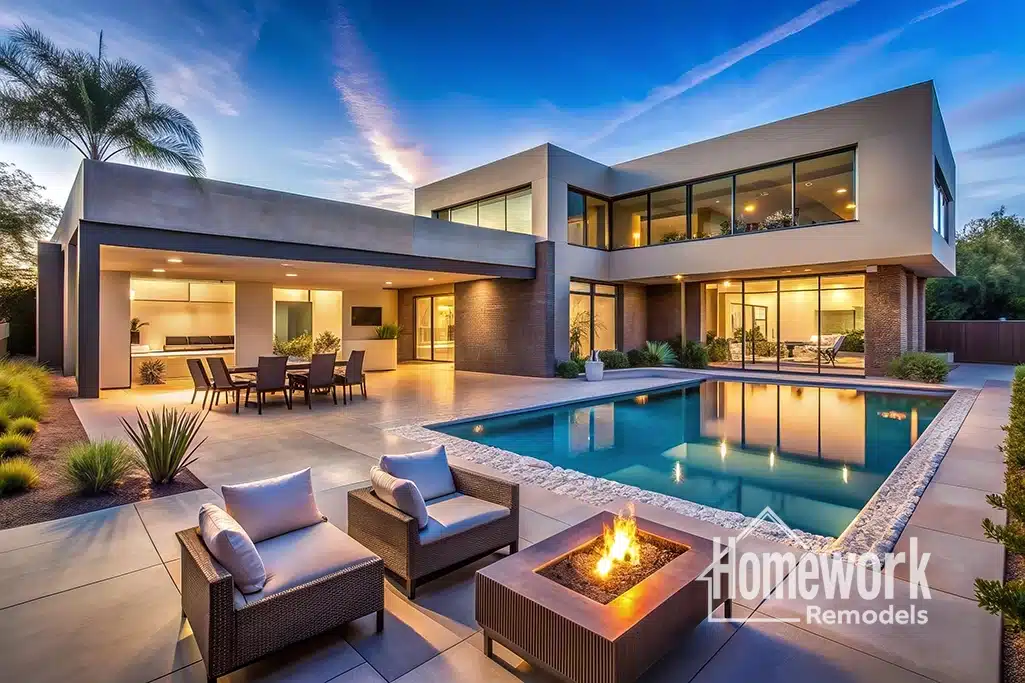
Backyard Living Trends for 2026 and Beyond
Introduction: Backyard Living as a Lifestyle Investment
Backyard living has evolved far beyond patios and pools. In Tempe, homeowners are increasingly viewing their backyards as long-term lifestyle investments—spaces that support daily living, family connections, and future flexibility. Rising home prices, multigenerational households, and remote work have all influenced how outdoor and secondary living spaces are designed. As we look toward 2026 and beyond, the most successful backyard projects are those that balance comfort, adaptability, and thoughtful planning, transforming underused space into meaningful extensions of the home.
Casitas and ADUs as Long-Term Living Solutions
Casitas and ADUs are no longer considered niche additions. They have become central components of forward-thinking backyard design. Homeowners are using these structures to support aging parents, adult children, long-term guests, or rental income opportunities. Unlike temporary solutions, well-designed casitas are planned as permanent living environments with full amenities and architectural cohesion. Their long-term value lies in flexibility—spaces that can change purpose over time without requiring major reconstruction. In Tempe, this adaptability is shaping how homeowners think about backyard development.
Flexible Outdoor Rooms and Multi-Use Spaces
One of the defining trends for backyard living is flexibility. Outdoor rooms are being designed to serve multiple functions throughout the day and year. A shaded patio may act as a morning workspace, an afternoon retreat, and an evening gathering space. Moveable walls, retractable shade systems, and modular furnishings allow homeowners to reconfigure spaces easily. Rather than single-purpose features, homeowners are prioritizing environments that adjust to changing needs, making every square foot more valuable and usable.
Privacy, Zoning, and Neighborhood Considerations
As backyard spaces become more functional, privacy and neighborhood compatibility are gaining importance. Thoughtful placement of casitas, walls, and landscaping helps maintain separation between primary residences and secondary structures. Zoning and setback requirements continue to influence what is possible, and future-focused homeowners are designing within those constraints rather than pushing against them. Projects that respect neighborhood character tend to age better and encounter fewer regulatory challenges, reinforcing the idea that smart planning is as important as aesthetics.
Technology and Comfort in Backyard Environments
Technology is playing a growing role in how backyard living spaces function. Smart lighting, climate controls, security systems, and audio integration are increasingly common in casitas and outdoor rooms. These features enhance comfort while allowing homeowners to manage spaces remotely. At the same time, comfort-driven design—such as improved shading, ventilation, and acoustic control—is ensuring that backyard environments are enjoyable rather than merely impressive. Technology is most effective when it supports comfort without becoming intrusive.
Sustainability and Energy-Conscious Design
Sustainability is moving from trend to expectation. Homeowners are prioritizing energy-efficient systems, durable materials, and water-conscious landscaping in backyard projects. Casitas designed with efficient envelopes, thoughtful orientation, and future solar readiness are better positioned for long-term performance. Outdoor living spaces that reduce heat gain and water usage align with both environmental responsibility and cost savings. As utility costs rise, these design decisions become practical necessities rather than optional upgrades.
How Design-Build Adapts Homes for the Future
A coordinated design-build remodeling process is especially well-suited to future-focused backyard projects. By integrating design, construction, and planning early, homeowners can evaluate how today’s decisions will perform years down the road. Design-build teams consider zoning, structure, aesthetics, and systems together, reducing the risk of short-sighted solutions. This holistic approach supports backyard environments that remain functional, adaptable, and valuable as lifestyles evolve.
Backyard Living and Casita Services in Tempe
Many homeowners combine multiple improvements to create cohesive backyard environments. Projects may include Tempe casitas & ADU additions designed for long-term use, paired with strategic Tempe home additions or integrated into broader Tempe home remodeling services. Coordinating these services ensures consistent quality, unified design language, and better overall performance across the property.
Conclusion: Designing for How We’ll Live Next
Backyard living trends for 2026 and beyond reflect a shift toward intentional, flexible design. Casitas, ADUs, and outdoor rooms are being planned as integral parts of daily life rather than occasional-use spaces. By prioritizing adaptability, comfort, and thoughtful integration, homeowners can create backyard environments that support changing needs while protecting long-term value. The future of backyard living is not about excess—it’s about purpose.
A Note for Homeowners…
Many of the questions raised in this article—around planning, cost, timing, and long-term outcomes—are part of a broader remodeling system that most homeowners aren’t shown upfront.
Our Core Guides were created to explain why remodeling often feels unpredictable and what actually brings clarity and stability before construction begins.
Let’s Plan a Backyard Space Built for the Future
Schedule your free consultation to design a backyard living space that supports how you’ll live in Tempe for years to come.