
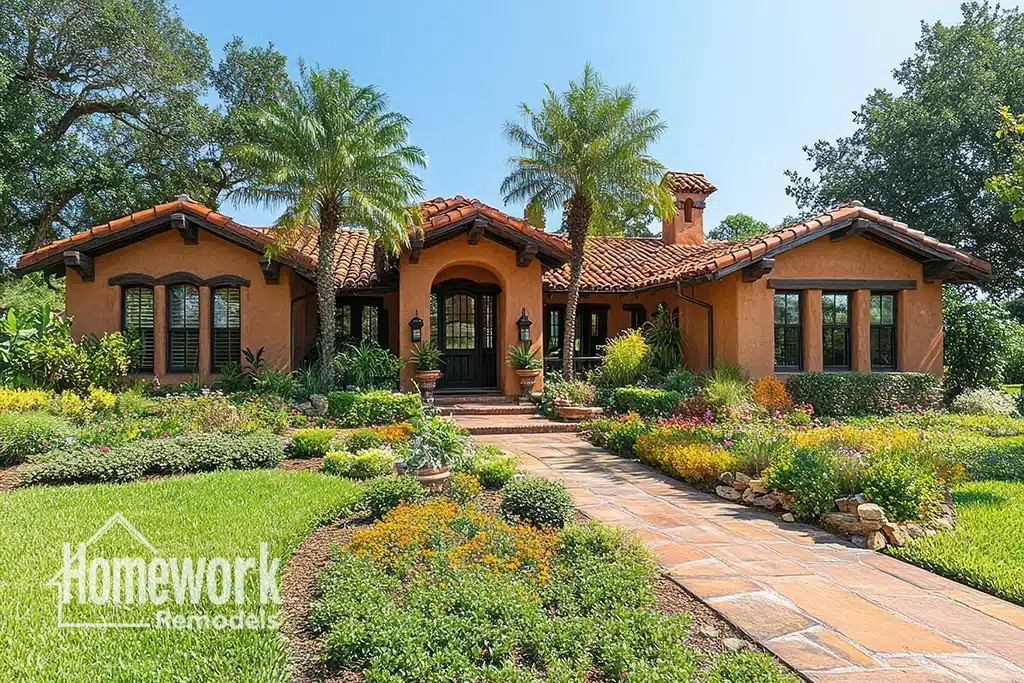
Modernizing 1970s and 1980s Tempe Homes
Homes built in the 1970s and 1980s make up a significant portion of Tempe’s residential neighborhoods. These houses were often well constructed, generously sized for their time, and thoughtfully oriented on their lots—but many no longer support how homeowners live today. In Tempe, modernizing these homes requires a careful balance between improvement and restraint.
The goal is not to erase the past. It’s to adapt solid homes to modern expectations for comfort, efficiency, and flexibility—without creating new problems in the process.
Why These Homes Feel Dated Today
Seventies and eighties homes reflect a very specific design mindset.
Common characteristics include:
- Segmented floor plans with limited sightlines
- Low or uneven ceiling heights
- Minimal connection to outdoor living areas
- Oversized formal rooms with limited daily use
- Mechanical systems sized for earlier efficiency standards
None of these features are inherently bad—but together, they can make homes feel inefficient or disconnected.
Modernization Is About Function First
Successful updates begin with function, not finishes.
Homeowners often assume modernization means:
- New cabinetry
- Contemporary surfaces
- Updated lighting
While these matter, the deeper improvements usually involve:
- Circulation
- Proportion
- Comfort
- Adaptability
Without addressing how the home works, cosmetic updates alone rarely deliver lasting satisfaction.
Layout Changes Deliver the Greatest Impact
Many 1970s and 1980s Tempe homes were designed with strict room separation.
Modernization often involves:
- Improving connection between kitchen, dining, and living areas
- Reclaiming underused formal spaces
- Clarifying entry sequences
These changes improve daily flow without requiring a complete architectural overhaul.
Structural Evaluation Comes Early
Layout changes frequently intersect with structure.
Walls that appear decorative may carry loads, especially in homes that predate widespread engineered trusses. Structural evaluation early in planning—sometimes alongside work like removing load-bearing walls safely in Tempe homes—prevents design ideas from outpacing reality.
Structure sets boundaries. Good design works within them.
Ceiling Strategies Matter More Than You Think
Ceiling height and articulation influence how modern a home feels.
Rather than raising ceilings everywhere, successful projects may:
- Remove dropped soffits strategically
- Align ceiling planes across spaces
- Introduce subtle changes in height
These moves improve openness without the cost or disruption of major roof changes.
Kitchens Often Need Repositioning, Not Just Updating
In many older Tempe homes, kitchens were isolated for efficiency—not connection.
Modernization may involve:
- Opening kitchens to adjacent spaces
- Improving island placement
- Redefining circulation paths
A kitchen that supports modern living patterns anchors the entire home.
Indoor-Outdoor Connection Is Often Underdeveloped
Homes from this era frequently underutilize outdoor potential.
Modernization often includes:
- Better access to patios or yards
- Repositioned openings aligned with living areas
- Shade strategies that improve usability
These upgrades increase livability without expanding square footage.
Mechanical Systems Should Be Part of the Plan
Older homes may have:
- Undersized HVAC systems
- Inefficient duct layouts
- Inconsistent comfort between rooms
Modernization is the ideal time to address these issues holistically—rather than patching them later.
Avoid Overcorrecting With Trends
One of the biggest risks in modernizing these homes is overcorrection.
Excessively trendy finishes, exaggerated minimalism, or aggressive demolition can make homes feel disconnected from their original scale and context. Timeless updates respect proportion and balance rather than chasing extremes.
Storage and Flexibility Are Often Missing
Homes from this era often lack storage aligned with modern needs.
Modernization may include:
- Built-in storage solutions
- Flexible rooms for work or guests
- Reclaimed space from oversized halls or closets
Flexibility is a modern requirement—not a luxury.
Neighborhood Context Still Matters
Modernization should respect surrounding homes.
In Tempe neighborhoods dominated by 1970s and 1980s construction, projects that feel cohesive tend to age better than those that ignore context. This is especially important for homeowners planning long-term occupancy.
Understanding how a project fits within the broader Tempe home remodeling landscape helps guide smart decisions.
Whole-Home Thinking Prevents Fragmentation
Modernizing one area often exposes weaknesses elsewhere.
Many homeowners achieve better results when modernization is approached through a coordinated whole-home remodeling strategy in Tempe. This ensures that layout, systems, and finishes evolve together.
Design-Build Supports Smarter Modernization
Modernizing older homes requires coordination.
The design-build remodeling process keeps design goals aligned with structural realities, budget planning, and construction sequencing—reducing rework and surprises.
Modernization Should Feel Natural
When done well, modernization doesn’t feel like a transformation—it feels like a correction.
The home becomes easier to live in. Spaces work together. Comfort improves. And the house feels prepared for decades of future use.
That’s the real goal of modernizing Tempe homes from this era.
Let’s Modernize Your Home With Purpose
If you’re considering updating a 1970s or 1980s home in Tempe and want a plan that improves function without unnecessary disruption, thoughtful planning makes all the difference. You can schedule a free consultation with our design-build team to explore options with clarity and confidence.