
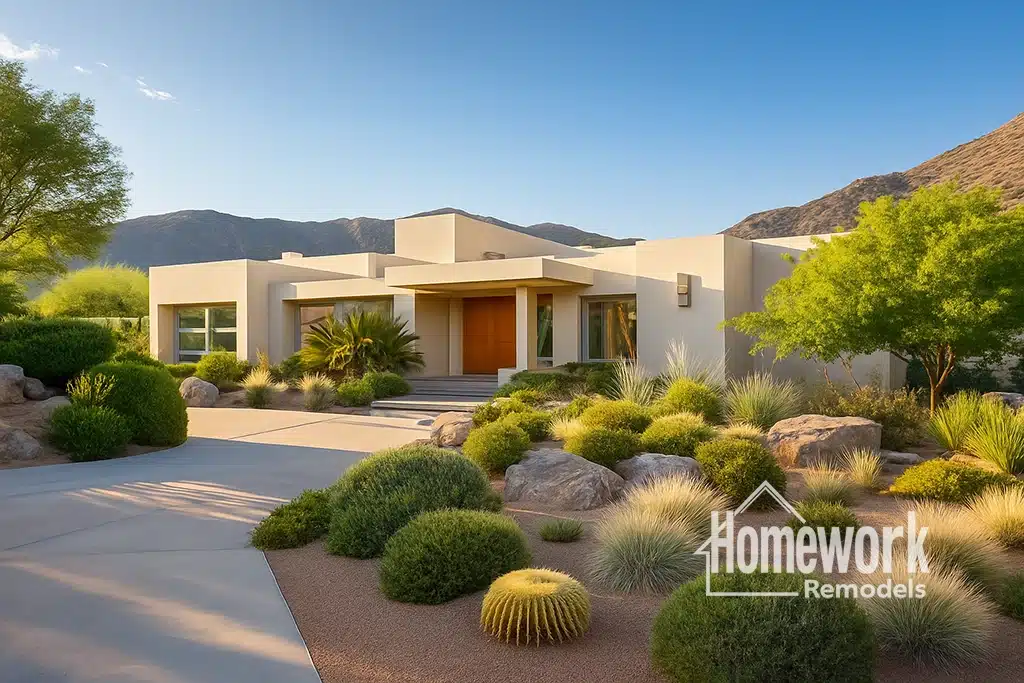
How to Blend Spanish and Modern Styles Beautifully
Spanish-style homes have long been part of the architectural fabric in Scottsdale. Their thick walls, courtyards, arches, and tile details reflect climate intelligence and a strong sense of place. At the same time, many homeowners are drawn to modern design for its clarity, openness, and restraint. Blending these two approaches can produce exceptional results—but only when done with intention.
The challenge is not stylistic compatibility. It’s execution. Spanish and modern design share more common ground than most people realize, yet poorly planned blends can feel disjointed or confused. Successful projects focus less on mixing features and more on aligning principles.
Why Spanish and Modern Are Naturally Compatible
At first glance, Spanish and modern styles may seem opposed—ornament versus simplicity, tradition versus innovation. In reality, both styles prioritize proportion, light control, and indoor-outdoor living.
Spanish architecture was never about excess. Its defining elements—thick walls, deep openings, shaded courtyards—were practical responses to climate. Modern design, at its best, follows the same logic with different tools.
When homeowners recognize this shared foundation, blending becomes more intuitive.
Start With Architectural Hierarchy
One of the most common mistakes in blending styles is giving equal weight to every feature. Successful homes establish a clear hierarchy.
Typically, one style leads while the other supports. For example:
- A Spanish exterior with modernized interiors
- A modern layout enriched with Spanish materials and forms
Clarity about which style sets the tone prevents visual competition.
Preserve Massing and Proportion
Spanish-style homes often rely on strong massing—thick walls, solid forms, and sheltered volumes. These qualities should be preserved even when interiors are modernized.
Removing walls indiscriminately can undermine the architectural logic of the home. Instead, openness should be selective and aligned with original proportions.
When structural changes are needed, early evaluation of options for removing load-bearing walls safely ensures openness enhances, rather than erases, architectural intent.
Modernize the Plan, Not the Soul
Blending styles works best when modernization focuses on function, not character.
Updating kitchens, improving circulation, and enhancing storage can dramatically improve livability without altering the home’s identity. Modern layouts bring clarity and efficiency, while Spanish elements provide warmth and depth.
This approach is often most effective within a coordinated whole-home remodeling in Scottsdale strategy, where changes reinforce one another.
Use Materials as the Bridge
Materials are one of the most powerful tools for blending styles. Spanish architecture favors tactile surfaces—stucco, tile, wood, and stone. Modern design values honesty and restraint.
By selecting materials that feel authentic but are used simply, homeowners create continuity. For example:
- Smooth plaster walls with clean detailing
- Natural stone used in restrained applications
- Wood beams simplified rather than ornate
Material authenticity does more work than decorative references.
Simplify Arches and Openings
Arches are a hallmark of Spanish design, but their treatment matters. Heavy ornamentation can feel dated, while overly sharp reinterpretations can feel forced.
Successful blends often simplify arches—maintaining their form while reducing detail. Clean edges, consistent proportions, and repetition create rhythm without excess.
These openings become architectural moments rather than stylistic statements.
Let Modern Design Clarify Interiors
Interiors are often where modern influence is most welcome. Clean-lined cabinetry, integrated storage, and simplified trim bring order to spaces that may have been visually busy.
Modern interiors allow Spanish architectural elements—beams, niches, textured walls—to stand out naturally. Contrast is created through restraint, not opposition.
The result feels intentional rather than eclectic.
Kitchens as the Testing Ground
Kitchens are often the proving ground for blending styles. Spanish homes may feature tile, arches, and enclosed layouts that no longer support modern use.
Successful kitchen updates often:
- Preserve or reinterpret Spanish details subtly
- Introduce modern layouts and workflow
- Use restrained color palettes and materials
The goal is a kitchen that feels current without feeling disconnected from the rest of the home.
Light Management Is the Unifying Factor
Both Spanish and modern design excel at managing light. Thick walls, deep openings, and shaded transitions soften daylight before it enters living spaces.
Modern glazing and lighting techniques can enhance this performance without overwhelming it. When light is filtered rather than flooded, spaces feel calm and balanced.
This shared approach to light is a key reason the styles blend so well.
Outdoor Spaces as Common Ground
Spanish architecture has always embraced courtyards and outdoor rooms. Modern design reinforces this by aligning indoor and outdoor spaces more seamlessly.
Covered patios, simplified courtyards, and strong visual connections extend living areas while respecting climate.
Outdoor spaces become shared territory where both styles meet naturally.
Avoiding Themed Results
The biggest risk in blending styles is creating a theme rather than a home. Overemphasizing decorative motifs—tiles, ironwork, or accent walls—can make spaces feel staged.
Successful blends feel lived-in and effortless. Spanish influence is sensed, not announced. Modern elements provide clarity, not contrast for its own sake.
Restraint preserves longevity.
Color Palettes That Support Integration
Color choices play a critical role. Warm neutrals, earth tones, and natural hues support both styles equally well.
High-contrast or novelty palettes can disrupt cohesion. Softer palettes allow materials and form to carry the design.
Color should support architecture, not compete with it.
Why Process Matters in Blended Design
Blending styles requires discipline. Without coordination, decisions can drift toward inconsistency.
A thoughtful design-build remodeling process helps align architecture, structure, materials, and finishes from the start. This coordination prevents last-minute compromises that dilute the vision.
Homes That Feel Grounded and Current
When Spanish and modern styles are blended successfully, the result feels both grounded and current. The home respects its origins while supporting contemporary life.
These homes don’t feel transitional—they feel resolved.
Blending styles beautifully is not about balance for its own sake. It’s about clarity, restraint, and respect for what already works.
Let’s Create a Cohesive Blend That Feels Like Home
If you’re considering updating a Spanish-style home and want to integrate modern living without losing character, early planning can clarify how the two styles can work together seamlessly. You can schedule a free consultation with our design-build team to explore options tailored to your home.