
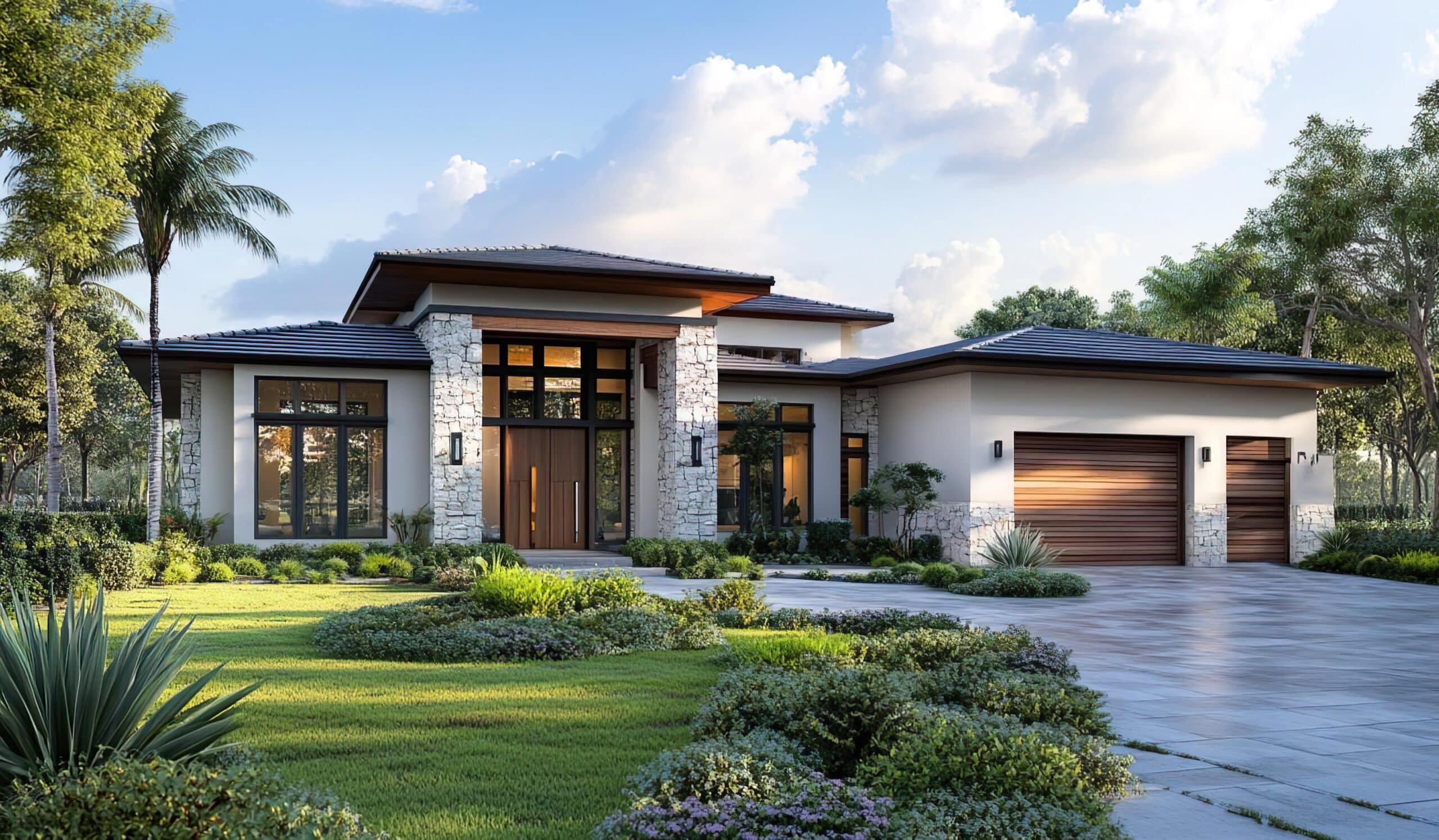
Broadmor Homes: Mid-Century Charm Meets Modern Comfort
Homes in Tempe’s Broadmor neighborhood have a quiet confidence about them. Built primarily in the post-war era, many of these homes reflect mid-century thinking at its most practical—single-story layouts, efficient footprints, strong indoor-outdoor connections, and simple structural logic. They weren’t designed to impress with ornamentation; they were designed to work.
That practicality is exactly why Broadmor homes are so appealing today—and also why remodeling them requires more care than many homeowners initially expect. These houses tend to look straightforward on the surface, but once planning begins, homeowners quickly discover a tension between preserving what makes the home feel “right” and upgrading it to meet modern expectations of comfort, performance, and flexibility.
The goal isn’t transformation for its own sake. In Broadmor, the most successful remodels feel almost inevitable—as though the house always wanted to become what it is now.
Why Broadmor Homes Feel Different to Remodel
Broadmor homes were built during a time when air conditioning was rare, kitchens were smaller, and storage needs were minimal. Ceiling heights were modest, rooflines were low, and slab-on-grade foundations were the norm. These choices made sense then—but they shape remodeling decisions now.
One of the first realities homeowners face is mechanical limitation. Original HVAC systems, electrical service, and plumbing layouts often struggle to support modern loads. Adding comfort isn’t just about finishes; it’s about infrastructure hidden inside walls and under slabs.
Another challenge is proportion. Mid-century homes rely on horizontal lines and visual calm. Overly aggressive changes—vaulted ceilings, oversized additions, or heavily layered finishes—can quickly disrupt the balance that gives these homes their character.
Finally, Broadmor homes often sit on lots that encourage outdoor living. Ignoring the relationship between interior spaces and patios, yards, or pools is a missed opportunity—and one that’s hard to correct later.
The Core Decision: Comfort Upgrades Without Overbuilding
Broadmor homeowners often come to planning conversations with a clear wish list: better temperature control, more natural light, improved kitchen functionality, and updated bathrooms. The tension lies in how to achieve those goals without forcing the home to become something it isn’t.
For example, adding square footage may seem like the obvious answer, but expansion isn’t always necessary—or wise. Rebalancing existing space, improving flow, and upgrading systems can dramatically improve livability without increasing the footprint.
Comfort in these homes is rarely about excess. It’s about consistency: even temperatures, intuitive circulation, and spaces that feel easy to use day after day. When remodels focus on these fundamentals, the mid-century charm remains intact rather than overshadowed.
Structural Simplicity Can Be Deceptive
Many Broadmor homes use straightforward framing, which can make wall removal appear simple. In reality, load paths often run exactly where homeowners want openness. Removing walls without a clear structural strategy can lead to dropped beams, awkward soffits, or ceiling interruptions that undermine the clean lines mid-century homes are known for.
Design-build planning helps here by coordinating structural solutions early, before layouts are locked in. The goal isn’t maximum openness—it’s appropriate openness that preserves ceiling planes and sightlines.
This is especially important in kitchens, where homeowners often want stronger connections to living and dining areas. Understanding how open-concept ideas translate specifically to mid-century homes is critical, and resources like Mid-Century Modern Remodeling in Tempe can help frame those decisions more clearly.
Kitchens That Respect Mid-Century Logic
Original Broadmor kitchens were designed for efficiency, not entertaining. They were often enclosed, compact, and separated from living areas. Today’s homeowners typically want better flow, more storage, and improved functionality—but without turning the kitchen into a visual focal point that overwhelms the home.
Successful kitchen remodels in Broadmor homes tend to emphasize horizontal cabinetry lines, restrained material palettes, and integrated storage. Instead of decorative excess, these kitchens rely on proportion and alignment to feel modern while still belonging to the house.
Appliance placement, lighting, and ventilation all require careful coordination, especially in homes where ceiling heights are limited. Thoughtful planning here prevents the kitchen from feeling oversized or out of scale.
Bathrooms, Privacy, and Quiet Luxury
Bathrooms in mid-century homes were rarely luxurious by today’s standards. Small footprints, limited storage, and basic fixtures were common. Remodeling offers an opportunity to improve comfort—but again, restraint matters.
Rather than spa-like excess, Broadmor bathroom remodels often succeed by focusing on usability: better lighting, improved ventilation, smarter layouts, and materials that feel calm rather than flashy. Quiet luxury aligns far better with mid-century sensibilities than bold statements.
Privacy is also a consideration. Original layouts sometimes place bathrooms in close proximity to public spaces. Subtle reconfigurations can dramatically improve daily comfort without altering the home’s overall structure.
Indoor-Outdoor Living Is Not an Afterthought
One of Broadmor’s greatest strengths is its relationship to the outdoors. Patios, yards, and pools are often integral to how these homes function—especially in Tempe’s climate.
Remodels that treat outdoor space as secondary often miss the mark. Aligning interior changes with exterior access points, sightlines, and shading strategies creates a more cohesive experience. This might mean rethinking door placement, adjusting window sizes, or improving transitions between inside and out.
Designing with climate in mind—shade, airflow, and seasonal use—adds comfort without adding complexity.
Long-Term Value Comes From Consistency
Broadmor homes hold their value best when remodels feel consistent with the neighborhood’s architectural language. Buyers are drawn to these homes because they don’t look like everything else in Tempe.
Projects that respect scale, proportion, and simplicity tend to age well. Those that chase trends often feel dated faster than the original house ever did.
For homeowners planning to stay long-term, this consistency translates into daily satisfaction. For those thinking ahead to resale, it protects desirability in a neighborhood that values authenticity.
Modern Comfort, Mid-CenturyIntegrity
Remodeling a Broadmor home isn’t about modernization at all costs. It’s about thoughtful evolution—improving comfort, performance, and usability while allowing the home’s original logic to remain visible.
For homeowners exploring what’s possible in this neighborhood, understanding how Broadmor fits into the larger picture of home remodeling in Tempe, AZ can provide valuable context. Neighborhood-aware planning leads to better decisions—and better outcomes.
Let’s Plan a Broadmor Remodel That Feels Right
If you’re considering remodeling a Broadmor home, the most important step is clarity. Understanding the home’s structure, limitations, and strengths before design begins allows you to invest where it matters most—and avoid changes that feel forced.
Sschedule a free remodeling consultation with our design-build team. We’ll help you evaluate possibilities, constraints, and next steps so you can move forward with clarity.