
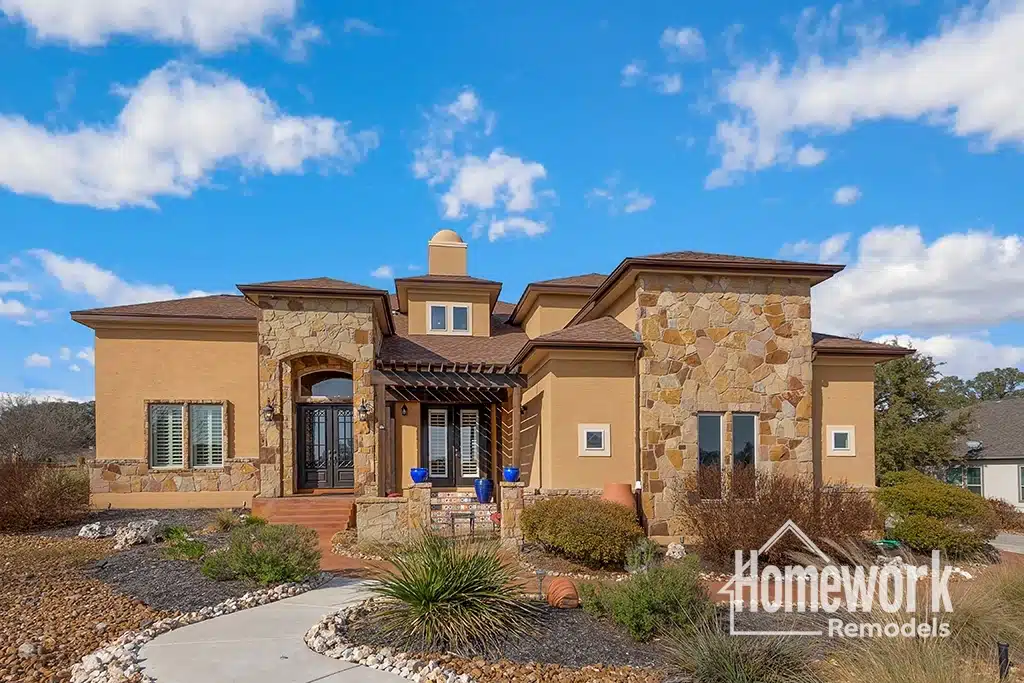
Material choices that perform well in mild climates can behave very differently in the desert. In Scottsdale, heat, intense sunlight, and dramatic temperature swings place constant stress on finishes—inside and out. Homeowners often discover too late that materials selected for appearance alone can fade, crack, warp, or become uncomfortable to live with.
Choosing materials that resist Arizona’s heat is less about finding “indestructible” options and more about understanding how materials respond to heat over time. When performance leads the decision-making process, materials tend to look better, feel better, and last longer.
Why Heat Changes Material Performance
Heat affects materials in subtle but cumulative ways. Expansion and contraction, UV exposure, and surface temperature all contribute to wear that may not appear immediately.
Common heat-related issues include:
- Fading and discoloration
- Cracking or separation at joints
- Surfaces becoming uncomfortably hot to touch
- Accelerated breakdown of finishes and sealers
In Scottsdale homes with large windows and open layouts, these effects are amplified.
Start With Sun Exposure, Not Style
Material performance is closely tied to where it is used.
South- and west-facing areas experience the most intense sun. Materials in these zones must tolerate higher surface temperatures and UV exposure.
Before selecting finishes, homeowners benefit from identifying:
- Areas of direct sunlight
- Duration of exposure
- Interior vs exterior transitions
Materials that work beautifully in shaded areas may fail in full sun.
Flooring Materials That Handle Heat Well
Flooring is often the first place heat-related discomfort is felt.
Materials that tend to perform well include:
- Porcelain tile with lighter tones
- Natural stone with honed finishes
- Engineered wood rated for dry climates
These options resist expansion and maintain dimensional stability. Dark, dense materials can absorb heat, becoming uncomfortable underfoot—especially near large glass openings.
Selecting flooring within a coordinated whole-home remodeling in Scottsdale plan allows transitions and sun exposure to be addressed holistically.
Countertops and Surface Temperatures
Countertops near windows or doors receive more heat than many homeowners expect.
Heat-resistant materials such as:
- Granite
- Porcelain slabs
- Certain quartz formulations
tend to perform better under direct sunlight. However, even durable materials benefit from thoughtful placement and shading.
Surface temperature comfort is as important as durability.
Cabinetry Finishes and Heat Exposure
Cabinet finishes can fade or discolor under prolonged sun exposure.
Painted cabinets in darker tones are particularly vulnerable. Wood species and stains also react differently to heat and UV.
Strategies that improve longevity include:
- UV-resistant finishes
- Lighter or mid-tone colors
- Strategic shading or window treatments
Cabinet performance is influenced as much by placement as by material choice.
Wall Finishes That Age Gracefully
Wall finishes in Scottsdale homes should tolerate heat without cracking or yellowing.
High-quality paints with UV resistance and breathable plasters perform better than lower-grade coatings. Highly glossy finishes can amplify glare and reveal imperfections under strong light.
Matte or eggshell finishes often feel calmer and age more evenly.
Exterior Materials Influence Interior Comfort
Exterior material choices affect how heat transfers into the home.
Roofing, cladding, and hardscape materials can either reflect or absorb heat, influencing interior temperatures.
Lighter exterior finishes, proper insulation, and ventilated assemblies reduce heat gain—supporting comfort inside without relying solely on mechanical systems.
Windows and Glazing as Material Decisions
Windows are materials too—and among the most impactful.
High-performance glazing with low solar heat gain coefficients reduces interior heat while preserving daylight. Window placement and size influence how interior materials perform.
Without proper glazing, even the best interior finishes can suffer.
Wood in the Desert: Choose Carefully
Wood brings warmth and character, but not all wood performs equally in desert climates.
Engineered wood products and stable species handle expansion better than solid boards. Proper acclimation and installation are critical.
Wood used thoughtfully—away from extreme exposure—ages beautifully even in Scottsdale homes.
Metals and Heat Response
Metal finishes respond to heat differently than many expect.
Some metals expand noticeably, while others retain heat. Finishes can patina or discolor under UV exposure.
Using metals in shaded areas or as accents rather than dominant surfaces often yields better long-term results.
Outdoor-Indoor Transitions Matter
Materials used where indoors meets outdoors experience the greatest stress.
Door thresholds, patios, and adjacent interior floors must handle temperature differentials and direct sun.
Planning these transitions carefully prevents cracking, warping, and discomfort.
Maintenance Expectations in Hot Climates
Heat accelerates wear. Materials that require frequent resealing or refinishing may become burdensome.
Low-maintenance materials often provide better long-term satisfaction—not because they are cheaper, but because they reduce ongoing effort.
Understanding maintenance realities is essential to material selection.
Avoiding Trend-Driven Mistakes
Some trends ignore climate realities. Highly polished surfaces, dark finishes, or exotic materials may look appealing initially but perform poorly over time.
Materials chosen for longevity tend to be:
- Neutral in tone
- Honest in composition
- Proven in similar climates
Trends fade; performance remains.
Coordinating Materials Across the Home
Materials rarely exist in isolation. Flooring, cabinetry, countertops, and walls interact visually and thermally.
Coordinating materials through a thoughtful design-build remodeling process ensures choices reinforce one another rather than compete.
This coordination reduces surprises and improves comfort.
Heat Resistance Is About Balance
No material is immune to heat. Success comes from balancing material properties, placement, and protection.
When these factors align, materials perform reliably—even in extreme conditions.
Homes That Stay Comfortable Over Time
The most comfortable Scottsdale homes are not those with the most exotic materials. They are the ones where finishes were selected with climate in mind.
Materials that resist heat quietly support daily living, reduce maintenance, and preserve visual calm.
That is design aligned with environment.
Let’s Choose Materials That Perform in the Desert
If you’re planning a remodel and want materials that stay comfortable and durable in Arizona’s heat, early planning makes all the difference. You can schedule a free consultation with our design-build team to discuss material options suited to your Scottsdale home.