
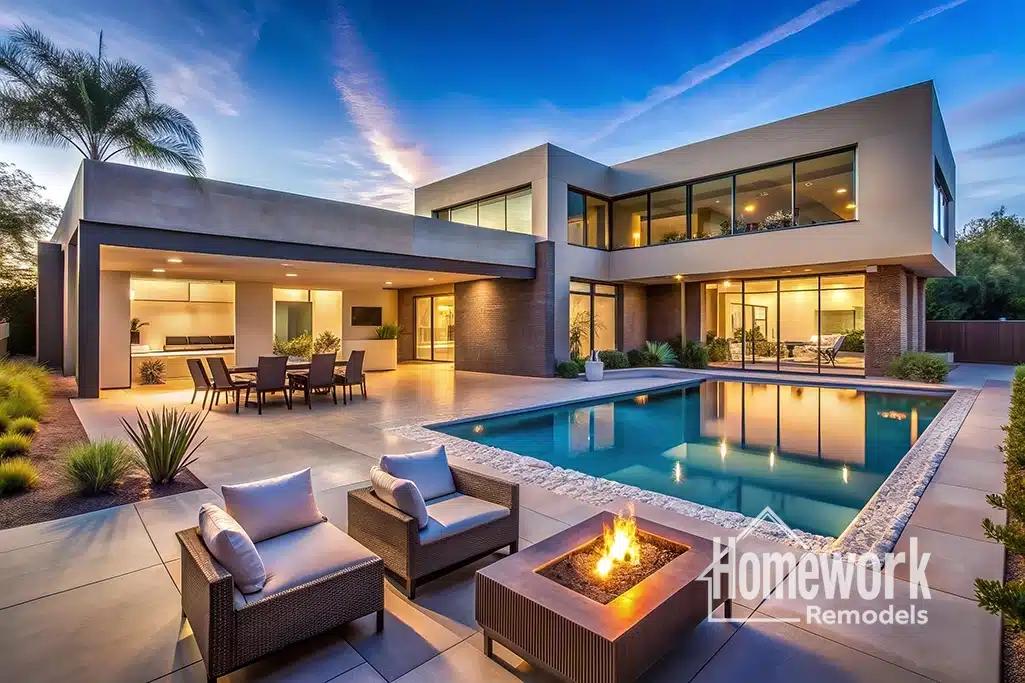
Design Details That Define Tempe’s Modern Style
Modern design in Tempe isn’t defined by a single look. It’s defined by a mindset—one shaped by climate, lifestyle, and the city’s layered architectural history. Homes here range from mid-century ranches to newer infill, yet the most successful modern remodels share a common thread: attention to detail over spectacle.
In Tempe, modern style emerges quietly. It’s revealed in alignment, proportion, material choice, and how spaces feel to live in day after day. Understanding which details matter—and why—helps homeowners make design decisions that remain relevant long after trends fade.
Modern Style Is Built From Small Decisions
Modern homes are often misunderstood as minimalist or stark. In reality, the difference between a home that feels thoughtfully modern and one that feels unfinished usually comes down to detail.
Subtle decisions—how a wall terminates, how cabinetry aligns with openings, how transitions are handled—shape the experience of the space. When these details are considered early, the home feels intentional. When they’re deferred, the result often feels fragmented.
In Tempe’s bright environment, these details are especially visible.
The Core Decision: Expression vs. Restraint
Homeowners planning modern updates frequently face a key tension: How much should the design express itself—and how much should it step back?
Bold features can be appealing, but in Tempe’s neighborhoods, restraint often creates stronger results. Overstatement can feel dated quickly, while carefully edited choices tend to age gracefully.
Modern style here is less about making a statement and more about creating clarity.
Clean Lines Depend on Precision
Modern design relies heavily on alignment. Misaligned openings, inconsistent ceiling planes, or uneven reveals are far more noticeable in modern spaces than in traditional ones.
Achieving clean lines isn’t just a design challenge—it’s a coordination challenge. Architecture, structure, and construction must work together. When planning is fragmented, modern details suffer.
This is why modern remodels benefit from an integrated design-build approach, where details are resolved before construction begins rather than improvised on site.
Material Simplicity Carries More Weight
Modern homes often use fewer materials—but each material carries more responsibility. In Tempe, materials must perform in heat, light, and daily use.
Natural finishes, matte surfaces, and materials with subtle variation tend to perform better than glossy or overly synthetic options. They handle light more gracefully and age with less visible wear.
When material palettes are limited but intentional, spaces feel calm rather than sparse.
Transitions Matter More Than Features
One of the defining characteristics of modern Tempe homes is how spaces connect. Transitions between rooms, between inside and outside, and between old and new areas often define success more than any individual feature.
Flush thresholds, aligned flooring, and consistent ceiling heights help spaces flow naturally. Poor transitions, even with high-end finishes, can disrupt the experience.
Modern design rewards continuity.
Kitchens and Baths Set the Tone
Kitchens and bathrooms often anchor modern remodels. In Tempe, successful modern kitchens tend to emphasize proportion, storage clarity, and lighting balance rather than visual drama.
Bathrooms follow a similar logic. Simplicity, warmth, and comfort matter more than ornamentation. Clean detailing paired with durable materials creates spaces that feel current without feeling cold.
For homeowners considering broader updates that include kitchens or baths, understanding how these spaces integrate into the whole is critical. Resources like Whole-Home Remodeling in Tempe provide helpful context for coordinating details across the home.
Light Reveals Everything
In Tempe, light is unforgiving. It highlights both strengths and weaknesses in design.
Modern homes benefit from thoughtful daylight control—softening glare, reducing harsh contrast, and allowing light to move through spaces evenly. Details like window placement, shading, and surface reflectivity all influence how modern a home feels.
When light is managed well, modern spaces feel comfortable rather than clinical.
Modern Doesn’t Mean Isolated From Context
One misconception about modern design is that it must stand apart from its surroundings. In Tempe, modern homes often feel most successful when they respond to neighborhood context rather than reject it.
This might mean respecting scale, echoing material tones, or aligning massing with adjacent homes. Modern design that acknowledges place tends to feel more grounded—and more valuable.
Longevity Comes From Thoughtful Editing
Modern style ages best when it’s edited carefully. Eliminating unnecessary elements, simplifying forms, and prioritizing function over decoration create homes that remain appealing as tastes evolve.
Homeowners who focus on how spaces feel—rather than how they photograph—often achieve better long-term satisfaction.
Modern living is as much about ease as it is about appearance.
Design Details Shape Daily Experience
In the end, design details aren’t about impressing visitors. They’re about how the home works every day—how it feels in the morning light, how it supports routines, how it adapts over time.
In Tempe, modern style is defined by these lived experiences more than by labels or trends.
For homeowners exploring modern updates, grounding decisions in the broader context of home remodeling in Tempe, AZ can help clarify priorities and avoid over-design.
Let’s Plan Your Remodel with Clarity
If you’re thinking about updating your home with a modern sensibility in Tempe, the most valuable first step is a clear, pressure-free conversation. Understanding your home, your neighborhood, and your long-term goals before design begins helps ensure details are resolved thoughtfully—not reactively.
If you’d like to explore your options, you can schedule a free remodeling consultation with our design-build team. We’ll help you evaluate possibilities, constraints, and next steps so you can move forward with clarity.