
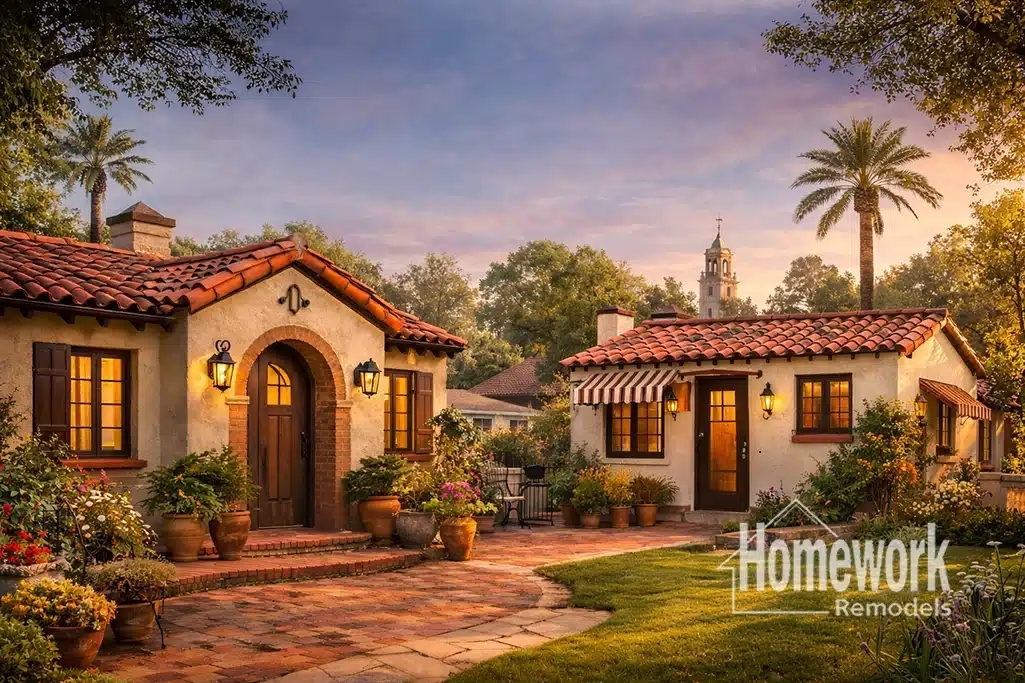
Home Additions in Willo Historic District: Expanding Homes Without Losing Character While Preserving Historic Architecture
The Willo Historic District is one of Phoenix’s most celebrated neighborhoods, known for its beautiful early 20th-century homes, tree-lined streets, and strong sense of community. Located just north of Downtown Phoenix near Encanto Park, the neighborhood features an impressive collection of historic architecture including Tudor Revival, Spanish Colonial Revival, Bungalow, and early Ranch homes. Residents are drawn to Willo not only for its architectural charm but also for the neighborhood’s walkability, community events, and proximity to the cultural heart of the city.
While these homes carry timeless character, many were built in an era when families lived differently than they do today. Kitchens were smaller, closets were limited, and living spaces were often more compartmentalized. As modern lifestyles evolve, many homeowners find themselves wanting more space without sacrificing the historic character that makes their homes special. For many residents, expanding the home they already love is the best solution.
Homeowners often begin exploring possibilities through home remodeling in the Willo Historic District, which can help reveal how an addition might integrate with the home’s existing structure. Because Willo homes contribute to a designated historic district, additions must be approached thoughtfully so they preserve the architectural integrity of the neighborhood.
When homeowners begin researching home additions in the Willo Historic District, the goal is typically to create additional living space while maintaining the historic appearance of the home. Successful additions in historic districts are often designed to remain visually secondary to the original structure. This usually means placing additions toward the rear of the home or designing them in ways that respect the scale, proportions, and materials of the existing architecture.
One of the most common reasons homeowners expand historic homes in Willo is to create larger kitchen and living areas. Many homes built in the 1920s and 1930s feature charming but compact kitchens that were designed for a different era. Expanding the rear portion of the home can create a more spacious kitchen that better supports modern cooking, entertaining, and family gatherings.
When homeowners pursue these improvements, they sometimes combine additions with thoughtful interior layout updates. Projects such as open-concept remodeling in Willo can improve flow between rooms while still preserving historic details like archways, hardwood floors, and decorative trim. Carefully planned wall removals can allow spaces to feel more connected without erasing the character that defines the home.
Another common reason for additions in Willo homes is creating a more comfortable primary suite. Many historic homes were originally built with modest bedrooms and limited closet space. Expanding the rear portion of the home can provide room for a larger bedroom, an updated bathroom, and improved storage. These additions are typically designed to complement the original architecture while remaining subtle from the street view.
Guest accommodations are also an important consideration for homeowners in historic neighborhoods. With Phoenix’s pleasant winter climate, many residents host visiting family and friends throughout the year. Some homeowners choose to add guest suites connected to the main home, while others explore flexible living options such as casita and ADU additions in Willo. These additions provide additional living space while maintaining the historic charm of the property.
While gaining additional square footage is often the goal, successful historic home additions require careful attention to architectural detail. Exterior materials, window styles, rooflines, and proportions must all align with the character of the original home. Many Willo homes feature distinctive elements such as stucco finishes, brick accents, decorative trim, and clay tile roofing. A thoughtfully designed addition respects these details so the new space feels like a natural continuation of the home.
Expanding a historic home also requires careful planning from a regulatory perspective. Historic districts often have design guidelines that help preserve the neighborhood’s architectural identity. Structural engineering, building codes, and permitting requirements must all be addressed before construction begins. Working through these considerations early in the design process helps ensure that the addition aligns with both city guidelines and preservation goals.
Because historic remodeling involves both architectural sensitivity and construction expertise, many homeowners prefer a design-build approach. In a design-build process, designers and builders collaborate from the earliest stages of planning. This integrated approach allows homeowners to explore creative solutions while maintaining a clear understanding of structural requirements, costs, and timelines. Homeowners interested in this process can learn more through design-build remodeling for historic homes.
In some situations, homeowners who begin planning a small addition later realize that a broader renovation may create a more cohesive result. Expanding one space often reveals opportunities to improve other areas of the home as well. Projects such as whole-home remodeling in Willo allow homeowners to thoughtfully update historic homes while preserving the character that makes them unique.
For residents of the Willo Historic District, expanding a home is not simply about adding square footage. It is about honoring the architectural heritage of the neighborhood while creating a home that supports modern living. When additions are designed with care and respect for historic architecture, they enhance the home without compromising the qualities that make Willo one of Phoenix’s most beloved neighborhoods.
If you would like to see how other homeowners have experienced their remodeling journey, you can read these client remodeling testimonials. When you are ready to explore ideas for expanding your Willo Historic District home, you can also schedule a consultation.