
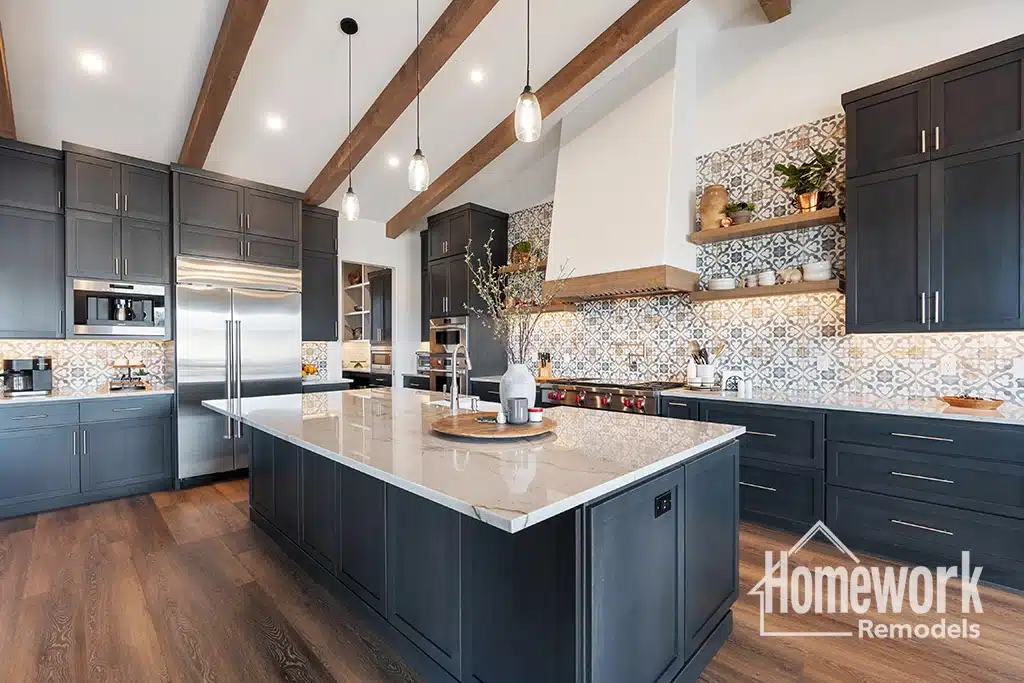
Kitchens are often redesigned with a visual goal in mind—an image, a style, or a finish palette. Yet many homeowners discover that even a stunning kitchen can feel awkward to use if function wasn’t the foundation. In Scottsdale, where kitchens serve as everyday workspaces and social hubs, the most successful designs are those that quietly support daily routines first—and express beauty through that support.
Blending function and beauty is not about compromise. It’s about sequencing decisions so aesthetics emerge from thoughtful planning rather than override it.
Why Kitchens Miss the Mark
Kitchens that look great but live poorly often share a common origin: visual decisions made too early.
When finishes, layouts, or statement elements are selected before workflow is resolved, problems appear:
- Islands that block circulation
- Storage that looks clean but lacks capacity
- Appliances placed for symmetry rather than use
These issues aren’t always obvious until the kitchen is in daily operation.
Start With How the Kitchen Is Used
Every kitchen serves a unique household. Before aesthetics enter the conversation, understanding behavior matters.
Key questions include:
- Who cooks most often—and how?
- Are meals quick or elaborate?
- Is the kitchen primarily for family, entertaining, or both?
Designs rooted in real use patterns feel intuitive. Beauty then becomes an enhancement rather than a distraction.
Workflow Is the Hidden Design Language
Good kitchens communicate through movement. Circulation paths, work zones, and sightlines shape the experience more than any finish.
Effective workflows:
- Minimize cross-traffic through prep areas
- Create logical sequences between storage, prep, and cooking
- Support multiple users without collision
When workflow is clear, the kitchen feels calm—even during busy moments.
Storage Shapes Visual Simplicity
Clutter undermines beauty. Kitchens that appear clean and composed typically succeed because storage was planned generously and intelligently.
Thoughtful storage includes:
- Cabinets sized for actual items
- Dedicated zones for frequently used tools
- Concealed storage that keeps counters clear
Visual simplicity is often the result of functional abundance.
Islands: Centerpieces That Must Work Hard
Kitchen islands are both functional hubs and visual anchors. When designed well, they support prep, seating, and gathering without dominating the space.
Common missteps include:
- Oversized islands that compress circulation
- Seating that conflicts with work zones
- Decorative overhangs that limit use
Right-sized islands feel generous without being intrusive.
Open Kitchens Require Visual Discipline
Open-concept kitchens expose design decisions from multiple angles. Visual noise—too many materials, colors, or focal points—becomes more apparent.
Restraint supports beauty. Limiting the number of finishes and repeating elements across spaces creates cohesion.
When openness requires structural changes, early coordination—especially when evaluating options for removing load-bearing walls safely—helps align layout and aesthetics rather than forcing compromises later.
Materials That Serve Both Roles
The best kitchen materials perform well and look appropriate over time.
In Scottsdale kitchens, materials should:
- Handle heat and light without degradation
- Feel comfortable to touch and use
- Age gracefully rather than demand replacement
Beauty that deteriorates quickly is rarely satisfying.
Lighting Reveals Design Quality
Lighting is often where function and beauty intersect most clearly.
Layered lighting supports tasks, establishes mood, and highlights design elements without glare. Poor lighting can make even the best materials look flat or harsh.
Designing lighting alongside layout ensures the kitchen feels balanced at all times of day.
Appliances as Tools, Not Statements
Appliances are essential, but they don’t need to dominate the design.
Integrated or panel-ready appliances often support visual calm. Performance matters more than prominence.
Choosing appliances for reliability and fit rather than novelty preserves both function and aesthetics.
Proportion Is More Important Than Style
Trends come and go, but proportion endures.
Cabinet heights, window placement, and island scale determine whether a kitchen feels comfortable. Kitchens that honor proportion feel right even as styles evolve.
This is why kitchens designed within a broader whole-home remodeling in Scottsdale context tend to age better—proportion is evaluated across spaces, not in isolation.
Color as a Supporting Element
Color influences mood, but it should support the kitchen’s function rather than overwhelm it.
Neutral foundations allow light to move naturally and provide flexibility. Color can then be layered through elements that are easier to change.
This approach preserves beauty without locking the kitchen into a moment in time.
Sightlines Shape Experience
What you see when entering the kitchen matters. Views to cluttered work zones or oversized features can disrupt the sense of calm.
Thoughtful planning uses sightlines to:
- Highlight architectural elements
- Conceal utilitarian areas
- Frame connections to adjacent spaces
Beauty often lies in what is not immediately visible.
Details That Support Daily Use
Small details—hardware placement, outlet locations, drawer depth—have outsized impact.
When these details are resolved early, the kitchen feels effortless to use. When overlooked, even beautiful kitchens feel frustrating.
Function lives in the details.
Avoiding Overdesign
Overdesign occurs when visual complexity exceeds functional need.
Too many textures, finishes, or focal points can make kitchens feel busy rather than refined. Simplicity allows quality to stand out.
Restraint is a design choice—not a limitation.
Process Determines Balance
Blending function and beauty requires decisions to be made in the right order.
A thoughtful design-build remodeling process helps ensure workflow, structure, systems, and aesthetics are aligned before construction begins.
When planning is disciplined, beauty emerges naturally.
Kitchens That Feel Right
The most satisfying kitchens rarely announce themselves. They feel intuitive, comfortable, and composed.
When function leads and beauty follows, kitchens support daily life quietly—and continue to feel right long after trends fade.
Let’s Design a Kitchen That Works as Beautifully as It Looks
If you’re planning a kitchen remodel and want a space that supports daily living without sacrificing visual appeal, early planning can clarify the right balance. You can schedule a free consultation with our design-build team to explore kitchen design strategies tailored to your Scottsdale home.