
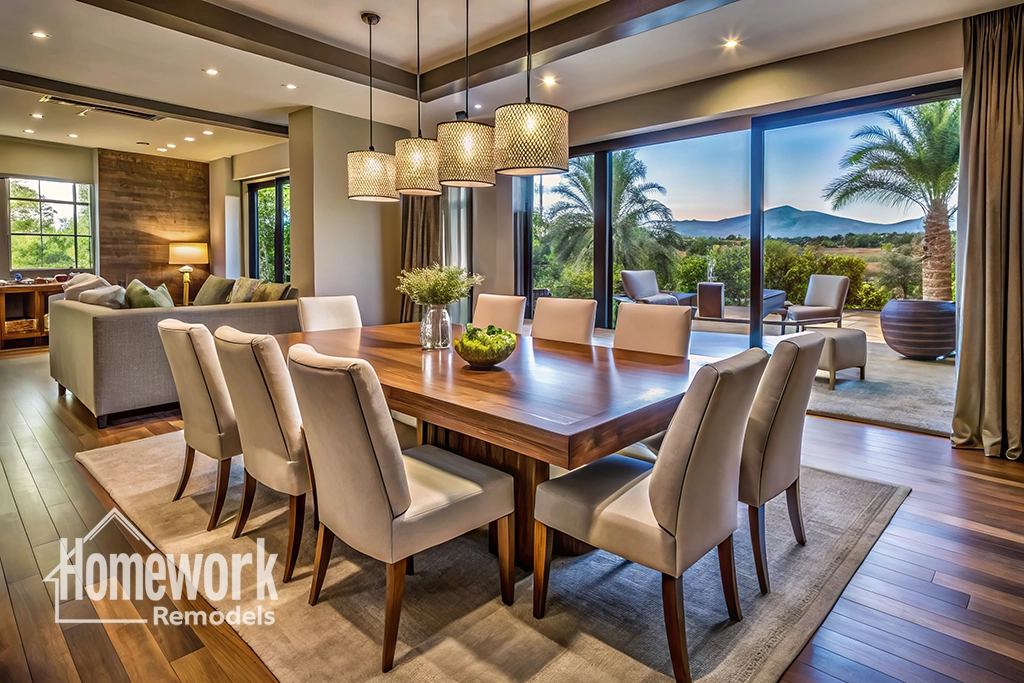
How to Design Around Arizona’s Natural Light
Natural light is one of Arizona’s greatest assets—and one of its most complex design challenges. In places like Scottsdale, sunlight is abundant, intense, and constant. Homes that fail to manage it can feel harsh, overheated, and visually fatiguing. Homes that design around light, rather than simply inviting more of it, feel calm, comfortable, and balanced throughout the day.
Designing with Arizona’s natural light requires intention. The goal is not brightness at all costs, but clarity without glare—spaces that feel open and energized without sacrificing comfort.
Why More Light Isn’t Always Better
It’s easy to assume that larger windows and open walls automatically improve a home. In Arizona, that assumption often backfires.
Uncontrolled sunlight can:
- Increase interior temperatures
- Create glare that strains the eyes
- Fade finishes and furnishings
- Reduce usability of rooms at certain times of day
Designing around natural light means shaping it—deciding where it enters, how it moves, and how it’s softened.
Understanding Sun Path Before Design Begins
Successful daylighting starts with orientation. The sun’s path across the sky determines how light behaves inside the home.
East-facing windows introduce bright morning light. West-facing openings bring intense afternoon sun. South-facing light is more predictable and easier to manage with shading. North-facing openings provide the most consistent, indirect light.
Design decisions that ignore orientation often require later fixes that feel like compromises.
Filtered Light Creates Comfort
Arizona architecture has long favored filtered light over direct exposure. Deep overhangs, recessed windows, and shaded courtyards soften daylight before it enters living spaces.
Modern designs continue this tradition by:
- Using roof overhangs and canopies
- Recessing glazing within wall planes
- Incorporating pergolas or screens
Filtered light feels gentle and usable throughout the day, supporting comfort rather than competing with it.
Window Placement Over Window Size
Where windows are placed matters more than how large they are. Strategic placement captures light while preserving privacy and thermal comfort.
High clerestory windows, for example, introduce daylight without glare or heat gain at eye level. Narrow vertical openings can frame views while limiting exposure.
Thoughtful placement often outperforms expansive glass walls in daily livability.
Balancing Openness With Control
Open-concept layouts amplify the impact of natural light. Without control, light can spill across the entire home, creating hot spots and glare.
Designing around light in open plans often involves:
- Layered shading strategies
- Partial walls or offsets to block direct sun
- Aligning openings with circulation paths
When structural changes are part of the plan, early evaluation of options for removing load-bearing walls safely ensures openness supports, rather than overwhelms, daylight strategy.
Materials That Respond Well to Light
Interior materials interact with light constantly. Highly reflective surfaces can intensify glare, while matte or textured materials diffuse it.
In Arizona homes, materials that perform well include:
- Honed or leathered stone
- Matte cabinetry finishes
- Textured plaster or drywall
These surfaces absorb and scatter light gently, improving comfort without darkening spaces.
Color Choices and Light Behavior
Color and light are inseparable. In intense daylight, high-contrast palettes can feel stark, while softer tones maintain balance.
Warm neutrals, mineral tones, and muted hues respond well to Arizona light. They reflect brightness without amplifying intensity.
Color selection should always be tested in actual light conditions—not just under showroom lighting.
Managing Heat Gain Without Losing Daylight
Energy performance and daylighting are closely linked. Poorly managed sunlight increases cooling loads and reduces comfort.
Effective strategies include:
- Low-E glazing tuned for solar control
- Exterior shading devices
- Insulated window assemblies
These measures allow daylight to enter while limiting heat gain, improving both comfort and efficiency.
Indoor-Outdoor Transitions That Moderate Light
Outdoor spaces play a critical role in daylight design. Covered patios, courtyards, and transitional zones act as buffers between full sun and interior spaces.
By passing through shaded outdoor areas, light is softened before entering the home. This approach supports indoor-outdoor living without sacrificing comfort.
It is most effective when planned as part of whole-home remodeling in Scottsdale, where exterior and interior strategies align.
Artificial Lighting Completes the Picture
Natural light changes throughout the day. Artificial lighting must complement it rather than compete.
Layered lighting—ambient, task, and accent—maintains balance as daylight fades. Warm color temperatures often work best alongside filtered daylight, preserving visual comfort.
Homes that rely solely on natural light during the day often feel unfinished once evening arrives.
Avoiding the “All Glass” Temptation
Large expanses of glass are visually compelling but can undermine comfort if used indiscriminately. In Arizona, glass must be intentional.
Successful designs limit glass to areas where views, orientation, and shading align. Elsewhere, solid walls provide relief and stability.
Restraint often delivers better results than excess.
Light as a Tool for Wayfinding
Light can guide movement through a home. Brightened circulation paths, illuminated transitions, and softly lit destination spaces create intuitive flow.
This subtle use of light improves usability without overt design gestures.
Longevity Comes From Balance
Homes that manage natural light well tend to age gracefully. Finishes last longer. Spaces remain usable throughout the day. Comfort is consistent.
Designing around Arizona’s light is not about controlling nature—it’s about cooperating with it.
Process Ensures Light Supports the Whole Home
Daylighting decisions affect layout, structure, materials, and systems. Coordinating these choices requires discipline.
A thoughtful design-build remodeling process helps ensure light strategies are integrated from the start rather than layered on later.
Homes That Feel Right All Day
The best-designed Arizona homes feel comfortable at breakfast, calm at noon, and inviting at sunset. That balance comes from shaping light, not chasing it.
When natural light is designed thoughtfully, homes feel open without strain—and livable without compromise.
Let’s Design Light That Supports Comfort
If you’re planning a remodel and want to harness Arizona’s natural light without glare or overheating, early planning can clarify how orientation, openings, and materials should work together. You can schedule a free consultation with our design-build team to explore daylight strategies tailored to your home.