
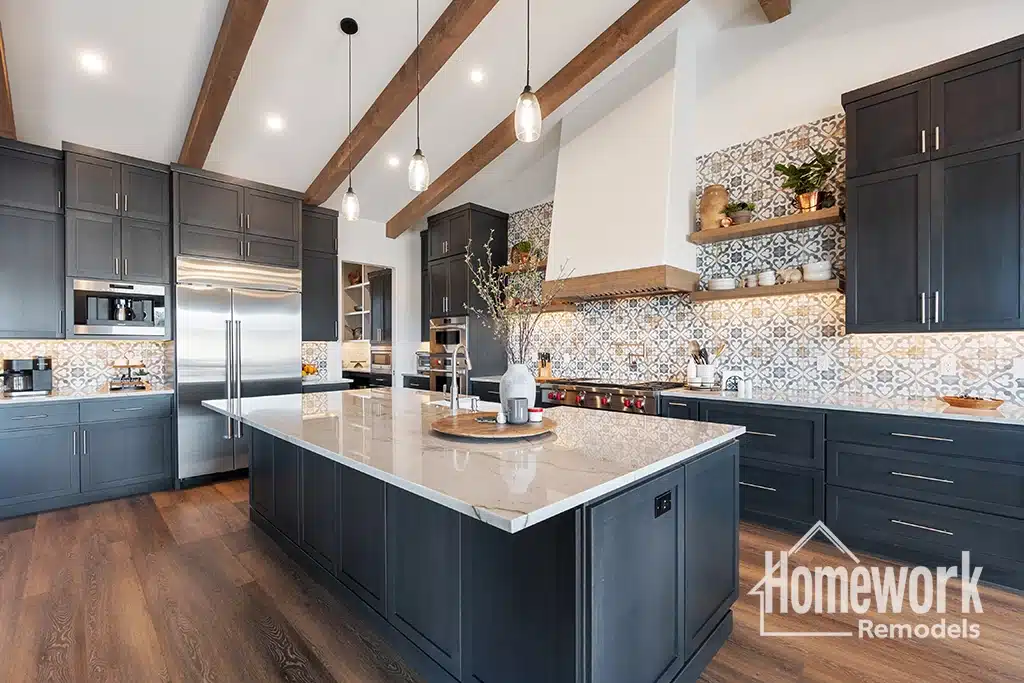
Selecting sustainable flooring and countertops is often where environmental goals meet daily reality. In Tempe, materials must do more than look good or carry eco credentials—they need to withstand heat, sun exposure, dust, and constant use without demanding frequent replacement.
True sustainability isn’t defined by a label alone. It’s defined by how materials perform over time, how often they need to be repaired or replaced, and how well they support the way homeowners actually live.
Sustainability Starts With Longevity
One of the most overlooked aspects of sustainable remodeling is lifespan. Materials that wear out quickly—even if responsibly sourced—create waste through repeated replacement.
In Tempe, sustainable flooring and countertops should:
- Maintain stability through temperature swings
- Resist UV fading and surface degradation
- Handle indoor–outdoor traffic patterns
- Require minimal chemical maintenance
Durability reduces environmental impact more effectively than short-lived “green” alternatives.
The Core Decision: Eco Credentials vs. Daily Performance
Homeowners frequently face a defining tension:
Should we prioritize materials with strong environmental messaging—or those proven to perform in desert conditions?
The most successful choices usually balance both. Performance-driven sustainability focuses on materials that age well, stay functional, and remain attractive without constant intervention.
Materials that quietly endure are often the most sustainable of all.
Flooring That Performs in Heat and Traffic
Floors take more abuse than almost any other surface. In Tempe homes, they must handle heat transfer, dust, pets, and frequent transitions to patios or backyards.
Flooring options that tend to perform well sustainably include:
- Engineered hardwoods designed for dimensional stability
- Concrete or terrazzo with durable finishes
- Porcelain tile with low water absorption
Materials that can’t tolerate expansion, contraction, or grit often show wear quickly—undermining sustainability goals.
Countertops Should Withstand Daily Stress
Countertops experience heat, moisture, and constant use. Sustainable countertop selection prioritizes resistance to:
- Heat from cookware
- UV exposure near windows
- Staining and surface wear
Materials that require frequent sealing, specialty cleaners, or cautious use may appear sustainable initially but often lead to higher long-term impact through maintenance and replacement.
Longevity supports both environmental responsibility and homeowner satisfaction.
Natural vs. Manufactured Materials
Natural materials appeal to many homeowners seeking sustainability, but they must be evaluated carefully in desert climates.
Manufactured surfaces can sometimes outperform natural ones by offering:
- Greater consistency
- Lower maintenance
- Improved resistance to heat and staining
Sustainability isn’t about natural vs. manufactured—it’s about lifecycle performance.
Indoor Air Quality Matters
Flooring adhesives, finishes, and countertop sealants directly affect indoor air quality. Low-VOC products are especially important in Tempe homes, where tighter building envelopes and long cooling seasons increase indoor time.
Healthy materials support:
- Better indoor air quality
- Reduced chemical exposure
- Faster post-remodel comfort
These benefits are immediate and lasting.
Maintenance Is Part of the Sustainability Equation
Materials that require frequent refinishing, resealing, or specialty products increase environmental impact over time.
Sustainable choices favor:
- Simple maintenance routines
- Readily available, non-toxic cleaners
- Surfaces that tolerate everyday use without special care
Low-maintenance materials tend to stay in service longer—which is inherently sustainable.
Matching Materials to Lifestyle
Sustainability also depends on fit. A material that performs well in one household may struggle in another.
Households with pets, children, frequent entertaining, or strong indoor–outdoor connections need surfaces that align with those realities. Choosing materials that match lifestyle reduces premature wear and replacement.
Good sustainability decisions are practical ones.
Coordinating Surfaces With the Whole Home
Flooring and countertops don’t exist in isolation. Their performance is influenced by layout, window placement, shading, and mechanical systems.
Surfaces that absorb or reflect heat can affect comfort. Material transitions affect durability. Coordinated planning helps ensure surface choices support overall performance rather than work against it.
For homeowners evaluating these decisions in context, aligning surface choices with the broader goals of home remodeling in Tempe, AZ helps ensure sustainable outcomes.
Avoiding Trend-Driven Choices
Some materials gain popularity quickly due to sustainability messaging, only to fall out of favor when real-world performance disappoints.
Long-term sustainability favors:
- Proven materials
- Documented performance history
- Adaptability over time
Trends fade. Durable materials endure.
Sustainable Surfaces Support Long-Term Value
Homes with well-chosen, durable surfaces tend to age gracefully. Buyers recognize quality materials that still perform years later—even if they can’t name the specific product.
Sustainable flooring and countertops contribute to comfort, resilience, and resale confidence.
Sustainability Is a Planning Decision
The most sustainable material choices are made early—when layout, systems, and lifestyle considerations are still flexible.
When surface selections are aligned with how the home is used, sustainability becomes a natural outcome rather than a forced one.
Let’s Plan Your Remodel with Clarity
If you’re considering sustainable flooring or countertop options for a Tempe remodel, the most valuable first step is a clear, pressure-free conversation. Understanding how materials perform in heat, sun, and daily life before design begins helps ensure sustainable choices truly last.
You can schedule a free remodeling consultation to discuss options, tradeoffs, and next steps—so decisions feel confident, not rushed.