
A Core Guide for Homeowners
Design-Build vs. Traditional Remodeling
Both an integrated design-build team and a separately engaged designer and contractor can produce excellent remodeling work. The practical difference is how design, construction input, pricing, and responsibility are organized.
Use this guide to compare the arrangements, understand your role, and ask how a particular team will manage your project.
See how our approach works in Design-Build Remodeling Explained.
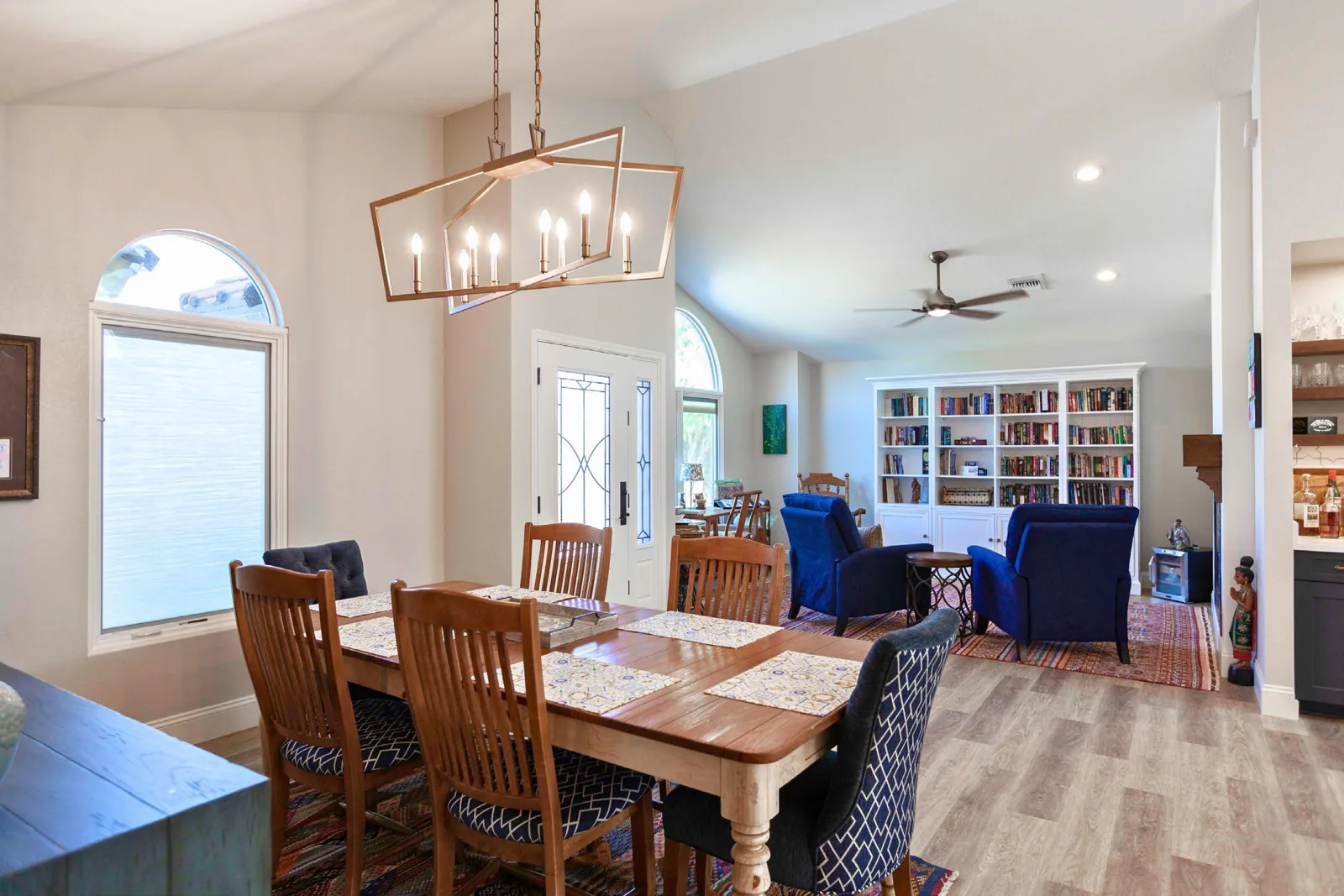
Look at the working relationship behind the label
In design-build, design development and construction are coordinated through an integrated delivery arrangement. The team may include outside architects, engineers, designers, and trade partners. Clarify who holds each responsibility and how those people work together; the label alone does not define the agreement.
In a separately contracted arrangement, the homeowner engages the designer or architect and the builder through distinct relationships. A contractor may join early to advise on cost and feasibility, or pricing may follow a more developed design. Neither arrangement removes the need for clear responsibilities and competent work.
Ask how the work is organized in your proposal
This comparison describes common patterns, not a guarantee of how every firm operates. Use it to prepare questions about the specific team and contracts you are considering.
| Question | Integrated design-build | Separate designer and contractor |
|---|---|---|
| Coordination | A lead team coordinates design and construction responsibilities. | The agreements establish how the designer and builder coordinate. |
| Construction input | Usually incorporated during design development. | Can be incorporated early if the builder is engaged for that work. |
| Pricing | Develops alongside scope and selections within the coordinated process. | May develop through early contractor input or later bidding. |
| Homeowner role | Reviews goals, options, selections, and approvals with the lead team. | Reviews the same decisions while managing separate professional relationships. |
| Quality and accountability | Depend on the people, scope, agreements, supervision, and execution. | Depend on the same factors; separate contracts do not preclude strong coordination. |
Find out when feasibility will be tested
An attractive design is not yet a buildable project within your resources. In either model, ask when the team will evaluate existing conditions, construction implications, and likely investment. Discuss what happens if the developing design exceeds the range you intended.
The remodeling costs guide explains why proposals need defined scope and assumptions. Compare how each team prices alternatives, updates estimates, and resolves questions between design and construction. A higher or lower total cannot by itself tell you which delivery arrangement is better for your home.
Ask who resolves the questions the drawings cannot answer
Existing homes can contain conditions that records or visual inspection do not fully reveal. Decide who arranges investigation, evaluates findings, obtains specialist input, and updates the design. During construction, questions need an agreed route to a decision rather than a series of disconnected conversations.
Our planning guide describes how those responsibilities fit into preparation. The same need applies to both delivery models. Early collaboration can reduce avoidable surprises, while concealed conditions, product changes, and execution problems still require clear documentation and competent response.
Choose the relationship you want to manage
Some homeowners value a single team coordinating the full project. Others already have an architect or designer whose work they want to develop, or prefer separate professional relationships. Consider how you want to review options, receive construction advice, compare pricing, and resolve disagreements.
Either way, you remain responsible for important approvals and preferences. Ask for a realistic explanation of your time commitment. A decision schedule, consolidated questions, and clear records help homeowners participate without having to become the project’s informal coordinator.
Review examples of the process, not only photographs
Completed rooms show design and craftsmanship, but they do not explain how a team planned, communicated, or handled changes. Ask to see an appropriate example of a scope, selection record, schedule, or update format, with client information removed. Request references relevant to your type of remodel.
Discuss who will lead the work and how design intent reaches the people building it. For whole-home remodeling, coordination across systems and occupied spaces can be especially important. Clear processes should support professional judgment and execution, not replace them.
- Identify the lead contact during design and during construction.
- Clarify design, engineering, purchasing, and permit responsibilities.
- Ask how disagreements or unexpected conditions are escalated.
- Review how price, scope, and schedule changes receive approval.
A coordinated path from planning to construction
Homework Remodels brings design development, selections, budgeting, trade input, and construction planning into a coordinated process. An initial conversation establishes goals and fit; a separate paid design and preconstruction phase develops the project for homeowner review before construction approval.
The design-build guide explains that approach in more detail. Your proposal should still define the services, deliverables, fees, and responsibilities for your particular project. Choosing a model is a starting point; choosing a capable team and a clear agreement remains essential.
Five questions when comparing delivery models
- Who is responsible for coordinating design, pricing, and construction?
- When will a builder evaluate the design’s feasibility and investment?
- How will our existing designer or architect participate, if we have one?
- What decisions and coordination responsibilities will remain with us?
- How are questions, disagreements, and changes resolved and recorded?
Choose the arrangement that fits your project and preferred working relationship, then evaluate the actual people and commitments behind it. A label cannot make that decision for you.
Plan Your Remodel with Homework
Find a working approach that fits your project.
Tell us where you are in planning, whether you already have drawings, and what you need from your remodeling team. We can discuss how our design-build process could support your goals.
Begin with a free initial conversation. Design and preconstruction services are a separate paid phase.