
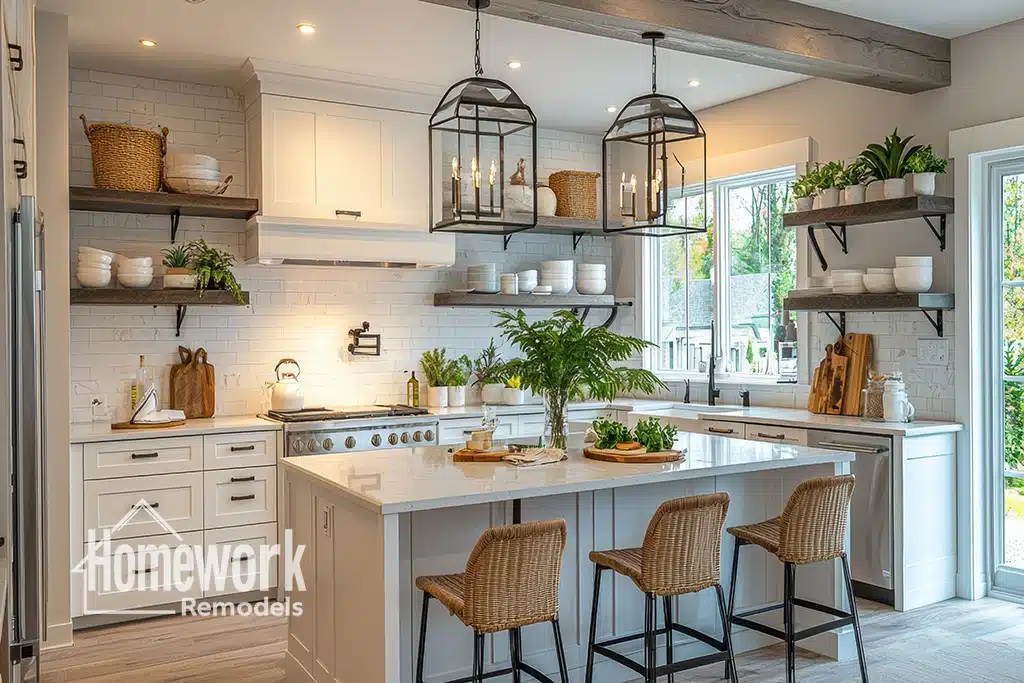
Kitchen Island Design Ideas for Tempe Homes
Kitchen islands tend to reveal problems long before they showcase style. In many Tempe homes, the island becomes the place where traffic bottlenecks form, where prep space runs short, or where seating never quite works the way it looked on paper. Homeowners often sense something isn’t right—but aren’t sure whether the issue is size, placement, or the island itself.
If you’re researching kitchen island design ideas for Tempe homes, the real opportunity isn’t choosing a shape or finish. It’s understanding how an island should function within your specific layout, lifestyle, and climate before design decisions are locked in.
Why islands matter more than ever in Tempe kitchens
Over time, kitchens have evolved from enclosed workspaces into social hubs. In Tempe, where entertaining often blends indoor and outdoor living, the island frequently serves as the transition point between cooking, gathering, and conversation.
Older homes weren’t designed for this role. Many original layouts placed islands—or peninsulas—where they interrupt circulation, block light, or compete with appliances. Newer homes sometimes overcorrect, installing oversized islands that dominate the room without adding real value.
A well-designed island isn’t about filling space. It’s about solving specific problems while supporting how the kitchen is actually used.
Common island challenges homeowners encounter
Before diving into solutions, it helps to recognize the most common island-related issues:
- Not enough clearance around the island for safe movement
- Seating that conflicts with prep zones or appliance doors
- Islands that lack meaningful storage or electrical access
- Oversized islands that limit flexibility rather than improve it
These problems often stem from focusing on appearance first, rather than flow and function.
From problem to solution to outcome
Consider a Tempe homeowner whose kitchen island feels constantly crowded. During meals, people gather at the island, but cooking becomes difficult. The problem isn’t the island itself—it’s that the island was positioned without accounting for prep zones and traffic patterns.
The solution may involve resizing the island, shifting its location, or redefining its role—perhaps prioritizing prep and storage over seating. When addressed intentionally, the outcome is a kitchen where movement feels natural, conversations happen comfortably, and tasks don’t compete with each other.
This kind of clarity rarely comes from selecting products alone. It comes from understanding how layout decisions ripple through daily use.
Choosing the right island function for your lifestyle
Every island should earn its place. In Tempe kitchens, the most effective islands are designed around one or two primary functions—not everything at once.
Some homeowners benefit most from expanded prep space with integrated storage. Others value seating that supports casual meals or homework time. In homes where entertaining is central, islands often serve as visual anchors that connect the kitchen to adjacent living areas.
Defining this role early prevents compromises later. It also influences decisions about electrical outlets, lighting placement, and material durability—details that are expensive to change once construction begins.
Size, clearance, and proportion matter
One of the most overlooked aspects of island design is clearance. A beautiful island that restricts movement quickly becomes a daily frustration. Proper spacing around the island supports safe appliance use, comfortable seating, and smooth circulation.
In Tempe homes, where kitchens often connect to patios or family rooms, maintaining visual and physical flow is especially important. Proportion—not maximum size—determines whether an island feels integrated or intrusive.
Materials that perform in real Tempe kitchens
Island materials experience more wear than almost any other surface in the home. Heat, sunlight, spills, and daily use all factor into material performance.
Design decisions should balance aesthetics with practicality. Durable countertop materials, easy-to-maintain finishes, and thoughtfully placed lighting all contribute to an island that looks good long after the novelty wears off.
Planning before design prevents regret
Island design is rarely successful when treated as a standalone decision. It’s deeply connected to cabinet layouts, appliance placement, and structural constraints. Many homeowners gain confidence by understanding how coordinated planning aligns design intent with construction realities.
Learning how experienced teams approach kitchen layout decisions as part of a broader remodeling plan can be helpful—especially when exploring options with a kitchen remodeling contractor near you in Tempe who understands local homes and construction standards.
Integrating the island into a cohesive kitchen plan
The best kitchen islands feel inevitable—as though they were always meant to be there. That sense of ease comes from treating the island as one element within a holistic layout, rather than a focal point added at the end.
In some Tempe homes, this may involve opening sightlines, adjusting wall placements, or rethinking how the kitchen connects to surrounding spaces. These broader considerations often determine whether an island enhances or limits the kitchen’s potential.
For homeowners exploring more extensive layout changes, reviewing how kitchens integrate into open-concept remodeling in Tempe can provide useful perspective.
Making decisions that hold up over time
Trends fade, but good layout endures. An island designed around clear priorities, realistic use patterns, and sound construction principles continues to serve homeowners well long after styles shift.
Local experience matters here. Tempe’s housing stock, climate, and lifestyle rhythms all influence what works best. Professional credentials and planning standards help ensure that design decisions are grounded in more than aesthetics alone.
A thoughtful next step
Kitchen island design works best when it’s part of a bigger picture—one that considers how your entire kitchen supports daily life. If you’re weighing options and want to understand what’s realistically possible for your home, exploring the broader context through the Tempe home remodeling hub can offer helpful insight.
When you’re ready to move from ideas to informed decisions, a calm conversation can clarify priorities and options. You can begin that process through a free remodeling consultation, designed to support thoughtful planning before commitments are made.