
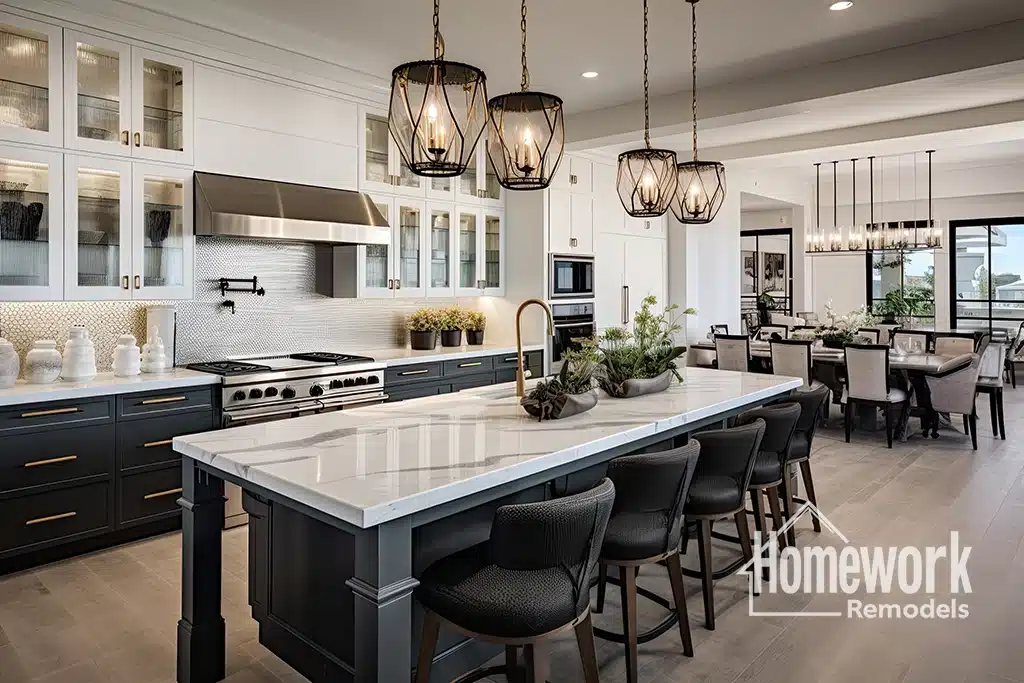
Aging-in-Place Kitchen Design Ideas for Long-Term Comfort in Tempe
Kitchens tend to reveal future needs quietly. A reach that feels a little longer than it used to. A narrow walkway that becomes frustrating when carrying groceries. Lighting that once felt adequate now creates shadows right where precision matters most. In many Tempe homes, these small signals add up, suggesting that the kitchen no longer supports daily life as comfortably as it should.
If you’re exploring aging-in-place kitchen design ideas in Tempe, the goal isn’t preparing for loss of independence. It’s about creating a kitchen that works better now and continues to work well as needs, routines, and priorities evolve.
Why aging-in-place planning makes sense for Tempe homeowners
Many Tempe homeowners choose to stay in their homes long term. Established neighborhoods, proximity to family, and a strong sense of place make moving less appealing than improving what already exists. The kitchen, as the most frequently used room in the home, plays a central role in whether staying feels sustainable and enjoyable.
Aging-in-place kitchen design focuses on reducing unnecessary strain, improving visibility, and simplifying movement. When these ideas are integrated thoughtfully, they enhance everyday comfort for all ages—not just later in life.
Subtle kitchen challenges that grow over time
Some kitchen frustrations aren’t obvious at first, but they intensify gradually:
- Storage that requires frequent reaching or bending
- Tight clearances that limit comfortable movement
- Insufficient or poorly placed lighting
- Hardware and appliances that require awkward grip or force
These issues don’t mean a kitchen was poorly designed originally. They reflect how lifestyles change and how homes need to adapt alongside the people living in them.
From problem to solution to outcome
A Tempe homeowner may begin to notice that cooking feels more tiring than it once did. The problem isn’t the activity itself—it’s a kitchen layout that demands extra effort with every task.
The solution might involve lowering select storage areas, shifting frequently used items into drawers, improving task lighting, or adjusting appliance placement to reduce bending and lifting. When these changes are planned intentionally, the outcome is a kitchen that feels calmer, safer, and easier to use—supporting independence rather than challenging it.
This type of planning benefits from professional guidance grounded in universal design principles. Many homeowners find clarity by learning how certified professionals approach long-term usability, such as those recognized through NARI-certified remodeling standards, which emphasize safety, function, and responsible planning.
Design features that support long-term comfort
Effective aging-in-place kitchens rely on a collection of small, deliberate choices rather than dramatic changes. Pull-out shelves reduce the need to reach deep into cabinets. Drawer-based storage brings items into view with less effort. Lever-style hardware simplifies grip and control.
In Tempe kitchens, lighting plays an especially important role. Bright natural light is common, but glare and shadow can create visual strain. Layered lighting—combining ambient, task, and accent sources—helps maintain comfort throughout the day.
Appliance placement that works with the body
Appliances should support natural movement. Wall ovens installed at comfortable heights reduce bending. Induction cooktops remain cool to the touch, adding an extra layer of safety. Refrigerators with easy-to-open doors and accessible shelving improve daily usability.
These features don’t limit design options. In fact, many modern appliances align naturally with aging-in-place goals while maintaining a clean, contemporary aesthetic.
Flooring, circulation, and safety considerations
Flooring choices matter more than many homeowners expect. Slip resistance, smooth transitions, and comfortable underfoot materials all contribute to long-term kitchen safety.
Circulation deserves equal attention. Wider walkways and clear paths between work zones improve comfort immediately while also accommodating future mobility needs. These adjustments enhance flow for everyone, not just those planning ahead.
Planning ahead without overbuilding
A common concern is doing too much too soon. Thoughtful aging-in-place design avoids extremes. The goal is flexibility—features that quietly support a wide range of users without drawing attention to themselves.
This balance is easiest to achieve when design and construction decisions are coordinated early. Homeowners often gain confidence by understanding how aging-in-place strategies fit naturally within a broader kitchen plan guided by experienced professionals. For those evaluating layout changes alongside long-term upgrades, speaking with a kitchen remodeling contractor near you in Tempe can help ensure solutions are practical and well-integrated.
Respecting the character of Tempe homes
Tempe’s housing stock spans multiple eras and styles. Aging-in-place kitchens should respect that character while improving function. Consistent proportions, restrained detailing, and thoughtful material choices help upgrades feel intentional rather than out of place.
Local experience matters here. Understanding how construction methods and layouts vary across Tempe neighborhoods ensures that design solutions remain appropriate as well as effective.
Seeing the kitchen as part of the whole home
Kitchen usability affects more than one room. Aging-in-place strategies often influence adjacent spaces, lighting plans, and circulation throughout the home. Taking a broader view can reveal opportunities to improve comfort beyond the kitchen itself.
Homeowners considering multiple improvements may find it helpful to explore how kitchen upgrades fit within overall planning through the Tempe home remodeling hub.
A calm, confident next step
Aging-in-place kitchen design is ultimately about preserving enjoyment and independence—not anticipating decline. When planned thoughtfully, these kitchens feel welcoming, efficient, and adaptable for everyone who uses them.
If you’re considering long-term kitchen improvements for your Tempe home and want clarity before making decisions, a relaxed planning conversation can help you understand options and priorities. You can begin that process through a free remodeling consultation, designed to support informed planning without pressure.