
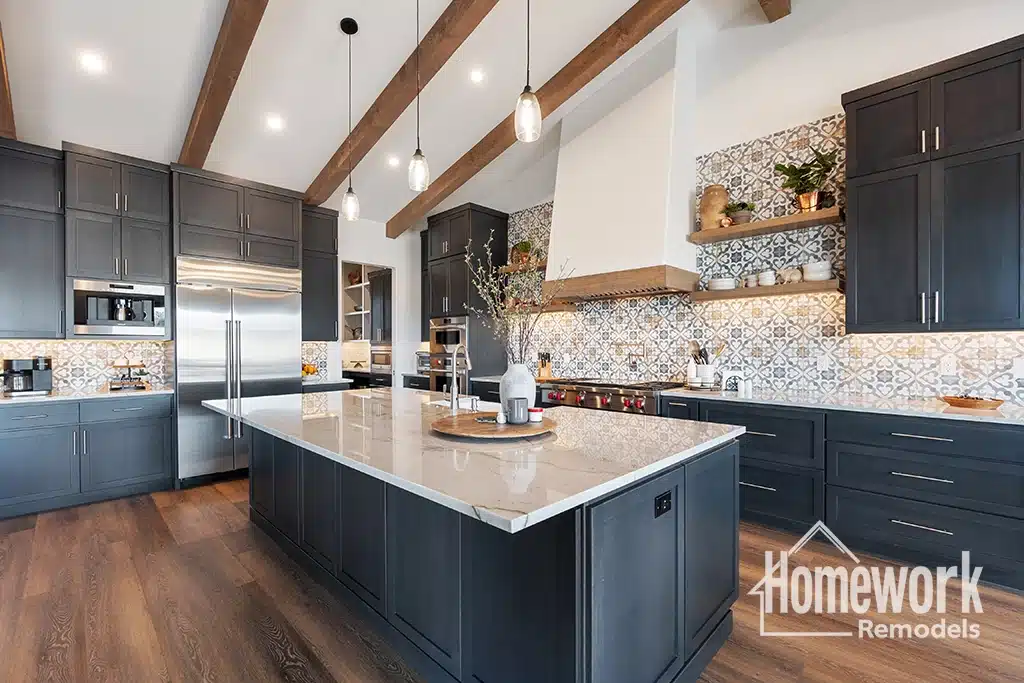
Kitchen Island Designs That Transform Scottsdale Homes
In many Scottsdale homes, the kitchen island has quietly become the most important feature in the room. It’s where meals come together, conversations linger, and daily routines overlap. Yet for all its importance, the island is often the least thoughtfully planned element in a kitchen remodel. Homeowners know they want one—but not always why, or how it should truly function.
When designed well, kitchen island designs that transform Scottsdale homes don’t just add counter space. They change how the entire kitchen works and feels. The difference lies in planning the island as a functional centerpiece, not an afterthought.
Why the kitchen island matters more than ever
As kitchens have evolved into shared living spaces, the island has taken on multiple roles. It may serve as a prep station, informal dining area, homework zone, or gathering place during entertaining. In Scottsdale, where open layouts and indoor-outdoor living are common, the island often becomes the visual and functional anchor of the kitchen.
The challenge is that not every kitchen benefits from the same island design. Size, orientation, circulation paths, and storage all influence whether an island enhances the space or creates obstacles. A successful island supports how the household actually uses the kitchen, not just how it looks in photos.
Start with function, not features
Many homeowners begin island planning by focusing on features: seating, appliances, or statement lighting. While those elements matter, the most important questions come first. How many people regularly use the kitchen at once? Is the island primarily for cooking, gathering, or both? How does traffic move through the space?
In Scottsdale homes, especially those built decades ago, kitchen layouts weren’t designed with islands in mind. Adding one without adjusting clearances or work zones can make the kitchen feel tight rather than open. Thoughtful planning ensures the island improves workflow instead of disrupting it.
A common island planning problem—and how it’s solved
A frequent scenario involves homeowners who want a large island with seating but struggle with cramped walkways and limited prep space. The problem isn’t the island itself—it’s proportion and placement.
The solution often involves resizing or reorienting the island, sometimes paired with removing or relocating surrounding elements to improve circulation. In one Scottsdale home, adjusting the island shape and aligning it with primary work zones transformed a crowded kitchen into one that felt balanced and intuitive. The outcome wasn’t just a better-looking island, but a kitchen that functioned smoothly during everyday use and entertaining alike.
This kind of problem–solution–outcome sequence highlights why many homeowners benefit from understanding how a design-build remodeling process allows island design, layout changes, and construction considerations to be addressed together.
Island size, scale, and proportion
Bigger isn’t always better. An oversized island can dominate the room and restrict movement, while one that’s too small may fail to provide meaningful function. Proper scale depends on the overall kitchen footprint and how the island interacts with surrounding cabinetry and appliances.
Clearances around the island are especially important. Adequate space allows multiple people to work comfortably and prevents bottlenecks during busy moments. In Scottsdale kitchens designed for entertaining, these details have an outsized impact on how welcoming the space feels.
Storage and seating that actually work
Well-designed islands often include a mix of storage types: drawers for prep tools, cabinets for larger items, and open areas for seating. The key is aligning storage with use. Items needed daily should be easily accessible, while less-used items can be stored elsewhere.
Seating deserves equal attention. Overhang depth, stool spacing, and legroom all influence comfort. When seating is planned thoughtfully, the island becomes a natural gathering place rather than an awkward perch.
Integrating the island into the larger kitchen design
An island should feel like part of the kitchen, not a standalone object. Its materials, proportions, and detailing should complement surrounding cabinetry and finishes while still allowing for visual interest.
Reviewing examples of Scottsdale kitchen remodeling projects can help homeowners see how island design fits into a cohesive kitchen plan rather than being treated as a separate decision.
Designing for how you live now—and later
Kitchen islands are long-term features. Planning with flexibility in mind helps ensure the design continues to work as needs evolve. That may mean accommodating aging-in-place considerations, future entertaining styles, or changes in household size.
In Scottsdale, where many homeowners plan to stay in their homes for years, this forward-looking approach adds both comfort and lasting value.
Moving forward with confidence
A kitchen island can either elevate a remodel or complicate it. The difference lies in thoughtful planning that considers layout, function, and real-life use before construction begins.
If you’re considering how an island might fit into your kitchen remodel, a calm planning conversation can help clarify options and avoid common pitfalls. Learning what to expect during your first remodeling consultation is often a helpful next step for homeowners who want to move forward with clarity rather than guesswork.