
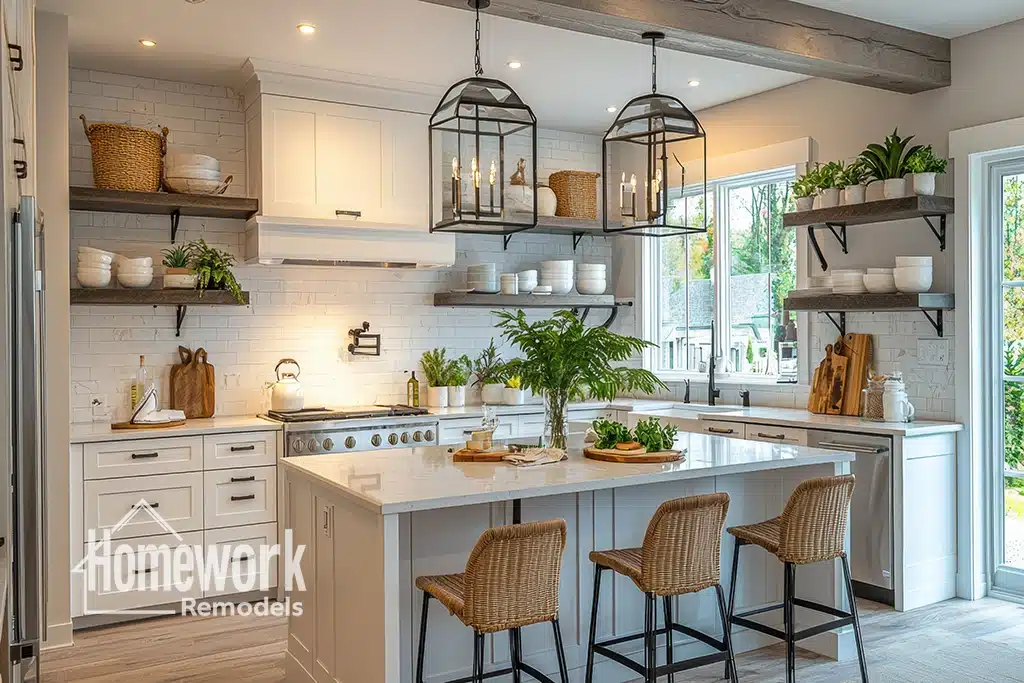
Lighting Ideas That Brighten Scottsdale Kitchens
Lighting has a powerful influence on how a kitchen feels, functions, and ages over time. In Scottsdale homes, where sunlight, heat, and architectural style all play a role, kitchen lighting requires more than selecting attractive fixtures. It requires planning.
Many homeowners start noticing lighting issues once other changes are made. New cabinets look darker than expected. Countertops feel shadowed. Even a beautifully remodeled kitchen can feel flat if lighting hasn’t been thoughtfully considered. Exploring lighting ideas that brighten Scottsdale kitchens begins with understanding how light works in desert homes—and how it should support everyday living.
Why lighting problems often go unnoticed until it’s too late
Kitchen lighting issues rarely announce themselves upfront. Instead, they surface gradually. Task areas feel dim. Evening cooking becomes frustrating. Natural light shifts throughout the day, leaving some areas overly bright and others in shadow.
In Scottsdale kitchens, abundant daylight can be misleading. Homeowners may assume that large windows will provide all the light they need, only to discover that once the sun sets—or shifts direction—the kitchen lacks balance. Without a layered lighting plan, even well-designed kitchens can feel uncomfortable at certain times of day.
The role of layered lighting in kitchen design
Effective kitchen lighting relies on layers. Ambient lighting provides overall illumination. Task lighting supports food preparation and cooking. Accent lighting highlights architectural features or adds warmth.
In desert homes, these layers must work together. Too much overhead lighting can create glare, while too little task lighting leads to shadows where precision is needed most. Planning these layers early ensures the kitchen remains functional from morning through evening.
A common lighting challenge—and how it’s resolved
A frequent scenario involves homeowners completing a kitchen remodel only to realize that the space feels darker than before. The problem often stems from removing walls or changing cabinet heights without adjusting the lighting plan.
The solution begins by reassessing how light enters and moves through the space. By adding under-cabinet lighting, adjusting fixture placement, and balancing ambient light levels, the kitchen regains brightness and clarity. The outcome is a space that feels open, usable, and comfortable throughout the day.
This kind of coordination is much easier when lighting is addressed during planning. Many homeowners find that a design-build remodeling process helps integrate lighting decisions with layout, cabinetry, and construction details before installation begins.
Task lighting where it matters most
Task lighting is often the most overlooked layer in kitchen design. Under-cabinet lights, properly positioned pendants, and focused lighting over prep zones reduce eye strain and improve safety.
In Scottsdale kitchens designed for entertaining, task lighting also helps maintain functionality without overpowering the atmosphere. When placed thoughtfully, it supports cooking while allowing the kitchen to transition smoothly into evening gatherings.
Balancing natural light and artificial light
Natural light is one of the greatest assets in Scottsdale homes, but it must be balanced carefully. Direct sunlight can create glare on countertops and reflective surfaces, while shaded areas may feel dim by comparison.
Window treatments, fixture placement, and light temperature all influence how natural and artificial light work together. The goal is consistency—lighting that feels comfortable regardless of time of day or season.
Choosing fixtures that complement the kitchen
Lighting fixtures contribute to the overall character of the kitchen. Pendants, recessed lights, and decorative fixtures should align with the home’s architectural style and the kitchen’s design language.
In Scottsdale homes, where styles range from mid-century modern to contemporary desert design, restraint often works better than excess. Fixtures that feel intentional rather than ornamental tend to age more gracefully.
Lighting and long-term flexibility
Kitchen lighting should support how the space may be used in the future. Dimmable controls, adaptable fixtures, and flexible layouts allow homeowners to adjust lighting as needs change.
This forward-thinking approach is especially valuable for homeowners planning to stay in their Scottsdale homes long-term. Lighting that adapts over time contributes to comfort and longevity rather than requiring frequent updates.
Seeing lighting as part of the whole remodel
Lighting decisions shouldn’t be isolated from the rest of the kitchen design. Cabinet depth, ceiling height, and appliance placement all affect how light behaves in the space.
Reviewing examples of Scottsdale kitchen remodeling projects can help homeowners understand how integrated lighting planning enhances both function and aesthetics.
Moving forward with clarity
Brightening a kitchen isn’t about adding more lights—it’s about adding the right light in the right places. Thoughtful planning reduces frustration, enhances daily routines, and ensures the kitchen feels inviting at all hours.
If you’re considering changes to your kitchen lighting as part of a remodel, learning what to expect during your first remodeling consultation can help you understand how lighting fits into a well-planned remodeling process.