
A Core Guide for Homeowners
How Remodeling Adds Long-Term Value Beyond Resale
Resale matters, but it is only one way to evaluate a remodel. The rooms you use every day also affect comfort, convenience, maintenance, and how well the house can support the years ahead.
This guide helps you compare those benefits without assuming that every improvement pays for itself or that an attractive finish solves an underlying problem.
Explore coordinated improvements in our Whole-Home Remodeling guide.
Decide what a worthwhile improvement means to you
A household planning to stay may value easier daily use differently from one preparing to sell. Discuss your expected time in the home, likely changes in the household, and the problems you want the investment to address. Those priorities should shape the options you compare.
Our whole-home remodeling guide considers how improvements relate across a property. Whether your scope is one room or several, define success in terms you can recognize after completion: easier movement, useful storage, more consistent comfort, or a room that supports an activity you care about.
Look for the workarounds you repeat every day
Notice the routines that require unnecessary effort. You may move small appliances repeatedly to find counter space, carry dishes through a tight doorway, or share a bathroom with nowhere to store everyday items. A layout change can be valuable because it removes a recurring inconvenience.
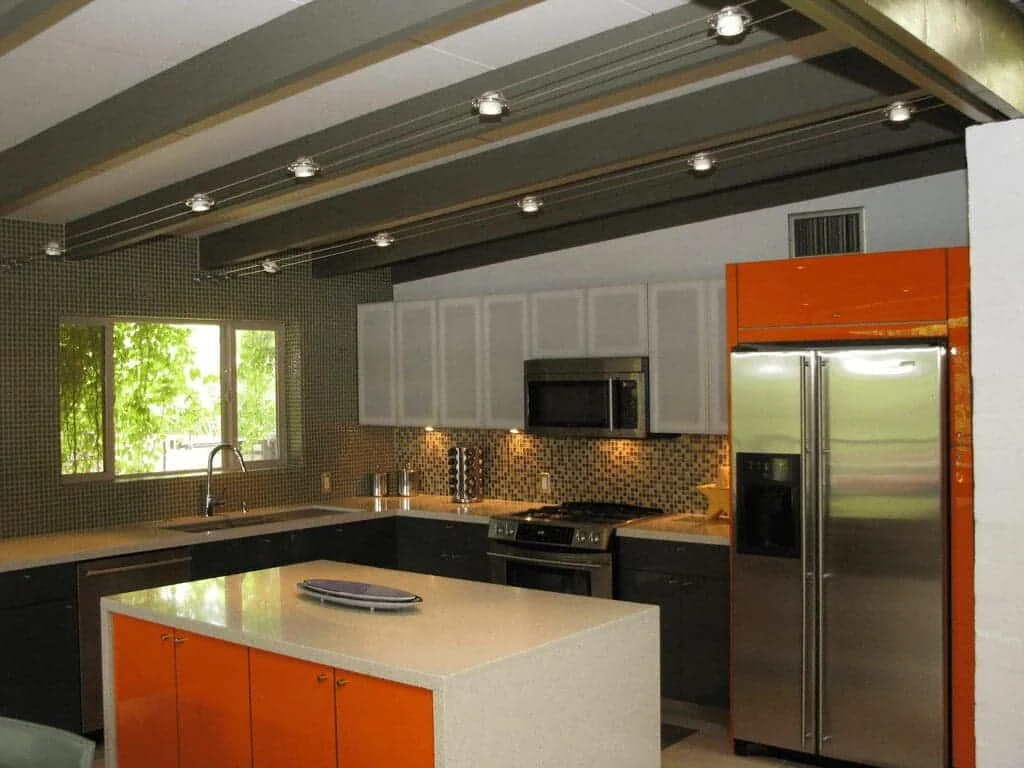
Compare the actual activities, not only the appearance of the proposed room. In a kitchen remodel, food preparation, serving, cleanup, and circulation may need different improvements. An impressive island is not automatically a better use of space than a carefully planned peninsula or retained arrangement.
Include what the finished photographs will not show
Structure, plumbing, electrical service, ventilation, and thermal comfort can affect the usefulness of the finished rooms. Ask which existing conditions need attention to support the proposed work and which improvements are optional. A new surface should not conceal a known problem that the scope ought to address.
Energy and comfort upgrades need project-specific evaluation. Do not assume a particular product will deliver a guaranteed saving. Discuss the existing problem, the proposed response, and how the team will assess the result. Maintenance and durability matter alongside the initial appearance.
Plan for change without trying to predict everything
A room that can accommodate different furniture or uses may remain useful as household needs change. Circulation, lighting, controls, and storage can also be considered with a broader range of users in mind. The goal is to preserve sensible options rather than add every conceivable feature.
The aging-in-place remodeling guide explores accessibility and long-term use. Some preparations are easier while walls or floors are open, but their value depends on location, design, and likely need. Discuss the reasoning and document concealed provisions so they remain useful later.
Evaluate the care the finished room will require
A material choice includes more than color and initial price. Consider cleaning, repairability, wear, moisture exposure, and whether replacement parts or matching materials are likely to be available. Ask for product-specific care information rather than relying on broad labels such as maintenance-free.
Durability also depends on preparation and installation. Waterproofing, support, transitions, and ventilation deserve attention where relevant. In a bathroom remodel, the surfaces you see and the assemblies behind them need to work together. A beautiful finish does not compensate for an unsuitable installation.
Let the improvement belong to its surroundings
A remodel can retain value for its occupants when it respects the qualities that drew them to the home. Proportions, light, views, and relationships between rooms may matter more than reproducing a particular period detail. Identify those qualities before choosing a new layout or material palette.
Our mid-century modern remodeling guide discusses that balance in homes with distinctive architecture. The same question applies elsewhere: does the change help the house work as a whole, or solve one room while creating an awkward connection to the next?
Separate expected use from uncertain financial return
Future market value depends on the property, location, market conditions, buyers, and the improvements themselves. Do not assume that construction cost will translate directly into a matching increase in sale price. If resale is a central goal, seek current local market advice relevant to the property and proposed scope.
Use the remodeling costs guide to evaluate the investment alongside your household priorities. Compare a smaller remodel, a phased approach, or another housing option when appropriate. You can value daily use while still being disciplined about how much you are prepared to invest.
Five questions for evaluating long-term value
- Which daily problems will this work solve, and how often do we encounter them?
- What existing conditions must be addressed for the improvement to perform well?
- How will the design support foreseeable changes in use?
- What care, maintenance, and eventual replacement will the selections require?
- How are we balancing personal benefit, investment, and any resale expectations?
A useful remodel earns its place through the way it serves the household. Clear priorities help you identify those benefits without relying on a promised financial return.
Plan Your Remodel with Homework
Plan for the way you want to live here.
Tell us what you value about your home and what no longer works well. We can help you consider improvements that support your daily life and longer-term plans.
Begin with a free initial conversation. Design and preconstruction services are a separate paid phase.