
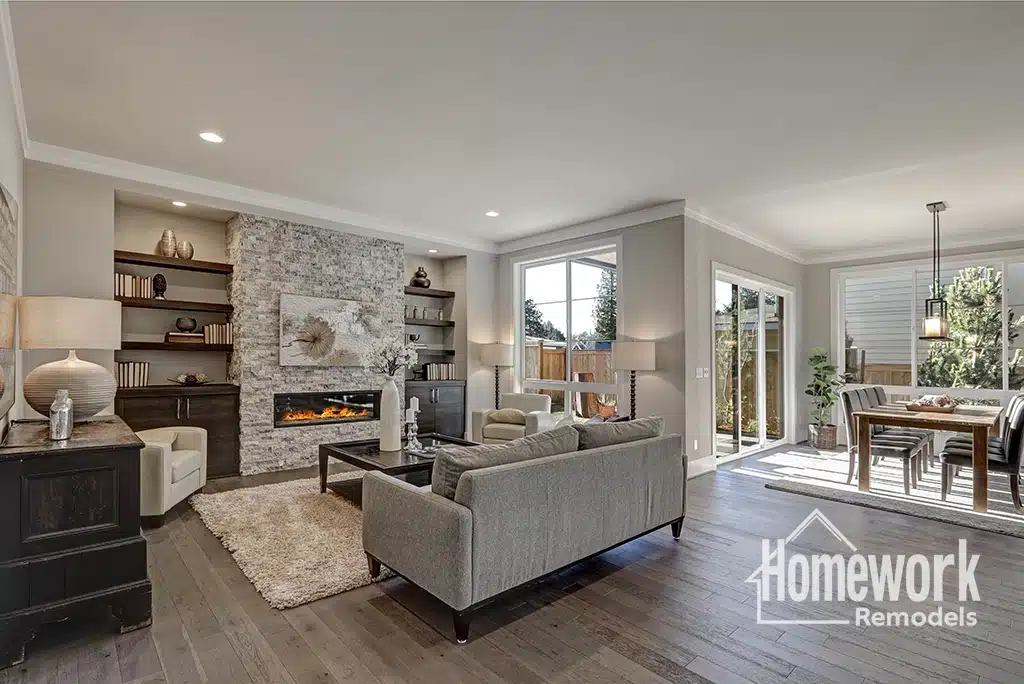
North Glendale Home Addition Costs: Planning Smart Expansions on Larger Lots
North Glendale offers something increasingly rare in the Phoenix metro area: space. Larger lots, generous setbacks, and a mix of mid-century and later homes give homeowners more physical flexibility when planning additions. That flexibility, however, can be misleading. Home addition costs in North Glendale are shaped less by available land and more by how thoughtfully expansion is planned.
Homeowners who assume that “more space equals simpler additions” are often surprised. While zoning and setbacks may be less restrictive than in historic or urban districts, infrastructure, structure, and architectural cohesion still play decisive roles in cost and outcome.
Why Larger Lots Don’t Automatically Mean Lower Costs
One of the first misconceptions about North Glendale home additions is that larger lots make projects easier and cheaper. In reality, larger footprints often increase scope.
Longer utility runs, expanded rooflines, and extended foundations all add cost. Connecting a new addition seamlessly to an existing home—both structurally and aesthetically—requires careful planning, especially when the original house was built decades earlier.
The key decision tension homeowners face is whether to prioritize square footage or prioritize integration. Bigger additions are not always better additions.
Infrastructure Is Often the Hidden Cost Driver
Many North Glendale homes were built during periods when electrical, plumbing, and HVAC systems were designed for smaller households and simpler living patterns. Adding square footage places new demands on those systems.
Electrical panels may need upgrading to support additional lighting, outlets, and appliances. HVAC systems may need to be reconfigured or expanded to maintain comfort across old and new spaces. Plumbing runs may need extension or replacement to meet current codes.
These upgrades are rarely visible, but they are essential. The decision tension is whether to invest in infrastructure proactively or risk performance issues later. Homeowners who plan infrastructure early tend to avoid costly mid-project surprises.
Structural Integration Matters More Than Footprint
Structurally, additions must work as part of a unified whole. Foundations, framing, and rooflines need to align not only for stability, but for longevity.
In many North Glendale homes, especially ranch-style properties, additions involve tying into existing slab foundations or modifying roof structures that were not designed for expansion. These conditions require engineering and careful execution.
Homeowners considering layout changes or structural modifications benefit from understanding what is involved in removing load-bearing walls in Phoenix homes as part of addition planning. Structural decisions made inside the home often affect how an addition connects outside.
Architectural Cohesion Protects Long-Term Value
One of the biggest risks in home additions is visual disconnect. An addition that looks like an afterthought can diminish both curb appeal and long-term value—even if it adds square footage.
North Glendale’s varied architecture makes cohesion especially important. Mid-century ranch homes, contemporary updates, and later suburban styles coexist throughout the area. Successful additions respect the home’s original proportions, materials, and rooflines while introducing modern functionality.
The decision tension here is speed versus cohesion. Rushed designs often result in mismatched forms that are expensive to correct later.
Interior Flow and Daily Use
Additions are not just about adding rooms—they are about improving how the home lives. Poorly planned additions can create awkward circulation paths or isolate new spaces from the rest of the home.
Whole-home planning ensures that new square footage supports daily routines. Primary suite additions, expanded kitchens, or family room expansions should enhance flow rather than complicate it.
Homeowners exploring larger transformations benefit from understanding how whole-home remodeling in Phoenix integrates additions into a cohesive plan.
Permitting, Setbacks, and Local Conditions
While North Glendale often offers more generous setbacks than other areas, permitting still plays a role in timeline and cost. Zoning, lot coverage limits, and utility easements can affect addition placement and size.
Early site evaluation helps identify constraints before design is finalized. This reduces redesign cycles and keeps budgets aligned with reality.
The decision tension is whether to push maximum allowable size or design within comfortable margins. Designing within margins often leads to smoother approvals and fewer delays.
Phased Additions vs. Single-Phase Construction
Some homeowners consider building additions in phases—adding space now and planning for future expansion later. This strategy can work, but only when guided by a long-term plan.
Without whole-home planning, phased additions can limit future options or require rework. With a clear roadmap, however, homeowners can expand intelligently over time.
Clarity upfront protects flexibility later.
Why Design-Build Improves Addition Outcomes
Home additions involve overlapping decisions—design, engineering, budgeting, and construction logistics. When these elements are handled separately, costs and timelines often drift.
A design-build approach aligns planning and execution from the beginning. This allows homeowners to understand tradeoffs early and make informed decisions before construction begins.
Learning how the design-build remodeling process works helps explain why it is particularly effective for addition projects.
The Core Decision Tension: More Space vs. Better Space
Every North Glendale addition project comes down to a central question. Is the goal to add more space, or to create better space?
Additions that focus on usability, integration, and long-term performance tend to deliver greater value than those that simply increase square footage. When decisions are guided by how the home will actually be used, costs become more predictable—and outcomes more satisfying.
A Note for Homeowners…
Many of the questions raised in this article—around planning, cost, timing, and long-term outcomes—are part of a broader remodeling system that most homeowners aren’t shown upfront.
Our Core Guides were created to explain why remodeling often feels unpredictable and what actually brings clarity and stability before construction begins.
Let’s Plan an Addition That Truly Fits Your Home and Lifestyle
If you are considering a home addition in North Glendale, thoughtful planning is the foundation of success. With experience in larger-lot properties and an integrated design-build approach, it is possible to expand your home in a way that feels intentional, cohesive, and lasting.
We invite you to schedule a free remodeling consultation to discuss your home, your goals, and the best path forward.