
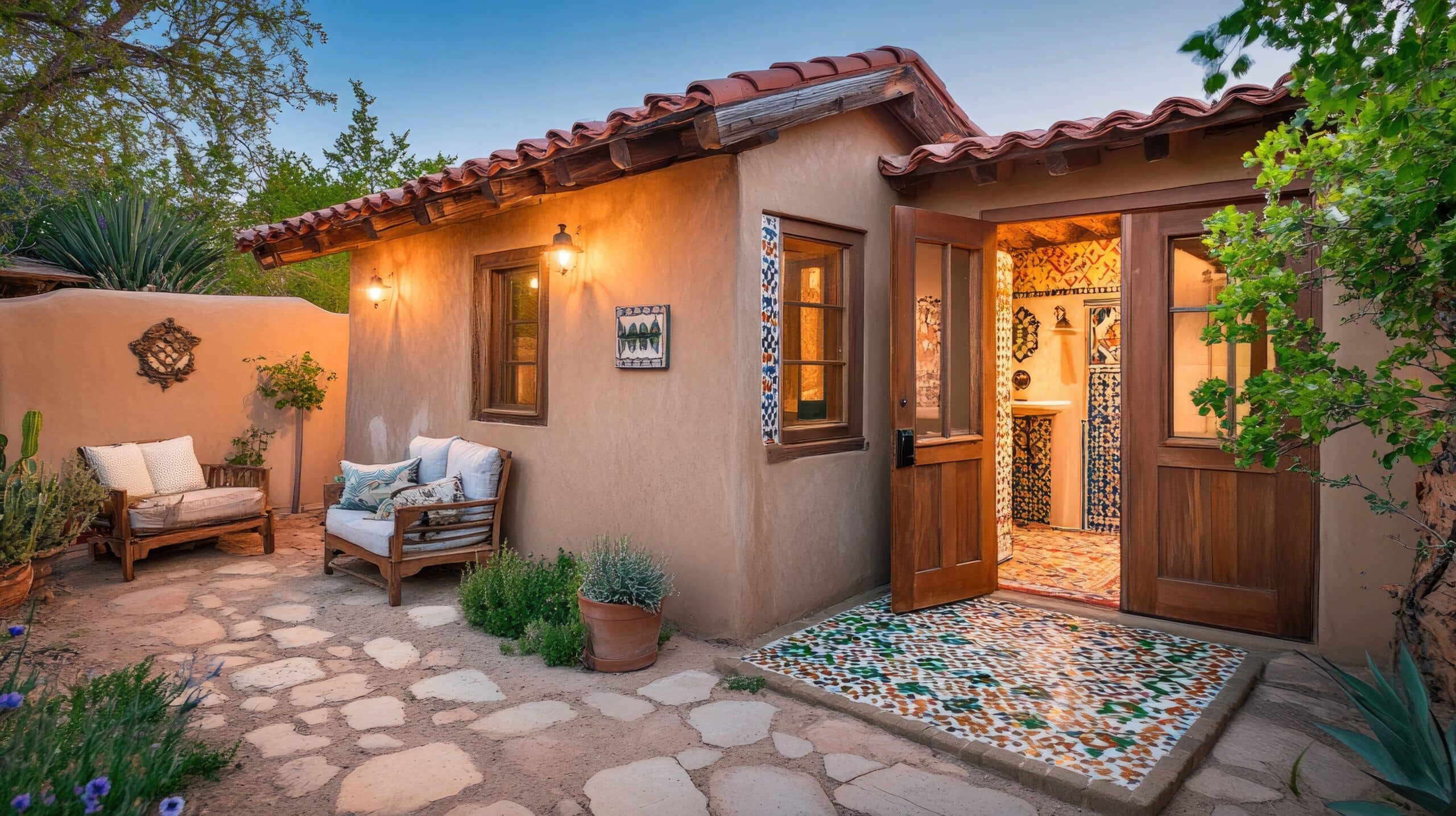
Top ADU Floor Plans for Backyard Living
Introduction: Why Floor Plan Choice Matters for Backyard Living
When planning an accessory dwelling unit (ADU) in Tempe, the floor plan matters as much as the structure itself. A well-chosen layout determines how comfortably the space lives, how easily it adapts over time, and how smoothly it fits within zoning and site constraints. Backyard living often requires thoughtful compromises—balancing privacy, daylight, circulation, and efficiency within a compact footprint. By selecting the right floor plan from the start, homeowners can create a space that feels intentional and livable rather than cramped or limited.
How Backyard Conditions Shape ADU Floor Plan Design
Every backyard presents unique conditions that influence floor plan decisions. Lot size, shape, setbacks, and existing landscaping all play a role in what layouts are feasible. Orientation affects natural light and heat gain, while access points influence circulation and privacy. In Tempe, where lots can be compact, efficient planning becomes essential. Floor plans that work well on paper must also respond to real-world constraints, ensuring that the ADU integrates seamlessly with the main home and outdoor spaces without overwhelming the property.
Studio ADU Floor Plans: Efficient and Flexible
Studio ADU floor plans are among the most popular options for backyard living due to their efficiency and adaptability. By combining living, sleeping, and dining functions into one open space, studios maximize usable square footage while minimizing construction complexity. Thoughtful zoning within the room—using furniture placement, ceiling changes, or partial partitions—creates a sense of separation without walls. Studio layouts are ideal for guests, home offices, or short-term stays and can easily evolve as needs change.
One-Bedroom ADU Floor Plans for Long-Term Comfort
One-bedroom ADU floor plans offer greater privacy and comfort for longer-term occupancy. Separating the bedroom from living areas improves acoustics and daily functionality, making these layouts suitable for adult children, aging parents, or extended stays. Kitchens and bathrooms are typically full-sized, supporting independent living. In backyard settings, one-bedroom plans strike a balance between livability and footprint, providing comfort without exceeding zoning limits. These layouts are often favored when long-term flexibility is a priority.
Two-Bedroom ADU Layouts for Shared or Family Use
For homeowners seeking maximum versatility, two-bedroom ADU layouts support shared living arrangements or family use. These plans accommodate multiple occupants while maintaining privacy through thoughtful bedroom placement and shared common areas. While larger, two-bedroom layouts require careful planning to meet size and setback requirements. When designed well, they provide exceptional flexibility—serving as guest accommodations, family housing, or future downsizing options. These layouts benefit most from early zoning and site evaluation.
Accessibility and Aging-in-Place Floor Plan Considerations
Many homeowners view ADUs as long-term investments, planning for aging-in-place or future mobility needs. Floor plans that prioritize accessibility include wider doorways, step-free entries, and bathrooms designed for ease of use. Single-level layouts with clear circulation paths reduce barriers and improve comfort over time. By incorporating universal design principles early, homeowners ensure that their ADU remains functional and welcoming as needs evolve, without requiring costly modifications later.
How Design-Build Improves ADU Floor Plan Outcomes
Choosing the right floor plan involves balancing design goals with zoning, budget, and construction realities. A unified design-build remodeling process brings these considerations together from the outset. Design-build teams evaluate site constraints, regulatory requirements, and lifestyle goals simultaneously, refining floor plans before construction begins. This integrated approach reduces revisions, aligns expectations, and ensures that the selected layout is both buildable and livable.
ADU, Casita, and Guest House Services in Tempe
Homeowners exploring backyard living options benefit from specialized local services. Projects may include Tempe casitas & ADU additions, collaboration with a Tempe guest house contractor, or integration into broader Tempe home remodeling services. Coordinating these services ensures that floor plans align with property conditions, zoning rules, and long-term goals.
Conclusion: Choosing a Floor Plan That Fits Your Property
The best ADU floor plan is one that responds thoughtfully to your backyard, lifestyle, and future plans. Whether you choose a studio, one-bedroom, or two-bedroom layout, success depends on aligning design with site conditions and regulatory requirements. By prioritizing flexibility, accessibility, and integration, homeowners can create backyard living spaces that feel intentional and enduring. A well-chosen floor plan transforms an ADU from an addition into a valuable extension of daily life.
A Note for Homeowners…
Many of the questions raised in this article—around planning, cost, timing, and long-term outcomes—are part of a broader remodeling system that most homeowners aren’t shown upfront.
Our Core Guides were created to explain why remodeling often feels unpredictable and what actually brings clarity and stability before construction begins.
Let’s Talk About Designing the Right ADU Floor Plan
Schedule your free consultation to explore ADU floor plans that fit your backyard, zoning requirements, and long-term needs in Tempe.