
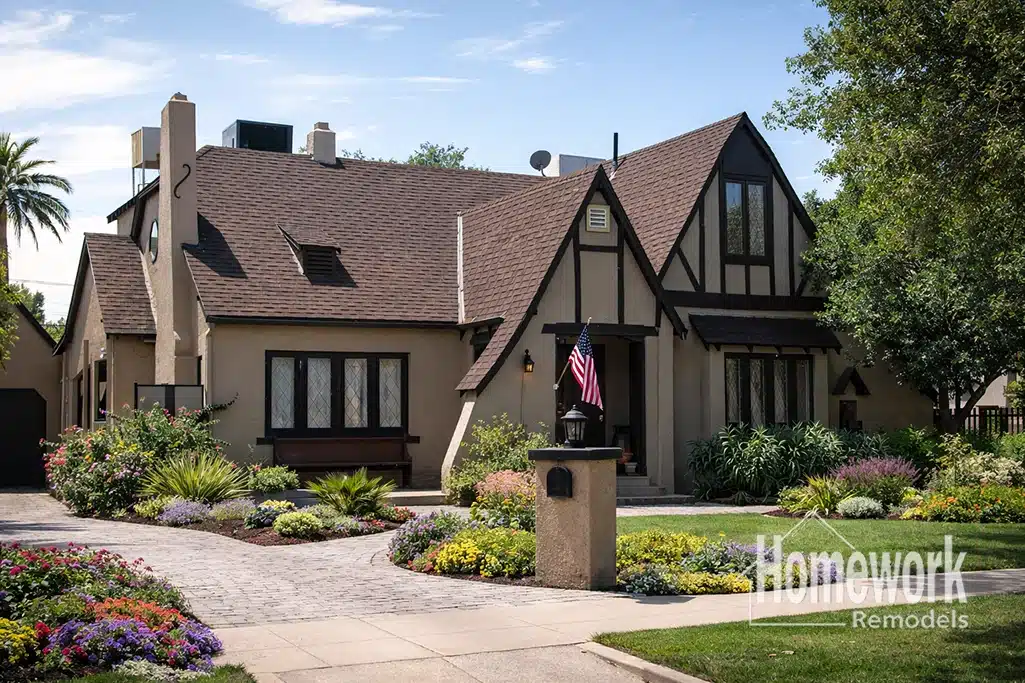
Willo Historic District Whole-Home Phasing: How to Remodel in Stages Without Limiting the Future
Homeowners in the Willo Historic District often approach remodeling with long-term intentions. These early 20th-century homes—cherished for their architecture, walkability, and sense of community—are rarely “flipped” or treated as short-term investments. Instead, owners plan to stay, improve thoughtfully, and remodel over time as needs evolve.
Because of this, phased remodeling is common in Willo. However, phasing without a comprehensive plan is one of the fastest ways to create costly limitations later. In compact historic homes, early decisions carry disproportionate weight. Whole-home phasing succeeds only when the end vision is clearly defined from the start.
Why Phasing Is Especially Risky in Willo Homes
Willo homes were built with efficient footprints and minimal redundancy. Unlike larger properties where multiple routes and spare walls exist, Willo houses rely on nearly every wall, corridor, and system to perform a specific function.
When remodeling is approached one room at a time without a broader plan, early changes can block future improvements. A kitchen remodel may limit future wall removal. A bathroom upgrade may lock plumbing into suboptimal locations. Electrical changes may cap future capacity.
The central decision tension is whether to remodel what is needed now or to plan comprehensively before acting. In Willo, planning first almost always preserves more options.
Structural Density Demands Foresight
Many Willo homes were built between the 1920s and 1940s using structural layouts that distribute loads across multiple interior walls. This density limits flexibility and increases the importance of sequence.
Removing or modifying walls later—after finishes are installed—can require undoing previous work. Phasing that ignores structural realities often leads to rework, not savings.
Homeowners considering layout changes benefit from understanding what is involved in removing load-bearing walls in Phoenix’s older homes early in the planning process, even if wall removal is not part of the first phase.
Systems Must Be Planned Before Finishes
Electrical, plumbing, and HVAC systems are among the most common sources of regret in phased remodels. In Willo homes, these systems are often undersized, outdated, or modified unevenly over decades.
If systems are upgraded only where immediately visible, future phases may require reopening walls, ceilings, or floors that were just completed. This is not only costly—it is disruptive.
Smart phasing evaluates system capacity across the entire home, even if upgrades are installed incrementally. This allows future improvements to connect seamlessly rather than collide with earlier decisions.
Kitchens and Bathrooms Set the Tone
Kitchens and bathrooms are often the first spaces Willo homeowners remodel. These rooms also anchor most of the home’s plumbing and electrical infrastructure.
When remodeled without a whole-home plan, these spaces can unintentionally dictate future layout limitations. Appliance placement, plumbing routes, and wall alignments all influence what is possible later.
The decision tension here is immediacy versus alignment. Upgrading these rooms feels urgent, but aligning them with a long-term plan protects flexibility.
Homeowners exploring larger transformations benefit from understanding how whole-home remodeling in Phoenix is approached as a coordinated system rather than isolated projects.
Phasing Does Not Mean Delaying Design
A common misconception is that phasing allows homeowners to delay design decisions. In reality, successful phasing requires more upfront design clarity—not less.
Even if construction is spread over years, the final layout, system strategy, and architectural direction should be established early. This ensures each phase supports the next.
Design clarity allows homeowners to pause construction without pausing progress. Decisions are already made; execution simply follows when timing is right.
Budget Control Through Planning, Not Guessing
Many homeowners choose phasing as a way to manage budget. This can work—but only when costs are planned comprehensively.
Without a master plan, budgets are reactive. Costs emerge unexpectedly, and earlier decisions limit cost-saving options later. With a clear plan, homeowners can allocate resources intentionally across phases.
The decision tension is perceived affordability versus actual cost control. Planning delivers control; guessing does not.
Historic Context Adds Another Layer
In Willo, historic context further amplifies the need for planning. Exterior changes are subject to review, and even interior decisions can influence future exterior options.
Phasing that ignores this context may require redesign or delay when later phases encounter review requirements unexpectedly.
Understanding historic boundaries early keeps phasing predictable rather than reactive.
Why Design-Build Supports Intelligent Phasing
Design-build remodeling aligns planning, budgeting, and construction from the outset. This is particularly valuable for phased projects in historic homes.
Because the same team guides the entire process, decisions are evaluated for both immediate and long-term impact. Adjustments can be made thoughtfully without undermining the broader plan.
Learning how the design-build remodeling process works helps homeowners understand why it is well suited to phased remodeling in Willo.
The Core Decision Tension: Act Now or Plan First
Every phased remodel in Willo comes down to a fundamental question. Is it better to act now, or to plan first?
In historic homes with limited redundancy, planning first protects freedom. It allows homeowners to move forward confidently, knowing today’s decisions will not become tomorrow’s constraints.
Phasing works best when it is guided by clarity rather than urgency.
A Note for Homeowners…
Many of the questions raised in this article—around planning, cost, timing, and long-term outcomes—are part of a broader remodeling system that most homeowners aren’t shown upfront.
Our Core Guides were created to explain why remodeling often feels unpredictable and what actually brings clarity and stability before construction begins.
Let’s Build a Phased Remodeling Plan That Protects Your Willo Home’s Future
If you are considering remodeling your Willo home in stages, the most important step is defining the long-term vision before construction begins. With neighborhood-specific experience and an integrated design-build approach, it is possible to phase improvements intelligently without sacrificing future flexibility.
We invite you to schedule a free remodeling consultation to talk through your home, your goals, and a clear plan forward.