
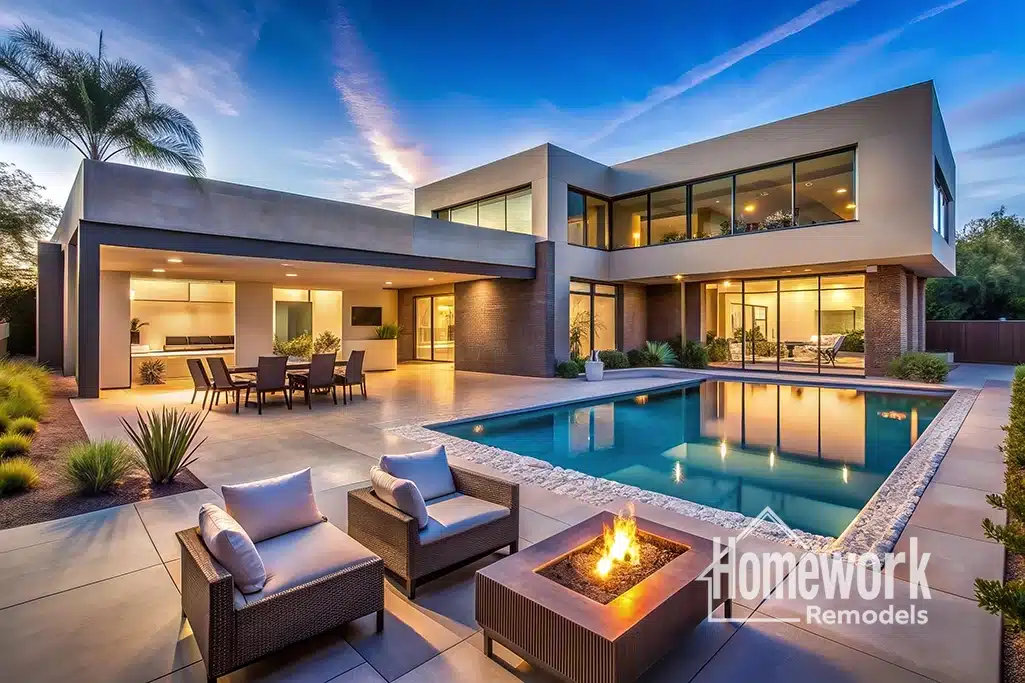
Backyard Guest Houses That Add Privacy and Flexibility
Introduction: Why Privacy and Flexibility Matter in Backyard Living
Tempe homeowners are increasingly looking for ways to add space without sacrificing comfort, privacy, or the character of their property. Backyard guest houses have emerged as one of the most practical solutions. Whether the goal is hosting visiting family, supporting multigenerational living, creating a private workspace, or adding long-term flexibility, guest houses allow households to expand while maintaining healthy separation. When designed well, these structures provide independence and comfort for occupants while preserving privacy for the main home—an ideal balance for modern lifestyles.
What Makes a Guest House Different from an Addition
While both guest houses and home additions add usable square footage, they serve different purposes. A guest house is typically detached or semi-detached, creating a clear physical and psychological separation from the primary residence. This separation supports privacy, flexible use, and independent living. Unlike interior additions that often disrupt daily routines, backyard guest houses concentrate construction activity away from the main living spaces. For Tempe homeowners who value autonomy and adaptability, guest houses often provide a better long-term solution than expanding within the existing footprint.
Designing for Privacy Without Isolation
Privacy does not have to mean isolation. Thoughtful design balances separation with connection. Orientation, window placement, and landscaping play major roles in maintaining visual privacy while allowing natural light and airflow. Entry paths can be designed to feel discreet without being inconvenient. Sound separation, setbacks, and thoughtful placement on the lot further enhance comfort. The result is a guest house that feels private and self-contained while still belonging to the property as a whole.
Flexible Layouts for Guests, Family, and Work
One of the greatest advantages of a backyard guest house is flexibility. Floor plans can be designed to accommodate short-term guests, long-term family members, or even home offices and studios. Open layouts allow spaces to adapt over time, while dedicated sleeping and bathroom areas support comfort and independence. Kitchenettes or full kitchens add functionality, making the space suitable for extended stays. Flexibility ensures that the guest house continues to serve the household’s evolving needs rather than becoming underutilized.
Outdoor Connections That Enhance Separation
Outdoor spaces often act as buffers between the main home and the guest house. Courtyards, patios, pergolas, and landscaping create natural transitions that reinforce privacy. In Tempe’s climate, outdoor living areas are used year-round, making them valuable extensions of both structures. When outdoor spaces are designed intentionally, they enhance the sense of separation while contributing to a cohesive property layout. These transitional zones help guest houses feel intentional rather than tucked away.
Utilities, Access, and Everyday Independence
True independence requires thoughtful planning around utilities and access. Separate entrances, dedicated HVAC systems, and independent plumbing and electrical connections allow guest house occupants to maintain autonomy. Storage, laundry access, and parking considerations further support daily living. Planning these elements early prevents compromises later. When utilities and access are designed with independence in mind, guest houses function as complete living spaces rather than auxiliary rooms.
How Design-Build Creates Better Guest House Outcomes
A coordinated design-build remodeling process is especially effective for guest house projects because it aligns design intent with construction realities from the start. Design-build teams evaluate zoning, site conditions, and lifestyle goals simultaneously, reducing delays and redesigns. This integrated approach ensures that privacy, flexibility, and constructability are addressed early. Homeowners benefit from clearer timelines, more accurate budgets, and a smoother experience overall.
Guest House, Casita, and ADU Services in Tempe
Homeowners considering backyard living solutions often explore multiple options. Working with an experienced Tempe guest house contractor allows homeowners to evaluate design and zoning considerations early. Many projects overlap with Tempe casitas & ADU additions or integrate into broader Tempe home remodeling services. Coordinating these services ensures the guest house supports both immediate needs and long-term property goals.
Conclusion: Creating Space Without Compromise
Backyard guest houses offer Tempe homeowners a way to expand living space without compromising privacy or comfort. By designing for separation, flexibility, and independence, these structures support a wide range of lifestyles. Thoughtful planning ensures that guest houses enhance daily life while remaining adaptable over time. With the right approach, a backyard guest house becomes a valuable asset rather than a temporary solution.
A Note for Homeowners…
Many of the questions raised in this article—around planning, cost, timing, and long-term outcomes—are part of a broader remodeling system that most homeowners aren’t shown upfront.
Our Core Guides were created to explain why remodeling often feels unpredictable and what actually brings clarity and stability before construction begins.
Let’s Talk About a Backyard Guest House for Your Property
Schedule your free consultation to explore a backyard guest house that adds privacy, flexibility, and long-term value to your Tempe home.