
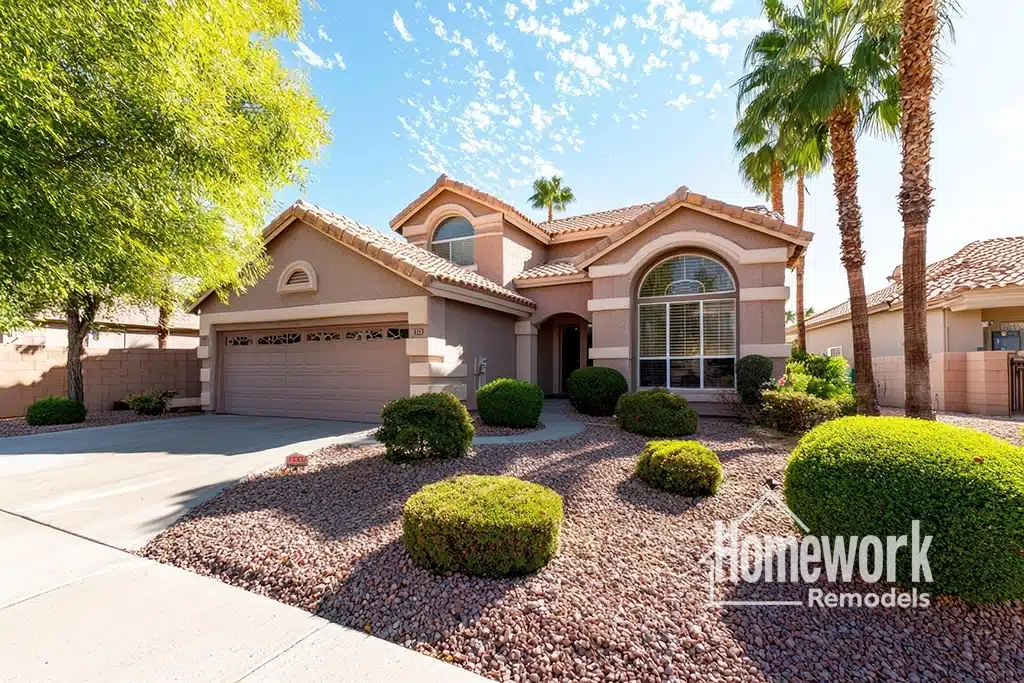
North Glendale Second-Story Additions: When Building Up Makes Sense on a Ranch Home
In North Glendale, ranch-style homes dominate the landscape. Single-story layouts, wide roof spans, and generous lots make these homes comfortable and approachable. When families outgrow the space, homeowners often face a pivotal question: should they expand outward or consider a second-story addition?
Building up can seem efficient—doubling square footage without consuming yard space. But on ranch homes, second-story additions are rarely simple. In North Glendale, the decision to go vertical must be grounded in structure, proportion, and long-term livability.
Why Homeowners Consider Building Up
Many North Glendale homeowners value their outdoor space. Large yards, mature trees, and room for entertaining are hard to give up.
Second-story additions promise more interior space without sacrificing what makes the property appealing. For growing families or multigenerational living, the idea is attractive.
The core decision tension is land preservation versus structural complexity.
Ranch Homes Were Not Designed to Go Vertical
Most ranch homes were engineered as single-story structures. Foundations, wall framing, and roof systems were sized accordingly.
Adding a second story often requires reinforcing foundations, upgrading shear walls, and reworking roof structures. These changes are extensive and can rival the cost of a lateral addition.
Structural feasibility must be confirmed early.
Foundation Capacity Is the First Gatekeeper
Not all foundations can support additional load. Slab thickness, footing size, and soil conditions vary widely in North Glendale.
Upgrading foundations after design begins is disruptive and expensive. Homes that cannot support vertical loads should not pursue second-story additions.
The decision tension is theoretical possibility versus verified capacity.
Roof Structure Dictates Cost and Complexity
Ranch homes typically have wide, low-pitch roofs. Second-story additions often require removing the entire roof structure and rebuilding.
This increases construction time, weather exposure risk, and cost. Partial second stories can reduce impact but complicate layout and proportion.
Roof decisions shape everything that follows.
Stair Placement Changes the Entire Floor Plan
Adding a second story requires stairs—often the most underestimated design challenge.
Stairs consume valuable square footage and disrupt circulation. Poor stair placement can compromise both floors.
Successful designs integrate stairs naturally rather than forcing them into leftover space.
Proportion and Neighborhood Fit Matter
Second-story additions change how a home is perceived from the street. In neighborhoods dominated by single-story ranch homes, vertical additions can feel out of scale.
Designs that step back upper levels or limit street-facing mass often integrate more successfully.
The decision tension is maximum gain versus contextual fit.
Systems Must Be Reengineered, Not Extended
HVAC, plumbing, and electrical systems in ranch homes were sized for one level. Adding a second story often requires new zones, upgraded panels, and extended infrastructure.
Piecing systems together leads to inefficiency and comfort issues. Integrated system redesign supports long-term performance.
Understanding how whole-home remodeling in Phoenix evaluates system changes helps homeowners anticipate these needs.
Cost Comparison Is Often Misleading
Homeowners sometimes assume building up costs less than building out. In practice, second-story additions frequently cost more per square foot due to structural and system upgrades.
Lateral additions may deliver similar square footage with less disruption and greater predictability.
The decision tension is perceived efficiency versus actual cost.
Living Through Construction Is Harder When Going Up
Second-story projects often require homeowners to vacate temporarily. Roof removal, structural reinforcement, and system upgrades create conditions unsuitable for occupancy.
Outward additions may allow families to remain in the home longer.
Lifestyle disruption should factor into the decision.
Why Design-Build Clarifies the Right Path
Design-build remodeling allows feasibility, cost, and livability to be evaluated together before committing to a direction.
This approach prevents homeowners from pursuing vertical additions that look appealing on paper but fail in execution.
Learning how the design-build remodeling process works helps North Glendale homeowners make informed, confident decisions.
The Core Decision Tension: Vertical Ambition or Grounded Solution
Second-story additions can succeed—but only when the home, site, and budget align.
In North Glendale ranch homes, grounded solutions often outperform ambitious ones. The right choice is the one that supports daily life, not just square footage goals.
Let’s Evaluate Whether Going Up Is the Right Move for Your Home
If you are considering a second-story addition on a ranch home in North Glendale, early feasibility is essential. With neighborhood-specific experience and an integrated design-build approach, it is possible to determine whether building up—or building out—will serve you best.
We invite you to schedule a free remodeling consultation to evaluate options grounded in how your home is actually built.