
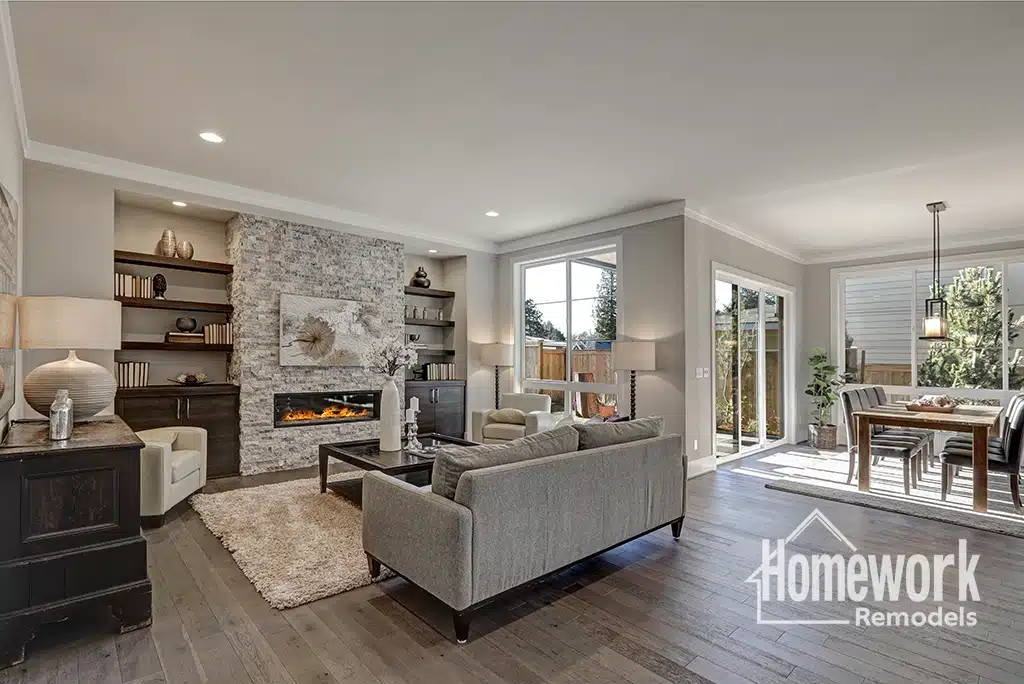
Phoenix Home Additions: Why Floor-Area Ratio Stops Projects Cold
Homeowners across Phoenix often assume that if they own the land, they can build what they want. In reality, one of the most common reasons home addition projects stall—or stop entirely—has nothing to do with budget, design taste, or construction complexity. It comes down to a quiet zoning metric many homeowners don’t discover until it’s too late: Floor-Area Ratio.
Floor-Area Ratio, commonly referred to as FAR, governs how much total building area is allowed on a property relative to lot size. In Phoenix, FAR varies by zoning district, neighborhood overlay, and sometimes even block by block. Understanding it early can mean the difference between a smooth design-build process and a frustrating reset.
What Floor-Area Ratio Actually Controls
FAR limits the total square footage of structures on a lot—not just the footprint. This includes the existing house plus any additions, second stories, garages, or enclosed accessory structures.
A property with a low FAR may already be close to its maximum allowable building area. In those cases, even modest additions can push the project beyond what zoning allows.
The core decision tension is desired space versus allowable mass.
Why FAR Catches Homeowners Off Guard
Most homeowners plan additions visually. They look at yard space, setbacks, and how an addition might fit physically on the lot. FAR operates invisibly in the background.
Because FAR doesn’t always affect the shape of an addition—but rather the total volume—it often isn’t discovered until design is underway. By then, expectations are already set.
Different Neighborhoods, Different FAR Limits
Phoenix is not governed by a single FAR rule. Historic districts, planned communities, and infill neighborhoods may all have different thresholds.
Homes in older central Phoenix neighborhoods often sit on smaller lots with stricter ratios, while some newer areas allow more flexibility. Assuming one rule applies citywide leads to costly mistakes.
Second Stories Trigger FAR Faster Than Expected
Homeowners sometimes turn to second-story additions to preserve yard space. While setbacks may allow it, FAR often does not.
Adding a full second level can push total square footage past the allowable limit even when the footprint remains unchanged. This is one of the most common reasons vertical additions are rejected.
The decision tension becomes building up versus staying compliant.
Garages, Casitas, and ADUs Count Too
Accessory structures are often overlooked in FAR calculations. Enclosed garages, guest houses, and even some converted spaces contribute to total building area.
Homeowners planning a combination of improvements—such as a home addition plus a guest space—must evaluate FAR holistically.
Understanding how home additions in Phoenix are evaluated together helps prevent scope conflicts.
Overlays and Special Districts Add Complexity
Some Phoenix neighborhoods fall under historic or design overlays that modify FAR or how it is calculated. These overlays can reduce allowable area or impose additional review requirements.
Ignoring overlays early can result in designs that technically fit zoning but fail overlay criteria.
Reducing Scope Isn’t Always the Best Fix
When FAR limits are exceeded, homeowners are often advised to “scale back.” But reducing square footage alone may not solve the issue.
Strategic reallocation—such as repurposing existing space or replacing inefficient layouts—can sometimes achieve goals without increasing total area.
This is where remodeling strategy becomes more important than expansion.
Whole-Home Remodeling Can Bypass FAR Roadblocks
In some cases, homeowners can achieve desired outcomes through interior reconfiguration rather than addition. Improving flow, storage, and function inside the existing envelope avoids FAR entirely.
Homeowners who understand how whole-home remodeling in Phoenix evaluates livability gains without expansion often discover better solutions.
Why Early Feasibility Is Non-Negotiable
FAR should be evaluated before design begins—not after. Early feasibility analysis sets realistic boundaries and prevents emotional investment in unbuildable concepts.
Design-build remodeling integrates zoning review into the earliest planning stages, reducing wasted effort and redesign costs.
Learning how the design-build remodeling process works helps homeowners approach additions with clarity rather than guesswork.
Cost Implications Go Beyond Design Fees
Discovering FAR issues late can result in sunk design costs, delays, and permitting challenges. Projects may need to be redesigned entirely—or abandoned.
Early zoning clarity protects both budget and momentum.
The Core Decision Tension: Bigger Home or Smarter Use
In Phoenix, successful remodeling is not always about adding space. It’s about using allowable space wisely.
When homeowners understand FAR early, they can choose strategies that deliver comfort and function without fighting the rules that govern their property.
Let’s Confirm What Your Property Can Actually Support
If you’re considering a home addition anywhere in Phoenix, understanding Floor-Area Ratio is essential. With a design-build approach and early feasibility analysis, it’s possible to identify what’s allowed before design decisions lock in.
We invite you to schedule a free remodeling consultation to evaluate your property’s zoning and expansion options with confidence.