
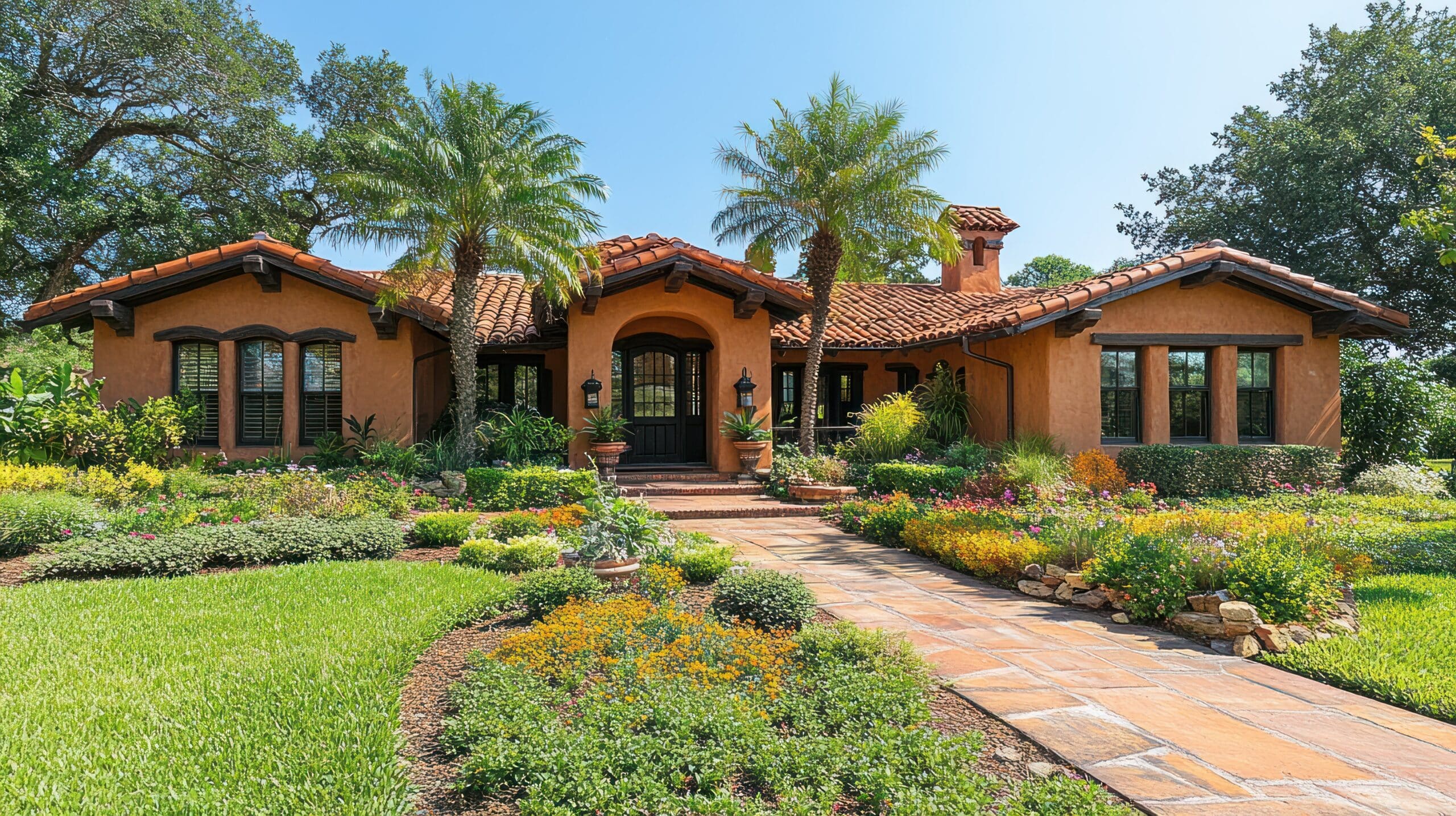
Remodeling in the Maple-Ash Historic District
Remodeling a home in Tempe’s Maple-Ash Historic District isn’t just about updating finishes or adding space—it’s about making thoughtful decisions inside a framework of history, neighborhood identity, and very real regulatory boundaries. Homeowners here tend to be deeply invested in both livability and stewardship. They want homes that function for modern life, but they also want to protect what makes Maple-Ash special in the first place.
This creates a unique planning challenge. Unlike other Tempe neighborhoods where change is expected, Maple-Ash remodels succeed only when they strike a careful balance between improvement and restraint. The most successful projects begin not with design inspiration, but with clarity about what truly matters—and what simply isn’t worth the risk.
Why Maple-Ash Remodels Follow Different Rules
Maple-Ash homes were largely built between the 1920s and 1940s, during a period when craftsmanship, proportion, and neighborhood rhythm mattered more than square footage. These homes were designed for a different lifestyle, and while that charm is the reason many buyers fall in love with the area, it also explains why standard remodeling approaches often fail here.
The first major difference is regulation. Historic designation means exterior changes—especially those visible from the street—are subject to stricter review. Rooflines, window proportions, façade materials, and additions are all evaluated through a preservation lens. Homeowners who approach remodeling with a “we’ll figure it out as we go” mindset often encounter delays, redesigns, or outright denials.
The second difference is physical constraint. Lots in Maple-Ash are typically narrower, alley access is common, and original foundations and framing systems don’t always cooperate with modern expectations. These homes weren’t designed for open floor plans, oversized kitchens, or expansive primary suites—at least not without careful structural planning.
Finally, there’s the neighborhood itself. Maple-Ash residents tend to be highly engaged. Remodels are visible, discussed, and remembered. A project that feels out of scale or insensitive can create friction that lasts far longer than construction.
The Core Decision: What Must Change—and What Shouldn’t
Nearly every Maple-Ash homeowner faces the same central tension: How do you modernize daily living without erasing the home’s historic DNA?
This decision shows up early and often. Should walls be removed to open up the kitchen, or does that compromise the home’s original layout logic? Is it worth expanding the footprint, knowing additions are more scrutinized than interior changes? Should original windows be restored, retrofitted, or replaced—and at what cost?
The most successful remodels begin by identifying non-negotiables. For some homeowners, preserving the front elevation exactly as-is is paramount. For others, improving flow and storage outweighs strict interior preservation. There is no universal right answer—but there is a right order for answering these questions.
When homeowners skip this clarity phase, they often end up reacting to constraints instead of planning around them. That’s when budgets creep, timelines slip, and compromises feel disappointing rather than intentional.
Interior Improvements That Respect Exterior Integrity
One of the advantages of remodeling in Maple-Ash is that many impactful improvements can happen entirely inside the home. Kitchens can be reconfigured, bathrooms expanded, and mechanical systems upgraded without triggering exterior review—provided the work is thoughtfully planned.
Interior wall removal is common, but it must be done surgically. Load-bearing walls often run through the center of these homes, and ceiling heights can vary between original and remodeled areas. Structural solutions need to preserve ceiling planes and avoid creating awkward transitions that feel out of character.
Storage is another frequent challenge. Original homes weren’t designed for today’s storage needs, yet bulky built-ins can feel visually heavy. Custom cabinetry that echoes original proportions often provides a better solution than standard modern systems.
Mechanical upgrades—HVAC, electrical, plumbing—are also critical in Maple-Ash homes. These systems are often outdated, undersized, or inconsistently modified over decades. Addressing them early prevents future disruptions and allows the finished spaces to feel quietly comfortable rather than obviously “renovated.”
Navigating Additions Without Triggering Regret
Additions in the Maple-Ash Historic District require more restraint than creativity. That doesn’t mean they’re impossible—but they do demand humility.
Rear additions are generally more viable than side or front expansions, especially when they preserve the original street-facing façade. Even then, massing, roof pitch, and material transitions must feel secondary to the original structure. Successful additions read as natural evolutions, not statements.
A common mistake is overbuilding relative to the original home. Larger additions may technically fit zoning requirements but still feel disproportionate within the neighborhood context. Homeowners often discover too late that “allowed” does not always mean “appropriate.”
Design-build planning helps here by coordinating architecture, structure, and budget simultaneously. Instead of designing something aspirational and then scaling it back, homeowners can explore what actually works—both on paper and in reality—before emotions and costs escalate.
Permit Strategy and Sequencing Matter More Than You Think
In Maple-Ash, how you plan can be just as important as what you build. Permit sequencing, documentation quality, and early alignment with historic guidelines all influence outcomes.
Homeowners who submit incomplete or unclear plans often face multiple rounds of review. Each revision adds time, cost, and frustration. Worse, mid-project changes can force redesigns that ripple through structure, finishes, and schedules.
A more effective approach is to front-load decisions. By resolving layout, exterior impact, and structural intent early, the approval process becomes more predictable. This is especially important for homeowners who plan to live in the home during construction, where delays have real lifestyle consequences.
For homeowners considering broader layout changes—such as opening kitchens or improving flow—understanding how these decisions interact with historic homes across Tempe can be helpful. Resources like Open Concept Home Remodeling in Tempe offer additional context for evaluating these tradeoffs within older neighborhoods.
Long-Term Livability Over Short-Term Trends
One of the most important questions Maple-Ash homeowners can ask is not “What do we want now?” but “What will still feel right in twenty years?”
Trends change quickly, but historic homes endure. Materials that age gracefully, layouts that respect original proportions, and upgrades that remain visually quiet tend to hold their value—both financially and emotionally.
This is where restraint becomes a strength. A remodel that feels timeless today will still feel appropriate as the neighborhood evolves. In contrast, projects that chase trends often feel dated far faster than the original home ever did.
Remodeling as Stewardship
Remodeling in the Maple-Ash Historic District is a responsibility as much as it is an opportunity. Each project contributes to the neighborhood’s collective future. Homeowners who approach remodeling with care, clarity, and respect not only improve their own quality of life—they help preserve the character that drew them to Maple-Ash in the first place.
For those planning a remodel here, starting with a deep understanding of context is the most valuable investment you can make. Exploring the broader landscape of home remodeling in Tempe, AZ can provide additional perspective on how neighborhood-specific planning shapes better outcomes across the city.
Let’s Plan a Remodel That Respects Maple-Ash
If you’re considering a remodel in the Maple-Ash Historic District, the most important step is thoughtful planning—before drawings, before permits, and before assumptions take hold. A clear, design-build approach can help you navigate historic guidelines, structural realities, and long-term livability with confidence.
Schedule a free remodeling consultation with our design-build team. We’ll help you evaluate possibilities, constraints, and next steps so you can move forward with clarity.