
Why Mid-Century Homes Are Perfect for Design-Build Remodeling
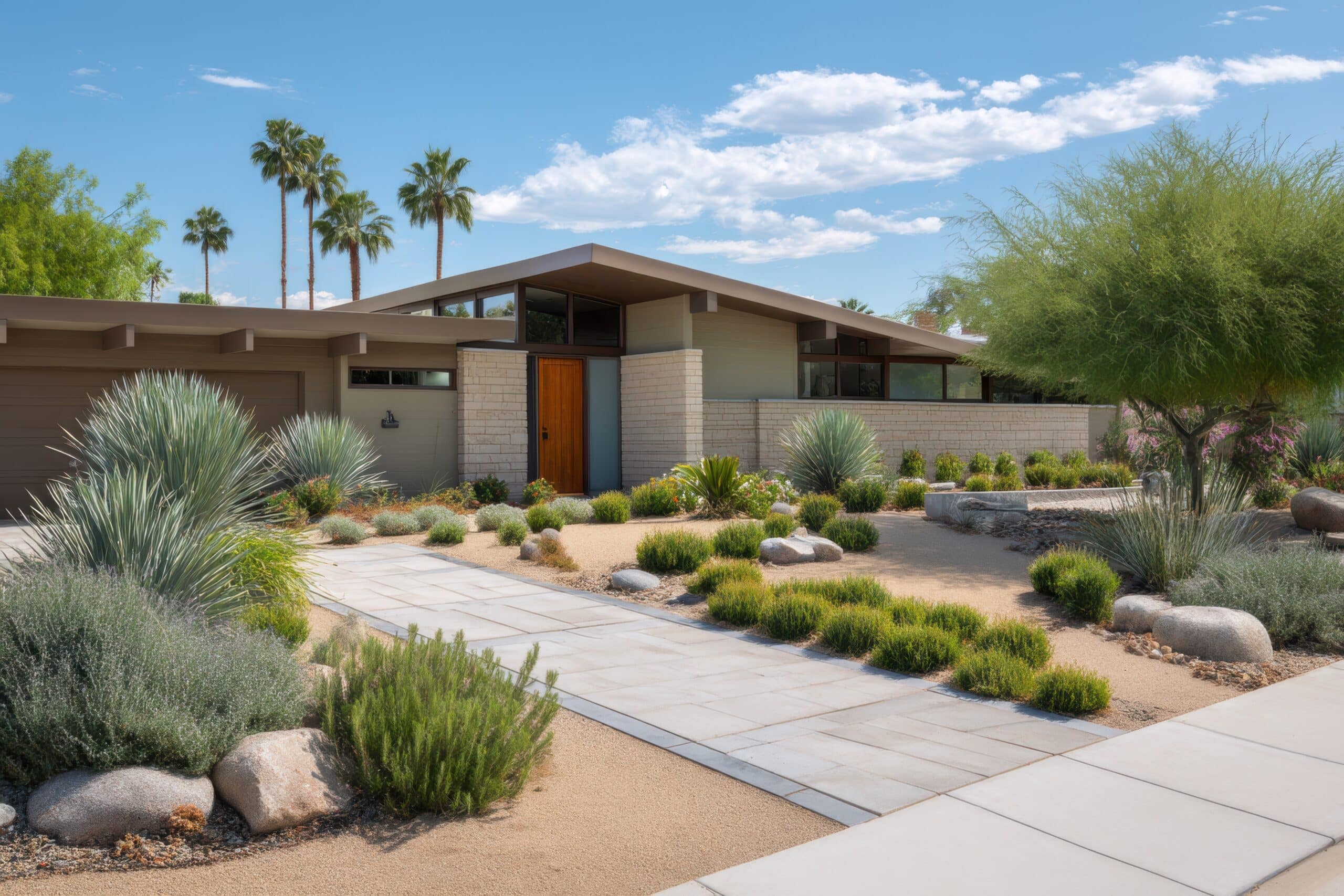
Mid-century homes occupy a special place in Tempe. Built during a period of rapid growth and optimism, they were designed with efficiency, clarity, and a strong relationship to the outdoors. These qualities are exactly what make them so appealing today—and also what make them especially well-suited to a design-build remodeling approach.
Unlike homes that rely heavily on ornament or complex detailing, mid-century houses tend to express their logic openly. Structure is honest. Layouts are purposeful. When it’s time to remodel, that transparency becomes an advantage—if the process respects it.
Mid-Century Homes Were Designed as Systems
One of the defining traits of mid-century architecture is integration. Structure, layout, mechanical systems, and outdoor relationships were conceived together, not as separate layers.
When remodels treat these elements independently—designing layout without structure, or upgrading finishes without addressing systems—conflicts arise. Ceiling planes break. Beams intrude. Comfort suffers.
Design-build remodeling mirrors the way these homes were originally conceived: as coordinated systems rather than isolated parts.
The Core Decision: Fragmented Updates or Integrated Planning
Homeowners remodeling mid-century homes often face a pivotal choice: Do we update things one piece at a time—or plan the home holistically?
Fragmented updates can work in some house types. In mid-century homes, they often don’t. Removing a wall affects structure. Changing a kitchen affects circulation. Upgrading HVAC affects ceiling heights and storage.
Design-build planning allows these decisions to be resolved together, reducing surprises and protecting the home’s architectural clarity.
Structure and Layout Are Closely Linked
Many mid-century homes use slab foundations and simple roof structures. Load-bearing walls frequently align with circulation paths and room boundaries.
When homeowners attempt to “open things up” without structural coordination, results can feel awkward—dropped beams, soffits, or uneven ceilings that disrupt clean lines.
Design-build teams resolve structure and layout simultaneously, allowing openness where it makes sense and restraint where it preserves proportion.
Mechanical Upgrades Benefit From Early Coordination
Mid-century homes were not designed for modern mechanical loads. Electrical service, HVAC capacity, and plumbing layouts often need significant improvement.
Upgrading systems late in the process forces compromises. Planning them early allows solutions to be integrated quietly—maintaining visual simplicity while dramatically improving comfort.
This is where design-build excels: aligning performance upgrades with architectural intent rather than layering them on afterward.
Indoor-Outdoor Flow Requires Unified Decisions
Mid-century homes often blur the line between inside and outside. Patio access, window placement, and orientation all support this relationship.
Remodels that ignore this context can weaken one of the home’s greatest strengths. Design-build planning ensures that layout changes, door systems, and outdoor improvements work together cohesively.
The result is a home that feels more expansive without feeling overbuilt.
Kitchens and Living Spaces Benefit From Clarity
Mid-century kitchens were typically compact and efficient. Modern living often demands more openness—but not chaos.
Design-build planning helps determine how much openness supports daily life without erasing structure. Kitchens can connect to living spaces while still feeling grounded and organized.
For homeowners evaluating these tradeoffs, understanding how openness works specifically in Tempe homes can be helpful. The Home Remodeling in Tempe, AZ hub offers broader context for how integrated planning improves outcomes across neighborhoods.
Mid-Century Proportions Reward Restraint
Because mid-century homes rely on proportion rather than decoration, they reveal missteps quickly. Oversized additions, mismatched ceiling heights, or overdesigned finishes can feel immediately out of place.
Design-build remodeling encourages restraint by resolving decisions early and holistically. This protects the home’s balance and improves long-term satisfaction.
Additions Demand Integrated Thinking
When mid-century homes need more space, additions must respect the original logic—simple forms, horizontal emphasis, and clear transitions.
Design-build planning allows massing, structure, and systems to be coordinated before construction, reducing the risk of visual or functional disconnects.
Additions that feel intentional tend to age far better than those that feel appended.
Fewer Surprises, Better Outcomes
Mid-century remodels often reveal hidden conditions: inconsistent framing, undocumented changes, or outdated systems. While these surprises can’t always be avoided, they can be managed.
Design-build processes are structured to anticipate discovery, adjust efficiently, and keep decisions aligned with original goals. This reduces stress and protects budgets.
Long-Term Value Favors Integrated Remodeling
Mid-century homes in Tempe hold value best when remodels feel coherent. Buyers recognize when a home has been thoughtfully planned rather than patched together.
Integrated design-build remodeling supports that coherence—aligning structure, systems, and space into a unified whole.
A Process That Matches the Architecture
Mid-century homes were built with clarity and purpose. Remodeling them successfully requires a process that honors those same values.
Design-build isn’t just convenient—it’s appropriate. It reflects how these homes were meant to work and how they can continue to serve modern life without losing identity.
Let’s Plan Your Remodel with Clarity
If you’re considering remodeling a mid-century home in Tempe, the most valuable first step is a clear, pressure-free conversation. Understanding how structure, systems, and layout interact before design begins helps avoid costly surprises and ensures decisions feel confident—not rushed.
If you’d like to explore your options, you can schedule a free remodeling consultation with our design-build team. We’ll help you evaluate possibilities, constraints, and next steps so you can move forward with clarity.