
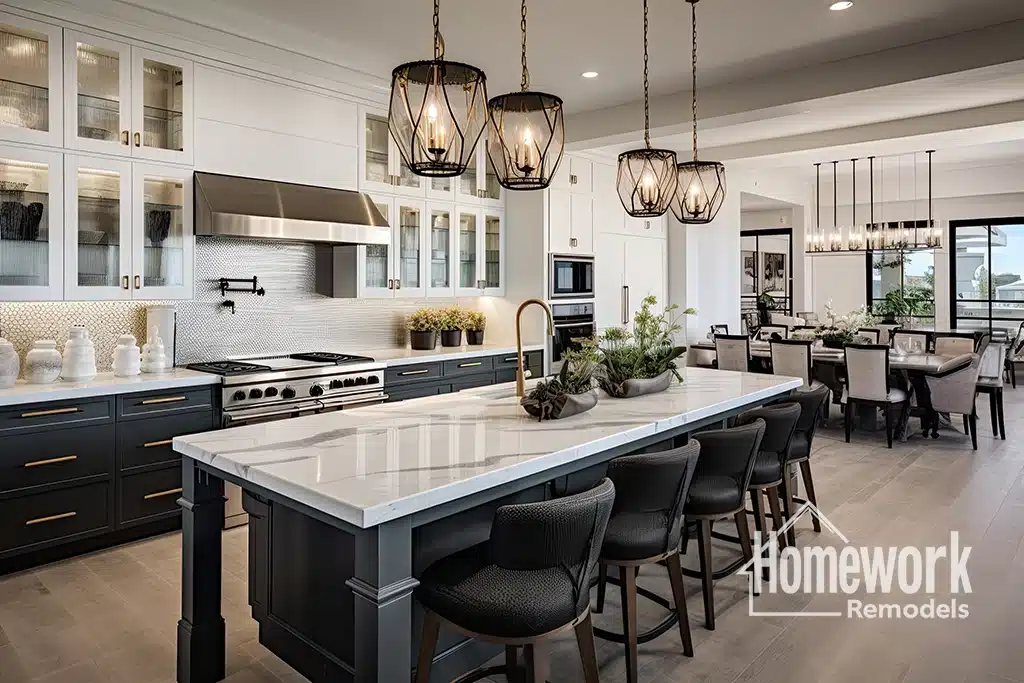
How to Layer Lighting for Mood and Function
Lighting does much more than illuminate a room. It influences how a space feels, how effectively it functions, and how architectural features are experienced throughout the day. In Tempe homes, where abundant natural light is a defining characteristic of Arizona living, artificial lighting plays an equally important role once the sun sets or when specific tasks require additional illumination.
Whether renovating a mid-century ranch near Arizona State University, updating a family home in Broadmor, or modernizing a residence near Tempe Town Lake, homeowners are increasingly recognizing that a single overhead fixture is rarely enough. The most successful interiors use layered lighting to create flexibility, comfort, and visual interest.
By combining multiple lighting types, homeowners can create spaces that adapt to everyday activities while enhancing the overall design of the home.
Understanding the Three Layers of Lighting
Professional lighting design typically incorporates three primary categories of light that work together to create a balanced environment.
These include:
- ambient lighting
- task lighting
- accent lighting
Ambient lighting provides overall illumination throughout the room.
Task lighting supports specific activities such as:
- cooking
- reading
- working
- grooming
- studying
Accent lighting highlights architectural features and decorative elements.
Many homeowners begin exploring lighting strategies through the Homework Remodels Resources Page, where they can learn how lighting decisions contribute to successful remodeling outcomes.
A layered approach creates greater flexibility than relying on a single source of illumination.
Ambient Lighting Establishes the Foundation
Ambient lighting serves as the base layer that allows a room to function comfortably.
Common ambient lighting sources include:
- recessed lighting
- ceiling fixtures
- pendant lighting
- cove lighting
- wall-mounted fixtures
A thoughtfully planned Design-Build Remodeling process often incorporates lighting design early in the project, allowing fixtures to be coordinated with architecture, electrical systems, and furniture layouts.
Establishing a strong ambient layer helps create a comfortable foundation for the remaining lighting elements.
Task Lighting Supports Everyday Activities
Task lighting provides focused illumination where homeowners need it most.
Popular Task Lighting Applications
In modern Tempe homes, task lighting frequently appears in:
- kitchen work areas
- bathroom vanities
- home offices
- reading corners
- laundry rooms
- workshop spaces
Many homeowners pursuing larger layout transformations through Removing Load-Bearing Walls discover that task lighting becomes especially important as open-concept spaces combine multiple functions into one connected environment.
The Open Concept Remodeling Guide explains how lighting and layout planning work together to improve both functionality and visual organization.
For larger renovations, Whole Home Remodeling allows homeowners to develop cohesive lighting strategies throughout multiple rooms and activity zones.
Well-placed task lighting improves both comfort and efficiency.
Service Page Power Links Section
Integrating Lighting Into a Comprehensive Remodeling Plan
Lighting works best when it is planned alongside architecture, layout development, and material selection rather than added after construction is complete.
Through Whole Home Remodeling, homeowners can coordinate lighting systems across multiple spaces while creating consistent visual experiences throughout the home.
Likewise, many projects involve Kitchen Remodeling because kitchens often require the most complex lighting plans. Combining ambient, task, and accent lighting in these spaces helps support both functionality and design goals.
Accent Lighting Adds Depth and Atmosphere
Accent lighting is often what transforms a room from functional to memorable.
Popular uses include highlighting:
- artwork
- architectural details
- shelving
- fireplaces
- stone walls
- custom millwork
- decorative displays
Accent lighting introduces depth and visual layering while helping create a more inviting atmosphere.
The article on Lighting Design That Enhances Architecture explores how lighting can strengthen architectural character and elevate interior spaces.
Even subtle accent lighting can dramatically influence how a room feels.
Design Insight from a Design-Build Remodeler
The most successful lighting plans are rarely noticeable because they feel natural and intuitive. In Tempe homes, layered lighting helps homeowners adapt spaces for different activities while maintaining comfort and visual appeal. A thoughtful combination of ambient, task, and accent lighting creates interiors that remain functional throughout the day and inviting after sunset.
Dimmers Create Additional Flexibility
One of the simplest ways to improve a lighting system is by incorporating dimmers.
Benefits include:
- adjustable brightness
- improved mood control
- energy savings
- increased comfort
- enhanced versatility
Dimmers allow homeowners to adapt spaces for:
- entertaining
- family gatherings
- focused work
- quiet evenings
- dining experiences
The article on How Remodeling Decisions Create or Destroy Peace of Mind highlights the value of planning for long-term comfort and usability.
For additional inspiration, homeowners often explore the Whole Home Remodeling Ideas page to see how lighting contributes to complete remodeling transformations.
Flexibility often becomes one of the most appreciated aspects of a well-designed lighting system.
Closing Thoughts
Layered lighting is one of the most effective ways to improve both the functionality and atmosphere of a home. By combining ambient, task, and accent lighting, homeowners can create spaces that support everyday activities while enhancing architectural character and visual comfort.
Whether updating a mid-century ranch near ASU or modernizing a contemporary family residence, homeowners who invest in thoughtful lighting design often achieve interiors that feel more versatile, welcoming, and refined.
By approaching lighting as an essential part of the remodeling process, Tempe homeowners can create spaces that function beautifully throughout every hour of the day.
Homework Remodels is a Phoenix-based design-build remodeling company serving Tempe, Arcadia, Paradise Valley, Biltmore, and surrounding communities throughout the Valley. Our team specializes in thoughtful renovations, home additions, structural remodeling, and personalized design solutions that respect the character of established Arizona neighborhoods.