
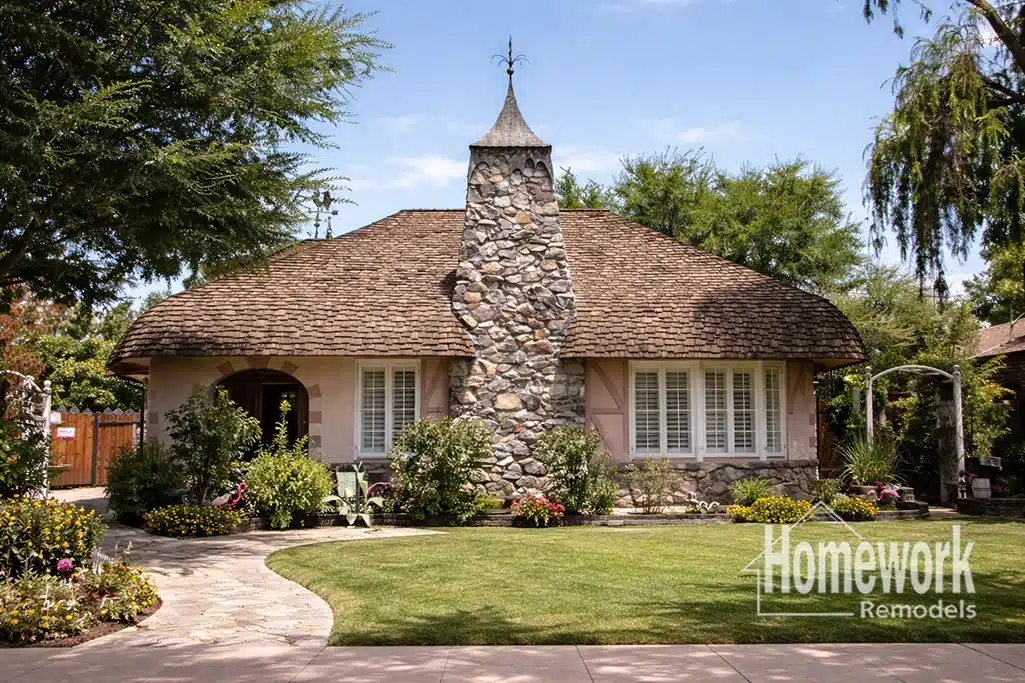
Adding Storage to F.Q. Story Homes Without Altering Historic Layouts
Homes in the F.Q. Story Historic District were built with simplicity in mind. Constructed in the early twentieth century, these houses reflect a time when lifestyles were less accumulation-oriented, possessions were fewer, and storage needs were modest. Closets were small, cabinetry was limited, and many storage functions were handled outside the home altogether. Today’s homeowners, however, expect their homes to support modern living with adequate storage for daily life—without sacrificing the character that makes these historic houses so appealing.
In the F.Q. Story Historic District, storage improvements are approached differently than in larger or newer homes. The best solutions are rarely about adding square footage. Instead, they focus on using existing space more intelligently. Oversized hallways, awkward corners, and underutilized rooms often present opportunities to integrate storage discreetly. The goal is to enhance functionality while keeping original layouts largely intact.
One of the defining principles of storage planning in F.Q. Story is visual restraint. Because these homes rely on proportion and simplicity, storage solutions must feel intentional rather than intrusive. When storage overwhelms a room visually, it can quickly undermine the calm, balanced quality that defines historic interiors. Thoughtful planning ensures that new storage supports daily life without becoming the focal point.
Built-in storage is one of the most effective strategies. Custom cabinetry designed to match the home’s proportions can be integrated into living rooms, dining areas, and bedrooms without feeling out of place. Window seats with concealed storage, shallow built-ins along interior walls, or cabinetry integrated into architectural niches often feel as though they were always part of the home. When detailed thoughtfully, built-ins read as original features rather than modern additions.
The key to successful built-ins lies in scale and detailing. Depth, trim profiles, and door proportions are carefully considered so new storage complements existing millwork. Avoiding overly bulky forms helps preserve openness and maintain the home’s original visual rhythm.
Kitchens and bathrooms are frequent priorities for storage improvements. In F.Q. Story homes, these spaces were originally designed to be compact and utilitarian. Rather than expanding them dramatically, homeowners often focus on improving cabinet organization, adding pantry solutions, or reconfiguring layouts to maximize vertical space. Pull-out shelving, interior organizers, and tall cabinetry make small rooms far more usable without altering room boundaries.
These changes often deliver the greatest functional gains with the least visual impact. Improving what happens inside cabinets can be just as valuable as increasing square footage—especially in historic homes where expansion is limited.
Closet upgrades also play an important role in improving storage capacity. Many F.Q. Story homes feature shallow or undersized closets that no longer meet modern needs. Reworking interior closet layouts, adding built-in shelving, or consolidating storage across adjacent rooms can dramatically improve capacity without requiring structural changes. In some cases, fewer but better-designed closets outperform multiple inefficient ones.
Attics and crawl spaces are sometimes overlooked but can offer valuable storage potential when properly improved. Adding safe access, lighting, and basic finishing can make these areas more usable while remaining visually unobtrusive. Because these spaces are typically out of sight, they allow homeowners to store seasonal or infrequently used items without impacting primary living areas.
For homeowners evaluating storage strategies within the historic context of this neighborhood, the F.Q. Story Home Remodeling hub provides guidance on preservation-minded approaches that respect original layouts, proportions, and architectural intent.
Furniture selection and space planning also influence storage success. Multipurpose furnishings—such as ottomans with storage, beds with integrated drawers, or dining benches that double as cabinets—allow homeowners to gain capacity without cluttering living spaces. These solutions are especially effective in modestly sized historic homes where every square foot matters.
Custom millwork often bridges the gap between furniture and architecture. Built-in desks, bookcases, or banquettes tailored to the home’s dimensions can replace bulky standalone furniture, freeing up floor space while adding storage. When designed carefully, these elements enhance both function and aesthetics.
Long-term value is tied closely to restraint. Overbuilding or aggressively reconfiguring historic layouts purely for storage can undermine a home’s authenticity and appeal. Buyers drawn to F.Q. Story often value simplicity and proportion. Remodeling decisions that respect original layouts help protect both usability and architectural integrity over time.
Another important consideration is adaptability. Storage solutions that can evolve—adjustable shelving, flexible cabinetry, or rooms that serve multiple purposes—support changing needs without requiring future remodeling. This adaptability aligns well with the modest scale of F.Q. Story homes.
Adding storage in F.Q. Story homes is ultimately about balance—meeting modern needs while honoring historic simplicity. When storage is planned intentionally and integrated thoughtfully, these homes remain comfortable, functional, and true to their origins.
For a broader look at how storage improvements fit within historic remodeling strategies in this district, the F.Q. Story Home Remodeling hub offers a comprehensive, neighborhood-specific overview focused on long-term stewardship.