
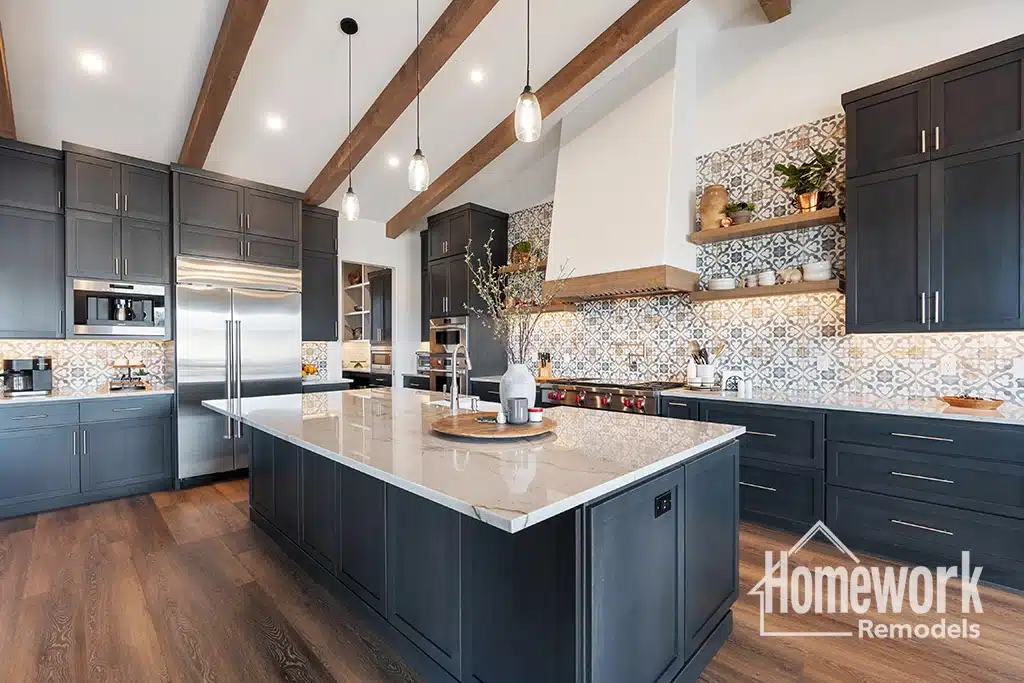
Cabinetry Finishes That Stand Up to Scottsdale’s Desert Heat
Cabinetry does more than define the look of a kitchen—it determines how well the space holds up over time. In Scottsdale homes, where sunlight is abundant and temperatures fluctuate dramatically throughout the year, cabinetry finishes must do more than look good in a showroom. They need to perform.
Many homeowners are surprised to learn that cabinet finish selection plays a major role in durability, comfort, and long-term satisfaction. Choosing cabinetry finishes that stand up to Scottsdale’s desert heat starts with understanding how materials react to light, temperature, and daily use—and why planning matters more than trends.
Why desert conditions affect cabinetry performance
Scottsdale’s climate presents unique challenges for interior finishes. Intense sunlight can cause fading, discoloration, or uneven aging over time. Temperature swings and low humidity can affect how materials expand, contract, and hold their finish.
Cabinetry is particularly vulnerable because it spans large surface areas and is used constantly. Without thoughtful selection and proper installation, finishes that look beautiful initially may show wear far sooner than expected.
Painted finishes versus stained finishes
Painted cabinetry remains popular for its clean, timeless appearance. However, not all painted finishes perform equally in desert environments. Lower-quality paint systems may fade or yellow when exposed to consistent sunlight.
High-quality, professionally applied finishes—especially those cured in controlled environments—tend to hold up far better. Neutral tones and softer whites often age more gracefully than ultra-bright or high-contrast colors in Scottsdale kitchens.
Stained finishes, on the other hand, showcase the natural character of wood and often hide minor wear more effectively. When paired with durable topcoats, stained cabinetry can perform exceptionally well in desert conditions while offering warmth and depth.
Wood species and stability matter
The type of wood beneath the finish matters just as much as the finish itself. Some species are more dimensionally stable than others, meaning they’re less likely to warp or shift with changes in temperature and humidity.
In Scottsdale homes, stable hardwoods and engineered cabinet components often outperform softer or less consistent materials. Proper construction techniques, including solid joinery and quality substrates, further protect cabinetry from long-term issues.
A common cabinetry problem—and how it’s avoided
A frequent issue arises when homeowners select cabinetry based solely on appearance. The problem often appears months later: subtle finish cracking, uneven aging near windows, or visible wear in high-use areas.
The solution is selecting finishes and materials that match the environment and the way the kitchen is used. In one Scottsdale kitchen, opting for a slightly warmer, mid-tone finish with a durable protective coating reduced glare from sunlight and maintained a consistent appearance throughout the space. The outcome was cabinetry that still looked intentional and refined years later.
This kind of foresight is easier to achieve when cabinetry decisions are made as part of a cohesive plan. Many homeowners benefit from understanding how a design-build remodeling process aligns material selection with layout, lighting, and long-term performance from the beginning.
Protective coatings and finish systems
Modern cabinet finishes rely on advanced coating systems designed to resist wear, moisture, and UV exposure. Conversion varnishes, catalyzed finishes, and factory-applied coatings often outperform site-applied alternatives.
In desert environments, these systems help protect cabinetry from fading and surface damage while maintaining a consistent sheen. Selecting the right finish system is just as important as choosing the right color or style.
Balancing durability with design
Durability doesn’t mean sacrificing aesthetics. Today’s cabinetry finishes offer a wide range of tones and textures that work beautifully in Scottsdale kitchens.
Soft neutrals, natural wood tones, and low-sheen finishes tend to complement desert-inspired palettes while minimizing glare. These choices often feel calmer and more timeless than high-gloss or overly bold options.
Cabinetry and the overall kitchen environment
Cabinet finishes don’t exist in isolation. Lighting, countertop materials, and window placement all influence how cabinetry appears throughout the day.
In Scottsdale kitchens with large windows or open layouts, finishes that look subtle in the morning may feel very different in the afternoon. Planning cabinetry within the context of the full kitchen design helps avoid mismatches and visual fatigue.
Reviewing examples of Scottsdale kitchen remodeling projects can help homeowners see how cabinetry finishes perform as part of a complete, well-balanced kitchen.
Long-term value and maintenance considerations
Cabinetry represents a significant portion of a kitchen remodel investment. Choosing finishes that age gracefully helps protect that investment and reduces the need for future refinishing or replacement.
Low-maintenance finishes that resist fingerprints, fading, and minor wear tend to provide greater long-term satisfaction—especially for homeowners planning to remain in their Scottsdale homes for years to come.
Moving forward with confidence
Selecting cabinetry finishes is about more than style—it’s about choosing materials that work with Scottsdale’s environment rather than against it. Thoughtful planning helps homeowners avoid premature wear, visual fatigue, and unnecessary maintenance.
If you’re evaluating cabinetry options as part of a kitchen remodel, learning what to expect during your first remodeling consultation can help you understand how finish selection fits into a carefully planned remodeling process.