
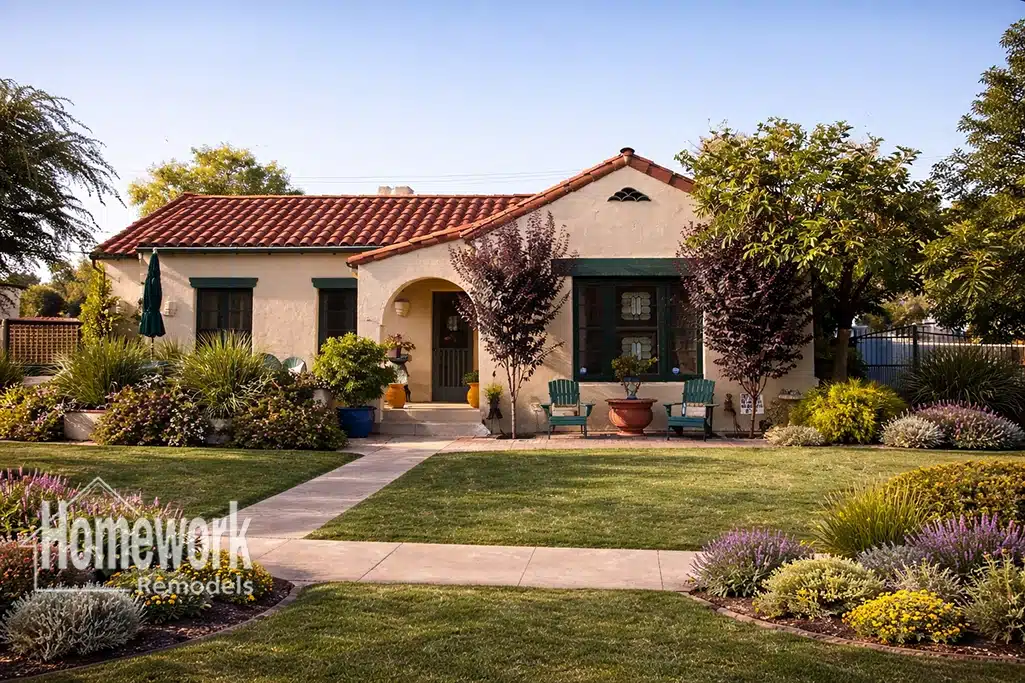
Encanto Palmcroft Historic Home Renovation: Preserving Character While Modernizing for Today
Encanto Palmcroft is one of Phoenix’s most treasured historic neighborhoods, known for its mature tree canopy, wide streets, and gracious homes dating primarily from the 1920s and 1930s. Spanish Colonial Revivals, Tudor-influenced residences, and early American Revival styles give the district its unmistakable charm. Yet while the architectural character remains timeless, the way families live inside these homes has changed dramatically.
Historic home renovation in Encanto Palmcroft is not about freezing a home in time. It is about understanding which elements must be preserved, which can be thoughtfully adapted, and how modern comfort can coexist with historic integrity. Homeowners who approach renovation with clarity—and the right team—often discover they have far more flexibility than expected.
Understanding What “Historic” Actually Means in Encanto Palmcroft
One of the most common misconceptions among Encanto Palmcroft homeowners is that historic designation applies equally to every aspect of the home. In reality, preservation oversight is primarily focused on what is visible from the public right-of-way. Exterior elevations, rooflines, window proportions, and street-facing materials matter greatly. Interior spaces, however, are typically not subject to historic review.
This distinction opens significant opportunities. Kitchens can be reconfigured, bathrooms modernized, and layouts improved without compromising the district’s historic character—so long as exterior changes are handled with care. Successful renovation begins by understanding where oversight applies and where homeowners have genuine freedom.
Structural Realities of 1920s and 1930s Construction
Homes in Encanto Palmcroft were built using construction methods very different from modern standards. Solid plaster walls, dimensional lumber framing, and early foundation systems create both challenges and advantages. Walls are often load-bearing in unexpected places, and ceiling heights may vary subtly from room to room.
Plaster, while durable and acoustically superior, complicates mechanical upgrades. Electrical rewiring and plumbing replacement require careful planning to minimize disruption. Floor systems may be level but not flat, reflecting craftsmanship of the era rather than modern tolerance standards.
These realities make renovation sequencing critical. Structural assessment must come before design decisions, and mechanical planning must be integrated early. This is where a design-build approach becomes especially valuable for historic homes.
Kitchens: The Heart of Modern Living, Reimagined
Original Encanto Palmcroft kitchens were designed for a different lifestyle—often smaller, enclosed, and separated from formal dining areas. Today’s homeowners typically want better flow, improved storage, and modern appliances while retaining architectural warmth.
Renovating a historic kitchen does not require erasing its identity. Cabinetry can echo period proportions while offering modern functionality. Layout changes can improve sightlines without fully eliminating walls. Materials such as natural stone, handmade tile, and custom millwork bridge old and new seamlessly.
The key decision tension many homeowners face is whether to prioritize layout transformation or preserve more of the original footprint. Both approaches can succeed when guided by thoughtful design rather than trend-driven impulse.
For homeowners exploring layout changes, reviewing options for removing load-bearing walls in historic homes early in the process helps set realistic expectations.
Bathrooms: Modern Comfort in Historic Footprints
Bathrooms in early 20th-century homes are often compact, with limited storage and dated plumbing infrastructure. Renovation provides an opportunity to dramatically improve comfort, accessibility, and durability.
However, expanding bathrooms is not always straightforward. Structural walls, window placements, and adjacent rooms limit options. Many successful renovations focus on improving function within the existing footprint—replacing tubs with walk-in showers, optimizing vanity layouts, and upgrading ventilation discreetly.
Aging-in-place considerations can be incorporated subtly, ensuring long-term usability without altering historic aesthetics. This balance between future planning and present authenticity is especially important in Encanto Palmcroft.
Whole-Home Planning Prevents Irreversible Mistakes
One of the most costly errors homeowners make is approaching renovation piecemeal. In historic homes, isolated upgrades can unintentionally limit future improvements or require rework later.
Whole-home planning does not mean renovating everything at once. It means understanding how systems, layouts, and finishes relate across the home. Plumbing upgrades for a bathroom remodel may affect kitchen planning. Electrical improvements may need to accommodate future lighting or HVAC upgrades.
Homeowners considering phased projects benefit from starting with a comprehensive plan, even if construction is staged. This approach preserves flexibility while avoiding unnecessary expense.
Learning more about whole-home remodeling planning in Phoenix’s historic neighborhoods can clarify how to sequence improvements wisely.
Additions and Exterior Sensitivity
Additions in Encanto Palmcroft are possible, but they require careful massing, placement, and design sensitivity. Rear additions are often the most appropriate, preserving the street-facing façade while expanding livable space.
Rooflines, window proportions, and materials must align with the original home’s character without resorting to imitation. The goal is compatibility, not replication. When done well, additions feel inevitable—almost as if they were always part of the home’s evolution.
Early coordination with the Historic Preservation Office and thoughtful architectural design are essential. Rushing this phase often leads to delays or redesigns.
Design-Build as a Risk-Reduction Strategy
Historic home renovation rewards integration. Design, engineering, permitting, and construction must work together from the beginning. A fragmented approach increases risk, particularly when unforeseen conditions arise—as they often do in older homes.
Design-build remodeling allows structural realities, budget considerations, and preservation requirements to be addressed holistically. Decisions are informed earlier, surprises are minimized, and outcomes align more closely with homeowner expectations.
Understanding the benefits of a design-build remodeling process is especially valuable for homeowners navigating historic renovations.
The Core Decision Tension: Preservation vs. Transformation
Every Encanto Palmcroft renovation ultimately revolves around a central question: how much change is appropriate? Some homeowners lean toward preservation, valuing authenticity above all. Others seek transformation that supports modern living while respecting architectural roots.
There is no universal answer. The right balance depends on lifestyle, long-term plans, and the specific characteristics of the home. What matters is making informed decisions—guided by experience rather than assumption.
When preservation and modernization are treated as partners rather than opponents, historic homes gain new life without losing their soul.
A Note for Homeowners…
Many of the questions raised in this article—around planning, cost, timing, and long-term outcomes—are part of a broader remodeling system that most homeowners aren’t shown upfront.
Our Core Guides were created to explain why remodeling often feels unpredictable and what actually brings clarity and stability before construction begins.
Call to Action
If you are considering a historic home renovation in Encanto Palmcroft, the most important step is starting with clarity. Thoughtful planning, neighborhood-specific expertise, and an integrated design-build approach can help you preserve what matters while upgrading what no longer serves you.
We invite you to schedule a free remodeling consultation to discuss your home, your goals, and the right path forward.