
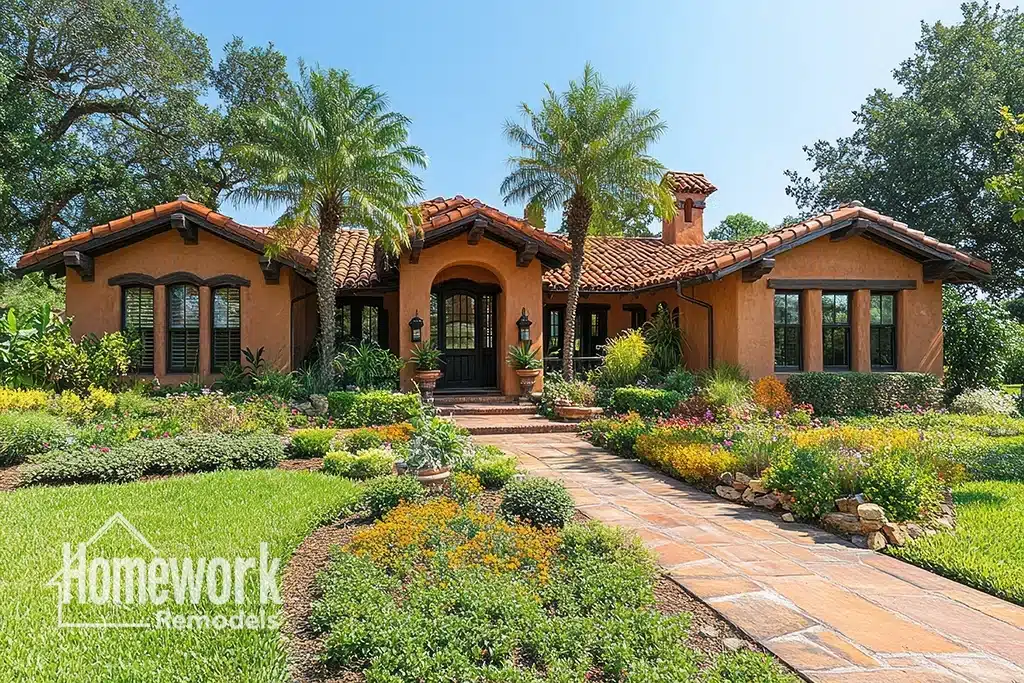
Historic Preservation Tips for Tempe Homeowners
Owning a historic home in Tempe often comes with a deep sense of pride—and a fair amount of uncertainty when it’s time to remodel. Homeowners want to improve comfort, safety, and functionality, but they also want to respect the character that made the home special in the first place. The challenge is knowing how to preserve wisely without freezing the home in time.
Successful preservation in Tempe isn’t about resisting change. It’s about understanding which elements carry architectural meaning, which upgrades can happen quietly, and how to plan improvements so they feel intentional rather than reactive.
Preservation Starts with Understanding, Not Assumptions
One of the most common mistakes homeowners make is assuming that “historic” means untouchable. In reality, preservation guidelines are often more nuanced than they appear. They focus primarily on protecting visible character—proportions, materials, rooflines, and street-facing elements—rather than dictating how a home must function inside.
Interior changes are frequently more flexible than homeowners expect. Kitchens, bathrooms, layouts, and systems can often be updated significantly without triggering preservation concerns, provided exterior impact is limited.
The key is replacing assumptions with clarity early in the planning process.
The Core Decision: Compliance vs. Creativity
Historic homeowners often feel caught between two extremes: rigid compliance or unchecked creativity. Neither leads to satisfying results.
Over-compliance can result in missed opportunities to improve livability. Over-creativity can create friction with review bodies, neighbors, or future buyers. The real goal lies between these poles—design solutions that are creative within the framework of preservation.
This decision tension shows up when homeowners consider changes like window upgrades, exterior doors, or additions. The question isn’t just “Is this allowed?” but “Is this appropriate—and worth it?”
Identify What Truly Matters Architecturally
Not every original element holds equal weight. In Tempe’s historic neighborhoods, certain features often define a home’s architectural identity more than others: façade symmetry, roof pitch, window proportions, or material textures.
Preservation-minded remodels begin by identifying these defining characteristics and treating them as anchors. Once those anchors are protected, there is often more freedom elsewhere.
This approach prevents the common pitfall of preserving everything indiscriminately—an approach that can make homes uncomfortable without meaningfully enhancing character.
Interior Upgrades Are Where Comfort Is Won
Many of the most impactful improvements in historic homes happen out of sight. Upgrading electrical systems, improving insulation, modernizing HVAC, and reworking plumbing can dramatically improve daily comfort without altering appearance.
Layout refinements—such as better kitchen flow or improved bathroom access—often deliver more value than cosmetic updates alone. These changes support modern living while allowing historic character to remain intact.
For homeowners weighing broader layout changes, understanding how whole-home planning applies to older structures can be helpful. Pages like Whole-Home Remodeling in Tempe offer context for coordinating systems, structure, and layout in a preservation-sensitive way.
Windows, Doors, and the Art of Subtle Improvement
Few elements generate more debate than windows and doors. Original components may be charming but inefficient, while replacements can risk altering a home’s visual language.
Preservation-minded solutions often involve repair, retrofit, or carefully selected replacements that match original proportions and profiles. Improving performance doesn’t have to mean changing appearance—but it does require patience and precision.
Homeowners who rush these decisions frequently regret them later, either due to denied approvals or aesthetic mismatch.
Additions Require Humility
When historic homes need more space, additions can be viable—but only when handled with restraint. Additions that compete with the original structure tend to feel forced, even if they technically meet guidelines.
Successful additions often sit quietly behind or beside the original home, stepping down in scale and deferring visually. Their purpose is to support modern living, not announce themselves.
This humility preserves both architectural integrity and neighborhood harmony.
Documentation and Sequencing Matter More Than Design Flourishes
In preservation-focused remodels, process matters. Clear documentation, accurate drawings, and thoughtful sequencing can prevent delays that derail projects emotionally and financially.
Homeowners who invest time upfront—clarifying scope, intent, and constraints—tend to experience smoother reviews and fewer mid-project surprises. Those who rely on improvisation often encounter costly revisions.
Preservation rewards preparation.
Long-Term Livability Is the Ultimate Goal
Preserving a historic home doesn’t mean living with discomfort indefinitely. Homes that remain difficult to use often face more drastic alterations later—or fall into disrepair.
Thoughtful upgrades that support daily life help ensure historic homes remain loved and maintained. In that sense, livability is a form of preservation.
Remodels that balance comfort with character tend to stand the test of time far better than those that prioritize one at the expense of the other.
Preservation Is Stewardship, Not Limitation
Historic homes contribute to Tempe’s identity. Remodeling them responsibly is less about restriction and more about stewardship—making decisions that respect the past while supporting the future.
For homeowners planning projects in historic neighborhoods, grounding decisions in the broader context of home remodeling in Tempe, AZ can help clarify what’s possible and what’s worth protecting.
Let’s Plan Improvements That Honor the Past—and Support the Present
If you’re considering remodeling a historic home in Tempe, the most valuable step is thoughtful planning. Understanding what preservation really requires—and where flexibility exists—can transform uncertainty into confidence.
Sschedule a free remodeling consultation with our design-build team. We’ll help you evaluate possibilities, constraints, and next steps so you can move forward with clarity.