
Home Additions in F.Q. Story Historic District: Expanding Homes Without Losing Character While Preserving Historic Architecture
The F.Q. Story Historic District is one of Phoenix’s most architecturally rich neighborhoods. Located just west of Downtown Phoenix, the district features beautifully preserved homes built during the early growth of the city in the 1920s and 1930s. Walking through the neighborhood reveals a wide range of historic architectural styles, including Spanish Colonial Revival, Tudor Revival, Bungalow, and early Ranch homes. Mature trees line the streets, and the neighborhood’s character reflects a deep appreciation for preserving Phoenix’s architectural heritage.
For many homeowners, living in the F.Q. Story Historic District means becoming a steward of history. These homes carry distinctive details that cannot easily be replicated today—arched doorways, handcrafted plaster walls, decorative tilework, and intricate trim details that reflect the craftsmanship of another era. Yet even the most charming historic homes must adapt to modern living. Families grow, technology changes daily routines, and homeowners often need additional space to support contemporary lifestyles.
Rather than leaving the neighborhood they value, many residents choose to expand their homes while preserving their historic character. Homeowners often begin by exploring options for home remodeling in the F.Q. Story Historic District, which helps reveal how additions can be designed in ways that complement the home’s original architecture.
When homeowners begin researching home additions in the F.Q. Story Historic District, the goal is typically to gain additional living space while maintaining the historic appearance of the property. Because the district values architectural preservation, successful additions are usually designed to remain secondary to the original structure. This often means placing additions toward the rear of the home or designing them in ways that respect the scale and proportions of the historic architecture.
One of the most common reasons homeowners expand homes in F.Q. Story is the need for larger kitchens and gathering spaces. Many homes built during the early 20th century were designed with smaller kitchens that reflected the lifestyle of that era. Today, kitchens often serve as the center of family life, making additional space highly desirable. Expanding the rear of the home can create a larger kitchen and dining area while preserving the historic façade that defines the home’s street presence.
When homeowners pursue these improvements, they sometimes combine additions with interior layout updates that improve flow between rooms. Projects such as open-concept remodeling in F.Q. Story can help connect living spaces while maintaining the architectural character of the home. Carefully removing interior walls can allow rooms to feel more open while preserving historic details such as arched openings, wood trim, and original flooring.
Another common motivation for additions is creating a more comfortable primary suite. Many historic homes were built with modest bedrooms and limited closet space compared with modern expectations. Expanding the rear portion of the home can create a larger primary bedroom, updated bathroom, and improved storage. These additions are typically designed to blend seamlessly with the original architecture while remaining subtle from the street view.
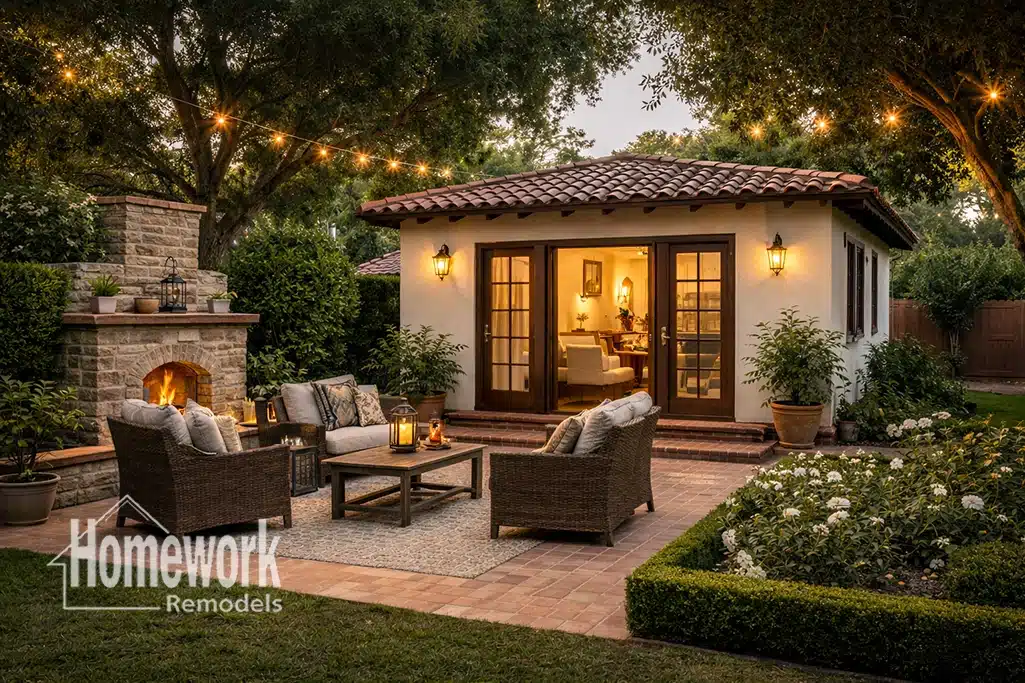
Guest accommodations are also a frequent reason homeowners expand historic homes. Phoenix’s mild winter climate makes the city a popular destination for visiting friends and family. Some homeowners choose to add guest suites connected to the main home, while others explore flexible living options such as casita and ADU additions in F.Q. Story. These additions provide independent living spaces while maintaining the historic charm of the property.
While gaining additional square footage is often the goal, successful additions in historic neighborhoods must carefully preserve the architectural integrity of the home. Matching exterior materials, rooflines, window styles, and proportions is essential. Many F.Q. Story homes feature stucco finishes, decorative tile accents, wood windows, and distinctive rooflines. A thoughtful addition respects these architectural elements so the new space feels like a natural continuation of the original home.
Planning an addition in a historic district also involves careful coordination with local preservation guidelines. Structural engineering, building codes, and permitting requirements must all be considered before construction begins. Addressing these considerations early in the planning process helps ensure that the expansion respects both the home itself and the character of the neighborhood.
Because historic remodeling requires both architectural sensitivity and construction expertise, many homeowners prefer working with a design-build remodeling team. In a design-build process, designers and builders collaborate from the earliest stages of planning. This integrated approach allows homeowners to explore creative ideas while maintaining a clear understanding of costs, structural considerations, and construction timelines. Homeowners who want to learn more about this process can explore design-build remodeling for historic homes.
In some cases, homeowners who initially plan a small addition later discover that a broader renovation may create a more cohesive result. Expanding one area of the home can reveal opportunities to improve other spaces as well. Projects such as whole-home remodeling in F.Q. Story allow homeowners to thoughtfully update historic homes while preserving their architectural heritage.
For residents of the F.Q. Story Historic District, expanding a home is not simply about gaining square footage. It is about balancing preservation with modern comfort. When additions are designed with care and respect for the original architecture, they enhance the home while honoring the neighborhood’s rich history.
If you would like to see how other homeowners have experienced their remodeling journey, you can read these client remodeling testimonials. When you are ready to explore ideas for expanding your F.Q. Story Historic District home, you can also schedule a consultation.