
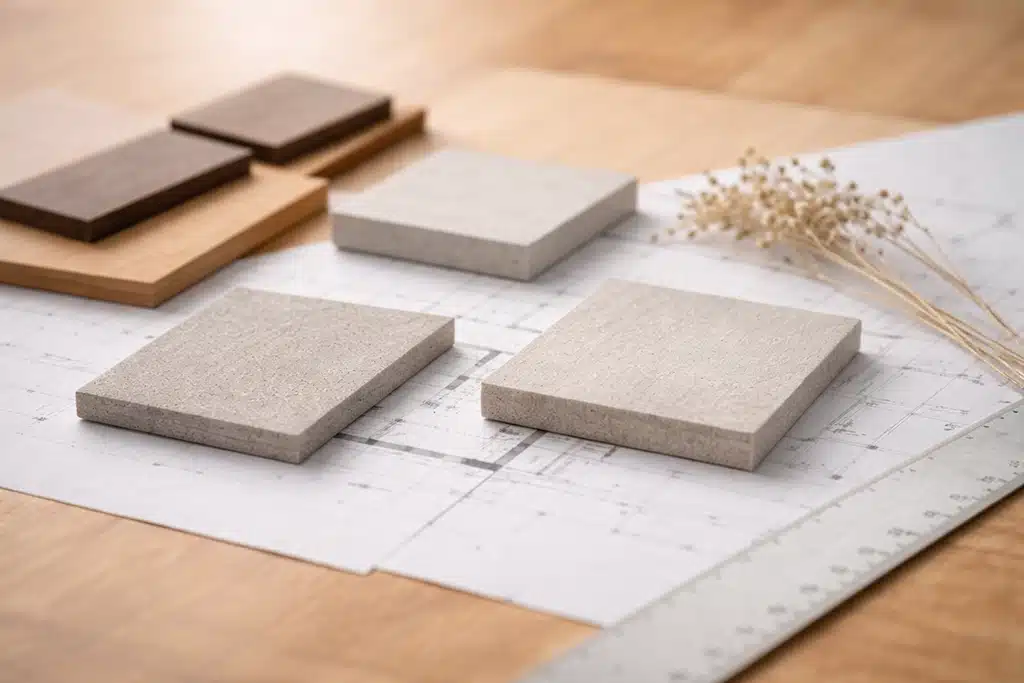
Why More Options Can Make Remodeling Harder
At the beginning of a remodel, homeowners often equate choice with control. The more options available—layouts, materials, finishes, features—the more confident the process feels. Choice signals freedom. It suggests flexibility. It implies that the “right” answer will eventually reveal itself if enough possibilities are explored.
But as a project progresses, that same abundance of options often becomes the source of stress, delay, and second-guessing. What once felt empowering starts to feel heavy. Decisions stall. Confidence erodes. Remodeling becomes mentally exhausting rather than exciting.
Understanding why this happens is essential to creating a calmer remodeling experience.
The Myth That More Choices Lead to Better Outcomes
The belief that more options automatically produce better results is deeply ingrained. In many areas of life, choice is associated with personalization and satisfaction. Remodeling, however, operates under very different conditions.
Every remodeling decision is interconnected. Selecting a layout affects structure. Structural decisions affect budget. Budget affects material options. Material choices affect timelines and sequencing. As the number of available options increases, so does the complexity of evaluating their consequences.
Instead of clarity, homeowners experience cognitive overload. Decisions no longer feel independent. They feel risky. The pressure to choose “correctly” grows, even when there may be no single right answer.
Decision Fatigue Is Real—and Remodeling Intensifies It
Decision fatigue occurs when the quality of decisions declines after making too many choices in succession. Remodeling creates an ideal environment for this effect.
Unlike choosing décor items or consumer products, remodeling decisions are cumulative and often irreversible. Once construction begins, reversing a choice can be costly, disruptive, or impossible. That permanence adds emotional weight to every decision, making even minor selections feel consequential.
As fatigue sets in, homeowners may delay decisions, default to the safest option, or lean heavily on outside opinions. While understandable, these reactions rarely restore confidence. They often increase uncertainty instead.
Why Open-Ended Choices Increase Anxiety Over Time
Early in a project, open-ended exploration feels appropriate. Homeowners want to understand what’s possible. The problem arises when exploration continues without structure or resolution.
When nothing feels settled, homeowners remain mentally “on call.” Every new idea introduces the possibility that a better option exists just beyond reach. Progress slows because committing feels risky. Moving forward feels like closing doors rather than gaining clarity.
Instead of feeling creative, homeowners feel exposed. Instead of feeling flexible, they feel stuck in a loop of evaluation.
Structured Decisions Don’t Limit Creativity—They Protect It
A common misconception is that structure limits creativity. In remodeling, structure actually enables it.
When decisions are sequenced intentionally—resolving major variables before minor ones—homeowners gain clarity about what truly matters. Boundaries narrow the field of options, allowing deeper exploration within a defined framework. Choices become comparisons rather than guesses.
This is not about rushing decisions. It’s about making them in the right order, with the right information, at the right time.
The Core Guide How Remodeling Decisions Create (or Destroy) Peace of Mind explains how decision sequencing, context, and timing directly influence a homeowner’s emotional experience throughout a remodel.
The Hidden Cost of Indecision
Indecision doesn’t just delay a project. It quietly introduces risk.
When decisions are postponed, they tend to resurface later—when timelines are tighter and budgets are already committed. What could have been a calm, exploratory discussion becomes a pressured choice with limited alternatives. Costs feel like penalties instead of tradeoffs.
In many cases, homeowners later realize that the most stressful moments weren’t caused by construction challenges. They were caused by carrying too many unresolved decisions for too long.
Why Confidence Comes From Understanding, Not Endless Options
Homeowners don’t actually want unlimited choice. They want confidence.
Confidence comes from understanding how decisions affect outcomes and knowing when enough information has been gathered. When homeowners understand why certain options are presented—and why others are eliminated—choices feel purposeful rather than overwhelming.
This understanding reduces second-guessing. Decisions feel supported instead of isolating. Progress feels intentional rather than rushed.
The Role of Process in Reducing Overwhelm
A clear decision-making process acts as a stabilizing force. It provides context, prioritization, and pacing. Instead of facing dozens of choices at once, homeowners engage with decisions in manageable stages.
This is one of the quiet advantages of a design-build approach. Decisions are guided, contextualized, and timed to minimize unnecessary strain. Homeowners are not expected to evaluate everything at once or without support.
Reclaiming Peace of Mind During a Remodel
A calm remodeling experience isn’t achieved by eliminating decisions. It’s achieved by making them in the right order, with the right level of information, and within clear boundaries.
When homeowners stop equating “more options” with “better outcomes,” they regain a sense of control. Decisions feel lighter. Progress feels real. The remodel becomes a guided process rather than an ongoing test of endurance.
At Homework Remodels, decision-making is treated as part of the design itself. The goal isn’t to present endless choices—it’s to help homeowners move through them with clarity, confidence, and peace of mind.
Remodeling doesn’t have to feel uncertain. Each Core Guide explains one part of the remodeling process clearly—so you can understand what’s happening, why it matters, and how informed decisions shape calmer outcomes over time.
Explore the Core Guides to see the full homeowner framework.