
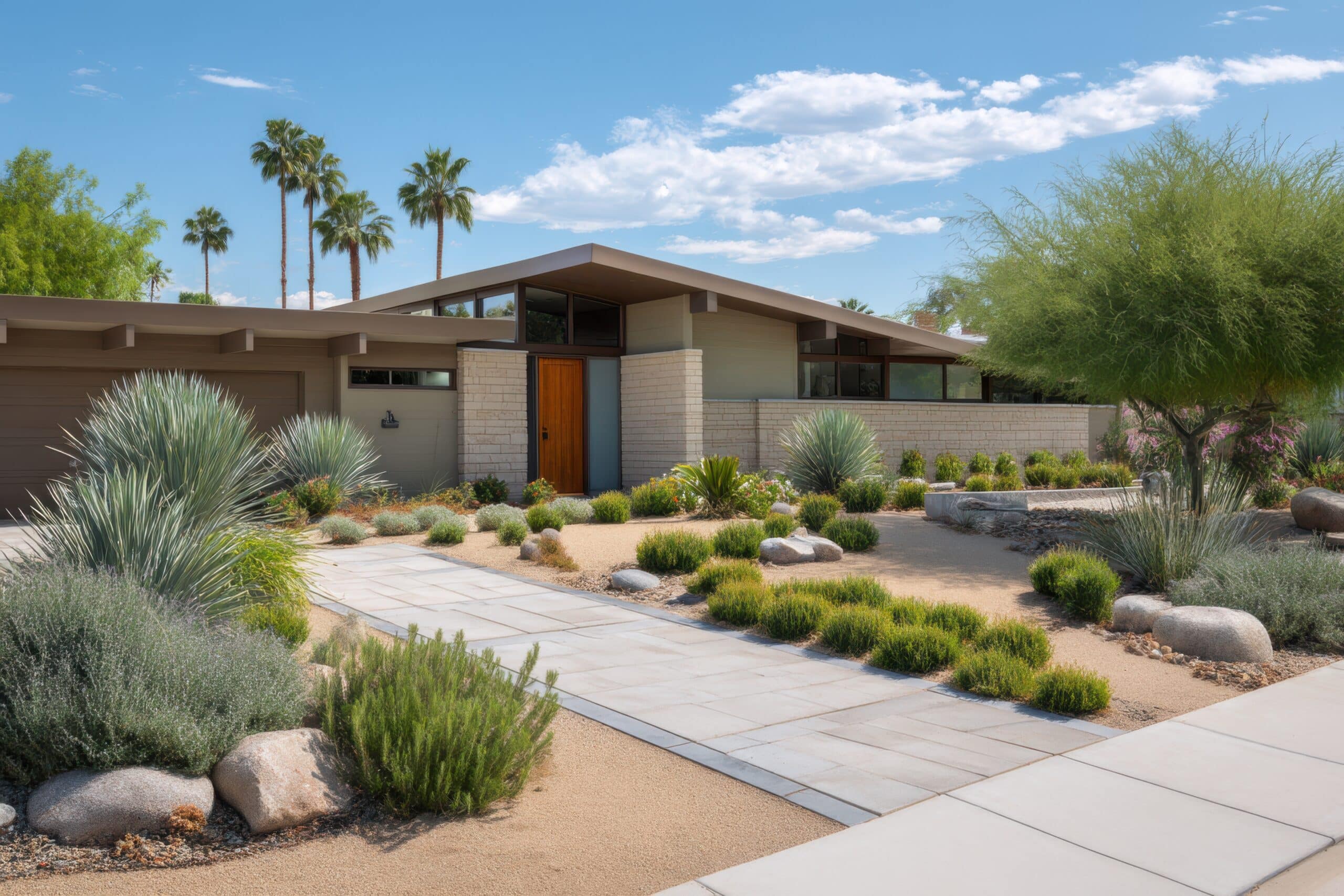
How Homework Remodels Enhances Tempe’s Neighborhoods
Remodeling doesn’t happen in isolation. Every project becomes part of a larger neighborhood story—affecting streetscapes, property relationships, and how homes evolve over time. In Tempe, where neighborhoods are distinct and closely knit, the way remodeling is approached matters as much as the outcome itself.
Enhancing a neighborhood isn’t about uniformity or grand gestures. It’s about making decisions that respect context, improve livability, and allow homes to age well alongside their surroundings. This perspective shapes how thoughtful remodeling contributes positively—not just to individual homes, but to Tempe’s neighborhoods as a whole.
Neighborhoods Are More Than a Backdrop
Tempe neighborhoods aren’t interchangeable. Each one reflects a specific era, scale, and rhythm. Some value continuity. Others accommodate evolution. Successful remodeling begins by recognizing these differences.
Projects that ignore neighborhood context often feel disruptive, even when well-executed technically. Those that respond to it—through proportion, placement, and material choice—tend to feel natural and welcomed.
Enhancement starts with awareness.
The Core Decision: Individual Goals vs. Collective Fit
Homeowners naturally focus on personal needs: comfort, functionality, and future plans. But remodeling in a neighborhood setting introduces a parallel consideration: How does this change fit within the larger environment?
This isn’t about sacrificing personal goals. It’s about translating them into solutions that work both privately and publicly. Homes that achieve this balance often feel more satisfying to live in—and more resilient over time.
Neighborhood-sensitive planning helps avoid overcorrection.
Planning First Protects Neighborhood Character
One of the most effective ways to enhance neighborhoods is to plan thoroughly before building. Early planning clarifies what’s possible, what’s appropriate, and where restraint serves everyone best.
This includes understanding setbacks, massing expectations, visibility from the street, and how additions relate to adjacent homes. When these factors are resolved early, projects move forward with fewer revisions and less friction.
Clarity protects character.
Scale and Proportion Matter More Than Style
Neighborhood cohesion is rarely about matching styles. It’s about scale and proportion.
A modern home can fit comfortably among traditional neighbors if its massing, height, and orientation feel appropriate. Conversely, a stylistically “compatible” home can feel out of place if it overwhelms its lot.
Enhancing neighborhoods often means getting the big moves right—before refining details.
Remodeling as Stewardship
Homes don’t just serve current owners—they carry forward into the next chapter. Remodeling decisions made today influence how homes function, look, and feel years from now.
Projects that focus on long-term livability—durable materials, flexible layouts, and efficient systems—tend to support neighborhood stability. Homes that require frequent correction or dramatic updates can introduce visual and functional churn.
Stewardship favors longevity over novelty.
Coordinated Design Reduces Visual Noise
Neighborhoods benefit when remodels feel composed rather than piecemeal. Uncoordinated updates—different eras layered without resolution—can create visual noise that detracts from the street as a whole.
Integrated planning helps align architecture, structure, and finishes into a cohesive result. Even modest projects feel more substantial when decisions are coordinated rather than reactive.
Cohesion enhances perception.
Respecting What’s Already Working
Not every remodel needs to be transformative. Sometimes enhancement comes from refining what already works—improving comfort, correcting inefficiencies, or clarifying circulation without altering the home’s fundamental presence.
Neighborhoods often benefit more from thoughtful refinement than from dramatic reinvention.
Knowing when not to change something is as important as knowing when to act.
Additions That Feel Intentional
When homes need more space, additions can either enhance or disrupt neighborhood character. Scale, placement, and transitions all matter.
Additions that step back, align with existing forms, and maintain visual hierarchy tend to feel intentional. Those that dominate the original structure often feel abrupt.
Neighborhood enhancement depends on these choices.
Interior Improvements Still Affect the Exterior
Even interior-focused remodels influence neighborhoods indirectly. Changes to windows, doors, or circulation can alter how a home engages with the street and adjacent properties.
Thoughtful planning considers these ripple effects, ensuring interior improvements don’t inadvertently undermine exterior relationships.
Homes exist in dialogue with their surroundings.
A Neighborhood-by-Neighborhood Mindset
Enhancement isn’t achieved through a single formula. Each Tempe neighborhood calls for a slightly different approach based on era, density, and community expectations.
Understanding these nuances helps homeowners make decisions that feel right—not just for their house, but for where they live.
For homeowners exploring how their project fits into the larger picture, grounding decisions in the broader context of home remodeling in Tempe, AZ can help align personal goals with neighborhood realities.
Small Decisions Add Up
Neighborhood character is shaped incrementally—one project at a time. Thoughtful remodeling contributes to streets that feel cohesive, comfortable, and cared for.
When homeowners prioritize clarity, restraint, and long-term thinking, the cumulative effect strengthens the entire community.
Remodeling That Feels at Home
Enhancing Tempe’s neighborhoods isn’t about making statements. It’s about making homes feel like they belong—supporting modern life while respecting place.
That balance creates neighborhoods that evolve gracefully rather than abruptly.
Let’s Plan Your Remodel with Clarity
If you’re thinking about remodeling your home in Tempe, the most valuable first step is a clear, pressure-free conversation. Understanding your goals, your neighborhood context, and your home’s potential before design begins helps ensure decisions feel confident—not rushed.
If you’d like to explore your options, you can schedule a free remodeling consultation with our design-build team. We’ll help you evaluate possibilities, constraints, and next steps so you can move forward with clarity.