
How Local Architecture Influences Remodeling Decisions
In Tempe, remodeling decisions rarely exist in a vacuum. Homes here are shaped by era, climate, neighborhood patterns, and long-standing architectural logic. Whether a house was built in the 1930s, the post-war boom, or the late twentieth century, its original design continues to influence what works—and what doesn’t—decades later.
Understanding how local architecture affects remodeling decisions is one of the most overlooked steps in planning. Homeowners often focus on inspiration images or isolated features without first asking a more fundamental question: What was this house designed to do, and how does that still matter today?
Architecture Is More Than Style
When people hear “architecture,” they often think of aesthetics—roof shapes, window styles, exterior materials. In reality, architecture runs deeper. It dictates structure, proportion, circulation, light, and how spaces relate to one another.
In Tempe, architecture is closely tied to climate and growth patterns. Many homes were designed to manage heat, control light, and encourage outdoor living long before modern mechanical systems existed. Those design choices still shape remodeling outcomes.
Ignoring architectural intent doesn’t make it disappear. It usually makes remodeling harder—and more expensive.
The Core Decision: Personal Preference vs. Architectural Logic
Nearly every homeowner reaches a point where desire and reality collide. A layout looks great online, but feels awkward in the actual house. A feature seems appealing, but clashes with proportions or structure.
This creates a central decision tension: Do we force the house to follow our preferences, or do we let architectural logic guide our choices?
The most successful remodels don’t ignore personal taste—but they interpret it through the lens of the home’s architecture. This approach produces spaces that feel natural rather than imposed.
Why Era Matters in Remodeling
Tempe’s neighborhoods span multiple architectural eras, each with distinct implications for remodeling.
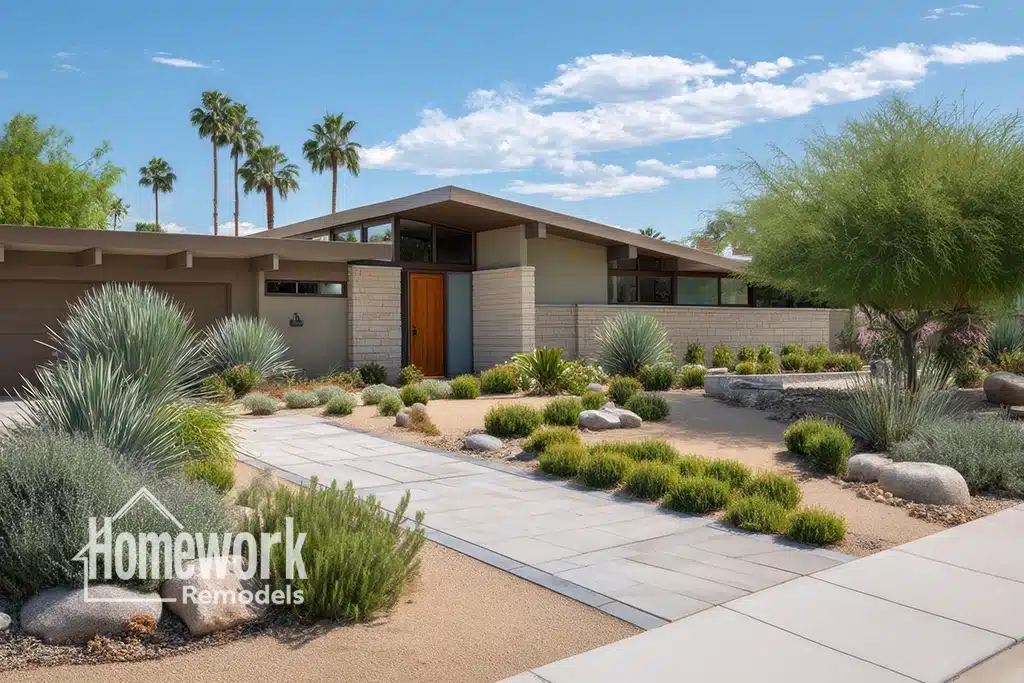
Older homes often emphasize defined rooms, smaller windows, and compact footprints. Mid-century homes favor horizontality, indoor-outdoor flow, and structural simplicity. Later homes may offer more space but introduce inefficiencies or awkward layouts.
Each era responds differently to change. A solution that works beautifully in one type of home may fail entirely in another. Remodeling decisions that respect era-specific logic tend to feel more cohesive—and age more gracefully.
Structure Sets the Boundaries
Architecture isn’t just visual—it’s structural. Load paths, roof systems, and foundation types all influence what can be changed and how.
In many Tempe homes, structural walls sit at the heart of the layout. Removing them without understanding their role can lead to compromised ceiling lines, visible beams, or costly retrofits.
Design decisions that align with existing structure often result in cleaner outcomes. Those that fight it tend to reveal the conflict visually.
This is especially true when homeowners consider opening layouts. Resources like Open Concept Home Remodeling in Tempe help illustrate how architectural context shapes where openness works—and where it doesn’t.
Proportion Is the Silent Influencer
Proportion is one of the least discussed—and most important—architectural factors. Ceiling heights, room widths, window sizes, and circulation paths all work together to create balance.
When remodels ignore proportion, spaces can feel uncomfortable even if finishes are high-end. Oversized features in modest homes often feel out of place. Undersized updates in larger homes can feel timid.
Architecture provides a framework for proportion. Working within it helps spaces feel intentional rather than arbitrary.
Light, Climate, and Orientation Matter in Tempe
Tempe’s climate has always influenced architecture. Homes were oriented to manage sun exposure, encourage shade, and promote airflow. Remodeling decisions that ignore these factors often create new problems—glare, overheating, or underused spaces.
Architectural awareness helps homeowners decide where to add windows, how to manage transitions, and which spaces should connect to the outdoors.
Designing with climate in mind isn’t restrictive—it’s practical.
Neighborhood Context Shapes Expectations
Architecture doesn’t stop at the property line. Neighborhood patterns influence how remodels are perceived and how well they hold value.
Homes that feel aligned with their surroundings tend to age better than those that stand apart visually. This doesn’t require uniformity—but it does require awareness.
In Tempe, neighborhoods often share scale, rhythm, and setbacks. Remodels that respect those patterns tend to feel more grounded and enduring.
Architecture as a Planning Tool, Not a Limitation
When homeowners treat architecture as a constraint, remodeling can feel frustrating. When they treat it as a guide, decisions often become clearer.
Architecture helps prioritize what matters, identify where flexibility exists, and avoid changes that look good temporarily but feel wrong long-term.
This perspective shifts remodeling from a series of isolated choices to a cohesive planning process.
For homeowners weighing decisions across different neighborhoods, understanding the broader context of home remodeling in Tempe, AZ can help frame expectations and avoid common missteps.
Long-Term Value Favors Architectural Alignment
Remodels that align with architectural logic tend to feel timeless. They don’t chase trends—they refine what already works.
Buyers and long-term owners alike respond to homes that feel coherent. Even when they can’t articulate why, they sense when a remodel makes sense for the house.
That coherence is rarely accidental.
Architecture Leads to Better Decisions
Local architecture isn’t something to work around—it’s something to work with. In Tempe, homes tell a story about when they were built, how they were meant to function, and how they respond to place.
Listening to that story before remodeling leads to better outcomes, fewer regrets, and spaces that feel right for decades to come.
Let’s Plan Your Remodel with Clarity
If you’re thinking about remodeling your home in Tempe, the most valuable first step is a clear, pressure-free conversation. Understanding your home, your neighborhood, and your long-term goals before design begins helps avoid costly surprises and ensures decisions feel confident—not rushed.
If you’d like to explore your options, you can schedule a free remodeling consultation with our design-build team. We’ll help you evaluate possibilities, constraints, and next steps so you can move forward with clarity.