
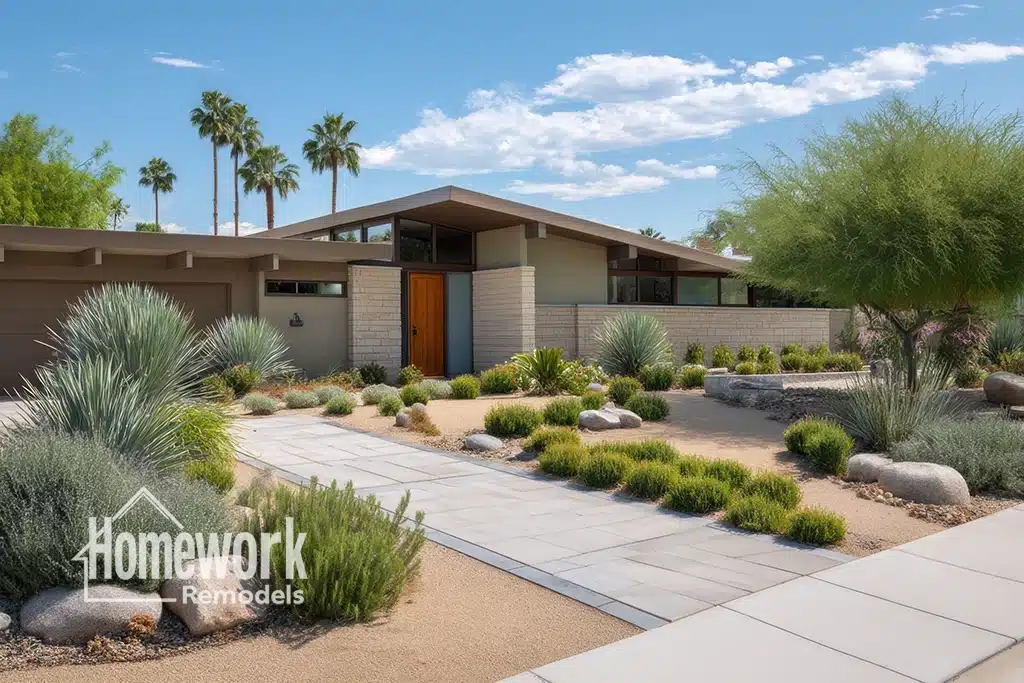
Optimizing Homes Near ASU for Style and Function
Homes located near Arizona State University occupy a unique position in Tempe’s residential landscape. These neighborhoods sit at the intersection of long-term ownership, short-term use, and constant change. For homeowners, this creates a distinct remodeling challenge: how do you improve style, comfort, and function today without limiting future flexibility—or undermining long-term value?
Unlike purely residential pockets of Tempe, ASU-adjacent areas demand a broader planning lens. Homes here are influenced not just by architecture and lifestyle, but by proximity, density, and evolving use patterns. Remodels that succeed in this context are rarely flashy. Instead, they are strategic, adaptable, and quietly durable.
Why ASU-Proximate Homes Require a Different Planning Mindset
The first thing homeowners notice when planning a remodel near ASU is variability. Some streets are dominated by long-term owner-occupants, while others include rentals, multigenerational households, or transitional use. Even when a homeowner has no intention of renting, resale and adaptability matter more here than in many other Tempe neighborhoods.
This variability affects design decisions from the start. Layouts that are overly specialized can feel limiting later. Materials that look great but wear poorly can become liabilities. And additions or reconfigurations that ignore parking, privacy, or noise can create daily friction.
The most effective remodels acknowledge that homes near ASU often live more than one life. Planning for that reality doesn’t reduce comfort—it protects it.
The Core Decision: Personal Customization vs. Future Adaptability
Homeowners near ASU often face a defining tension: Should this remodel reflect exactly how we live now, or should it anticipate future users and scenarios?
That question shows up everywhere. In bedroom layouts. In bathroom access. In whether a home office becomes a flexible guest room. In how kitchens connect—or don’t connect—to shared spaces.
Designing exclusively for one lifestyle can feel satisfying in the short term, but it may limit options later. On the other hand, designing with adaptability in mind doesn’t mean sacrificing personality. It means prioritizing layouts that can evolve without major reconstruction.
This is especially important for homeowners who expect to stay for several years but recognize that circumstances change—children grow, work patterns shift, or ownership transitions occur.
Layout Decisions That Support Multiple Use Cases
Many ASU-area homes were built with compact, segmented layouts. Remodeling often begins with a desire to improve flow, light, and usability. The challenge is doing so without creating spaces that feel too open—or too exposed—for everyday living.
Thoughtful layout optimization often focuses on zones rather than full openness. Creating visual connection while maintaining acoustic and functional separation can make a home more livable for a wider range of occupants.
Bedrooms placed near living areas may benefit from improved sound buffering. Secondary entrances can support privacy and flexibility without advertising separate-use potential. Kitchens can be designed to feel social without becoming thoroughfares.
For homeowners considering structural changes, understanding how openness plays out in older Tempe homes can be helpful. Pages like Open Concept Home Remodeling in Tempe provide broader context for evaluating these tradeoffs thoughtfully.
Durability Matters More Than Decoration
In ASU-adjacent neighborhoods, finishes aren’t just about appearance—they’re about performance. Even owner-occupied homes experience higher daily use, more foot traffic, and more wear than homes in quieter areas.
This doesn’t mean sacrificing aesthetics. It means choosing materials that age gracefully. Flooring that can be refinished rather than replaced. Cabinetry with durable finishes and repairable components. Fixtures that are easy to maintain without constant attention.
When durability is prioritized early, the home remains comfortable and attractive without demanding frequent updates. That stability is a form of luxury in high-activity environments.
Kitchens as Anchors, Not Showpieces
Kitchens near ASU often function as true hubs. They support daily routines, informal gatherings, and flexible use. Remodels that focus too heavily on visual impact can overlook how these kitchens are actually used.
Successful kitchen remodels in these neighborhoods tend to emphasize workflow, storage efficiency, and lighting rather than oversized islands or decorative statements. Appliances are selected for reliability and usability. Storage is designed to be intuitive rather than hidden behind complex mechanisms.
The result is a kitchen that works consistently, regardless of who is using it—or how the home evolves over time.
Bathrooms, Privacy, and Practical Comfort
Bathrooms in older ASU-area homes are often undersized or awkwardly located. Remodeling presents an opportunity to improve comfort, but privacy and access need careful consideration.
Shared bathrooms that serve both public and private spaces can create daily friction. Reconfiguring circulation—even slightly—can dramatically improve usability without increasing square footage.
Ventilation, lighting, and storage upgrades also play an outsized role here. These improvements enhance comfort while remaining invisible, which is often preferable in homes where flexibility matters.
Parking, Access, and the Reality of Proximity
Proximity to ASU brings energy—but it also brings practical considerations. Parking, alley access, and entry placement influence daily life more here than in many Tempe neighborhoods.
Remodels that ignore these realities can feel frustrating quickly. Conversely, projects that subtly improve access—through better driveways, clearer entries, or improved transitions—tend to feel more functional without drawing attention to themselves.
These decisions rarely appear on inspiration boards, but they have a lasting impact on livability.
Long-Term Value Comes From Planning, Not Prediction
Trying to predict exactly how a home near ASU will be used in ten or fifteen years is nearly impossible. What is possible is planning for flexibility.
Homes that hold their value best in these neighborhoods are those that feel well-considered rather than over-designed. They adapt gracefully to new owners, new uses, and new expectations without requiring major reinvention.
For homeowners weighing remodeling decisions near ASU, understanding how this area fits into the broader picture of home remodeling in Tempe, AZ can provide useful perspective. Neighborhood-aware planning consistently leads to better outcomes.
Let’s Plan a Remodel That Works Today—and Tomorrow
If you’re considering remodeling a home near ASU, clarity matters more than ambition. Defining priorities early—comfort, durability, flexibility—allows design decisions to support your lifestyle now while protecting options later.
Sschedule a free remodeling consultation with our design-build team. We’ll help you evaluate possibilities, constraints, and next steps so you can move forward with clarity.