
Paradise Valley · Whole-Home Interior
A home brought together,
room by room.
An open kitchen and dining room, coordinated bathrooms, and a reworked primary suite transform how this Paradise Valley home looks, feels, and functions.
Residential Interior Remodel · Over $500,000
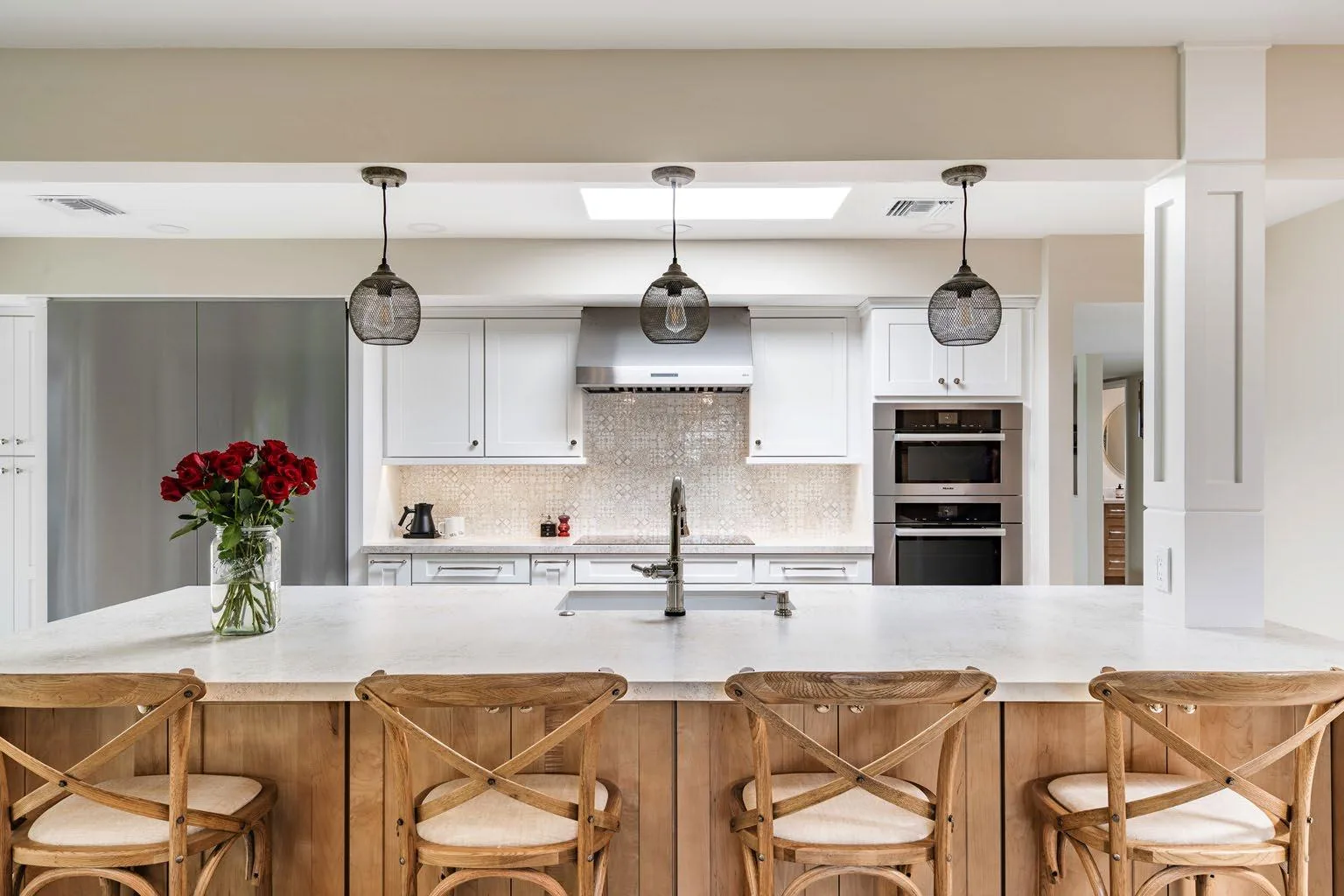
Whole-home interior renovation
bathrooms, primary suite, and storage
mechanical coordination, and plumbing replacement
The homeowners began with a two-phase plan. Deciding to move out during construction opened the way to remodel the interior together.
This Paradise Valley whole-home remodel developed over several years of planning. The priorities were personal and practical: a kitchen for a homeowner who cooks nightly, a primary bathroom planned for aging in place, and a consistent design across the rooms they used every day.
Completing the work as one interior renovation allowed the team to coordinate changes that crossed room boundaries. Removing a kitchen wall affected the dining room, pantry, and structural plan. Closet improvements depended on bathroom layouts and mechanical work. New flooring and finishes needed to connect spaces without making every room identical.
Opening the plan · Before and after
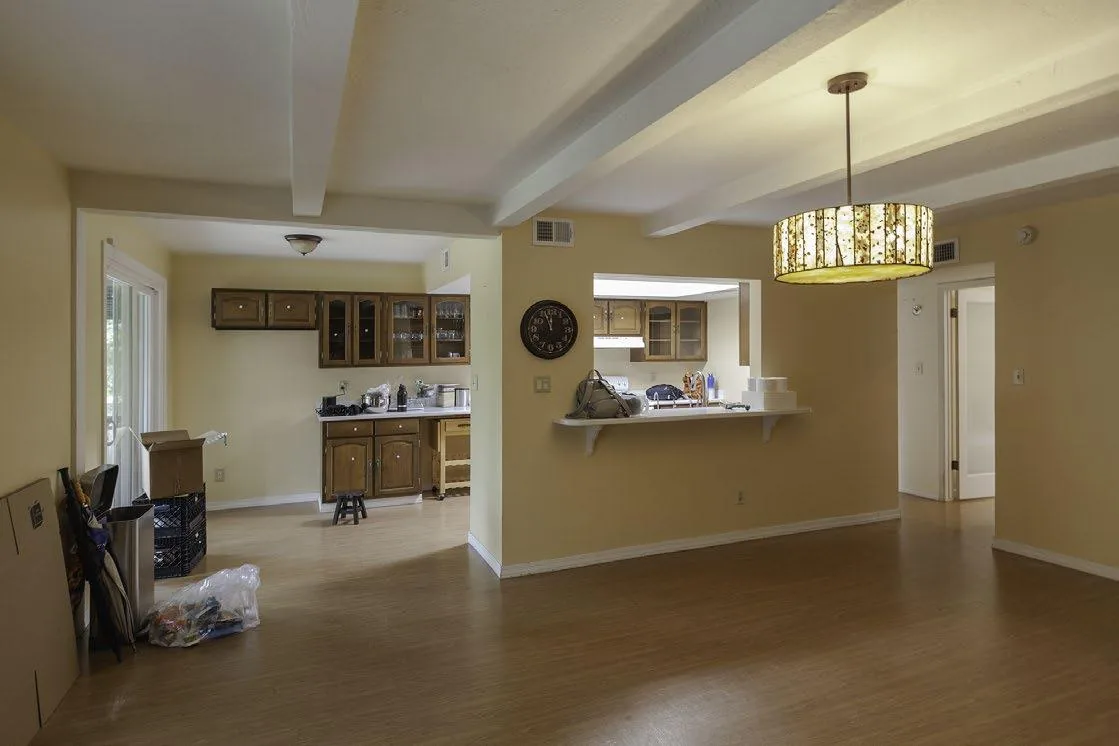
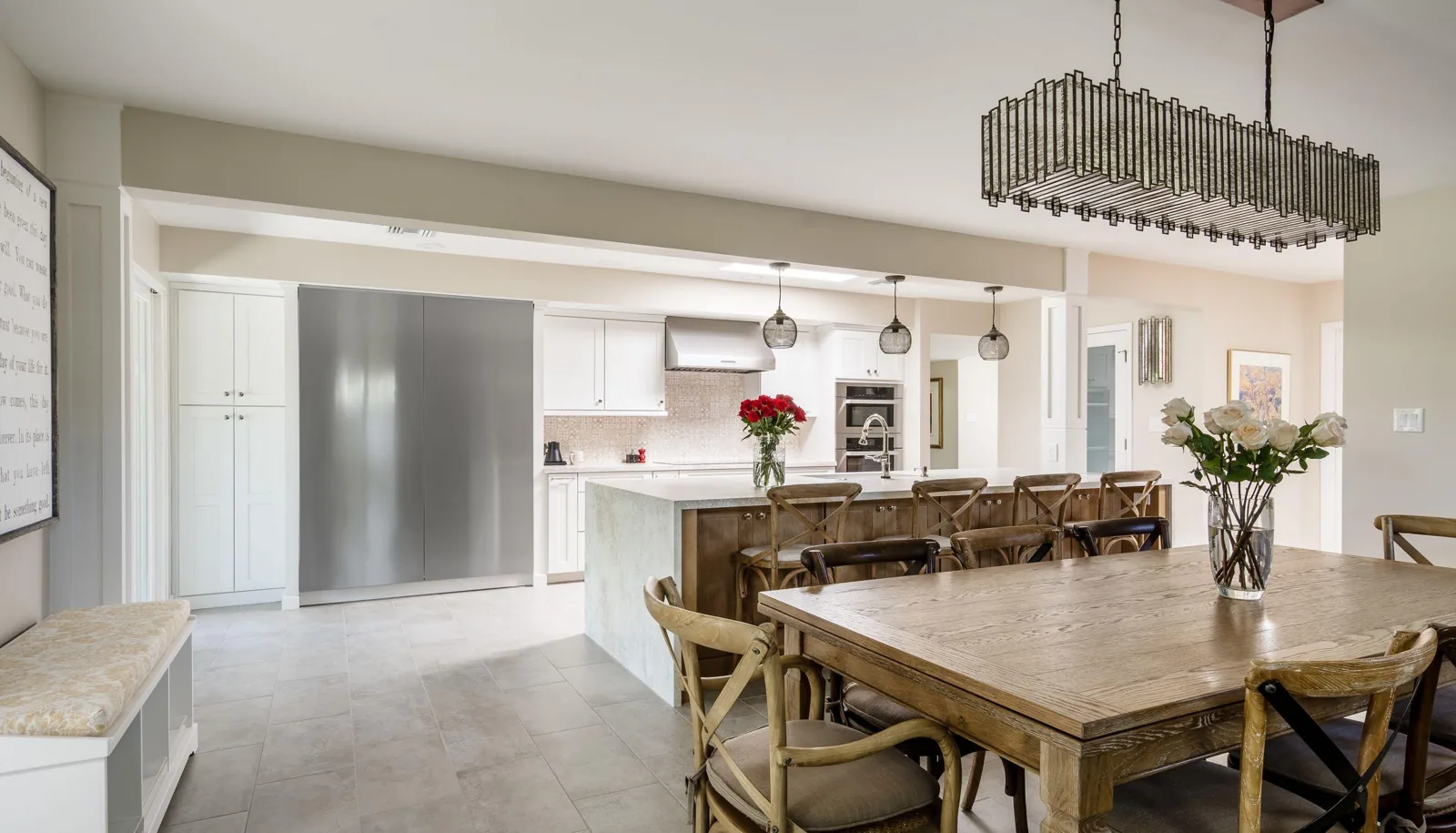
The kitchen becomes part of the gathering space
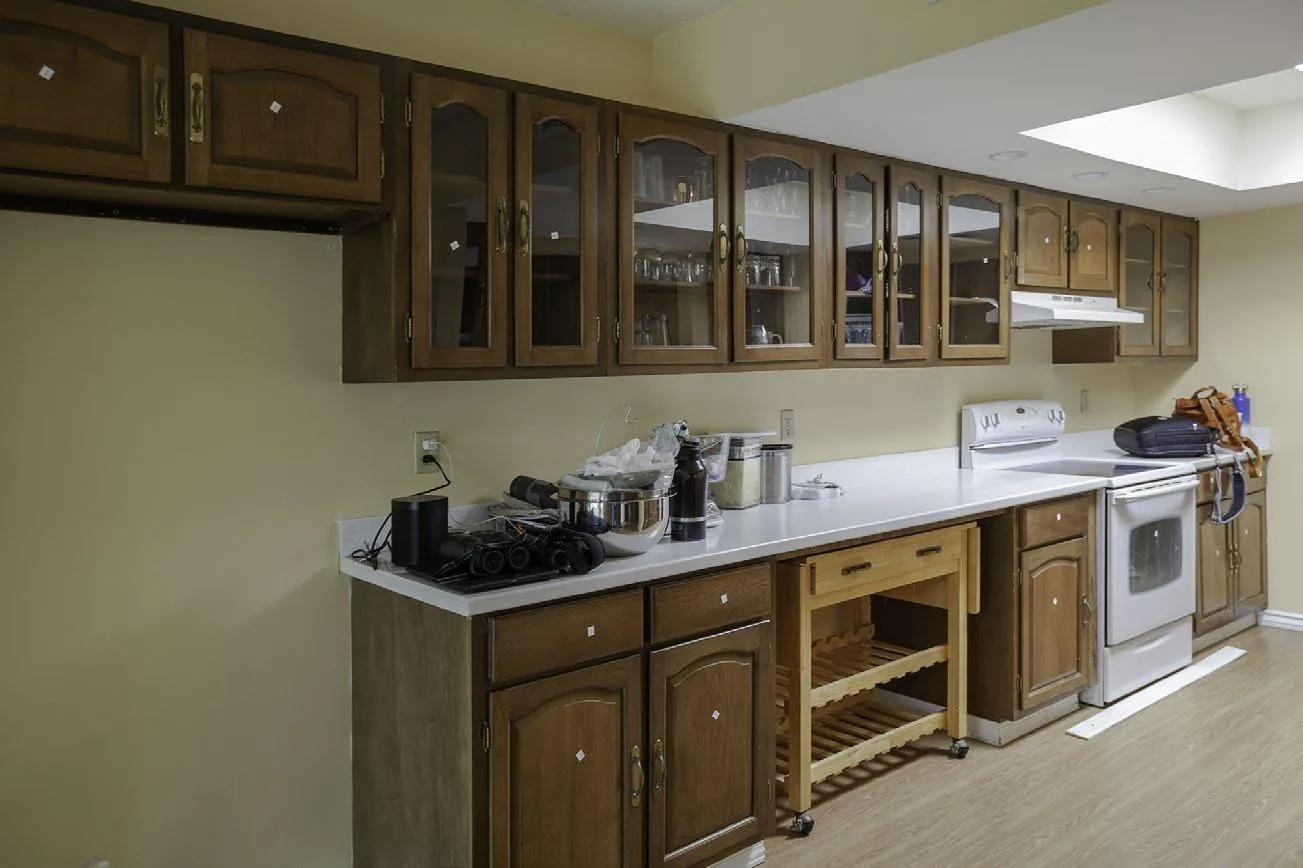
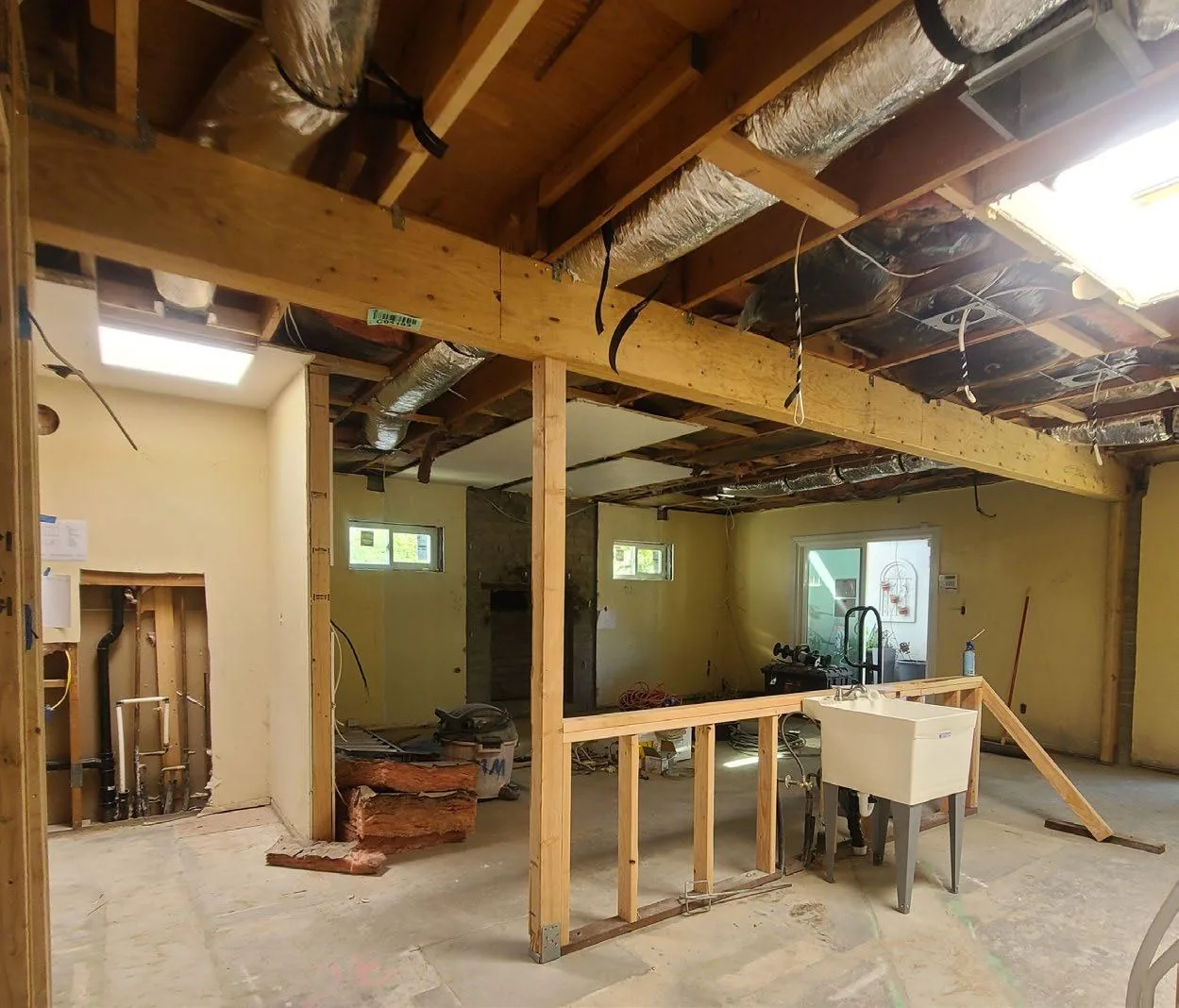
A load-bearing wall had separated the kitchen from the dining area. Removing it required a new support beam, creating a wider connection between cooking, seating, and dining. Decorative ceiling beams were also removed, and the ceiling treatment was simplified to give the space a more open appearance.
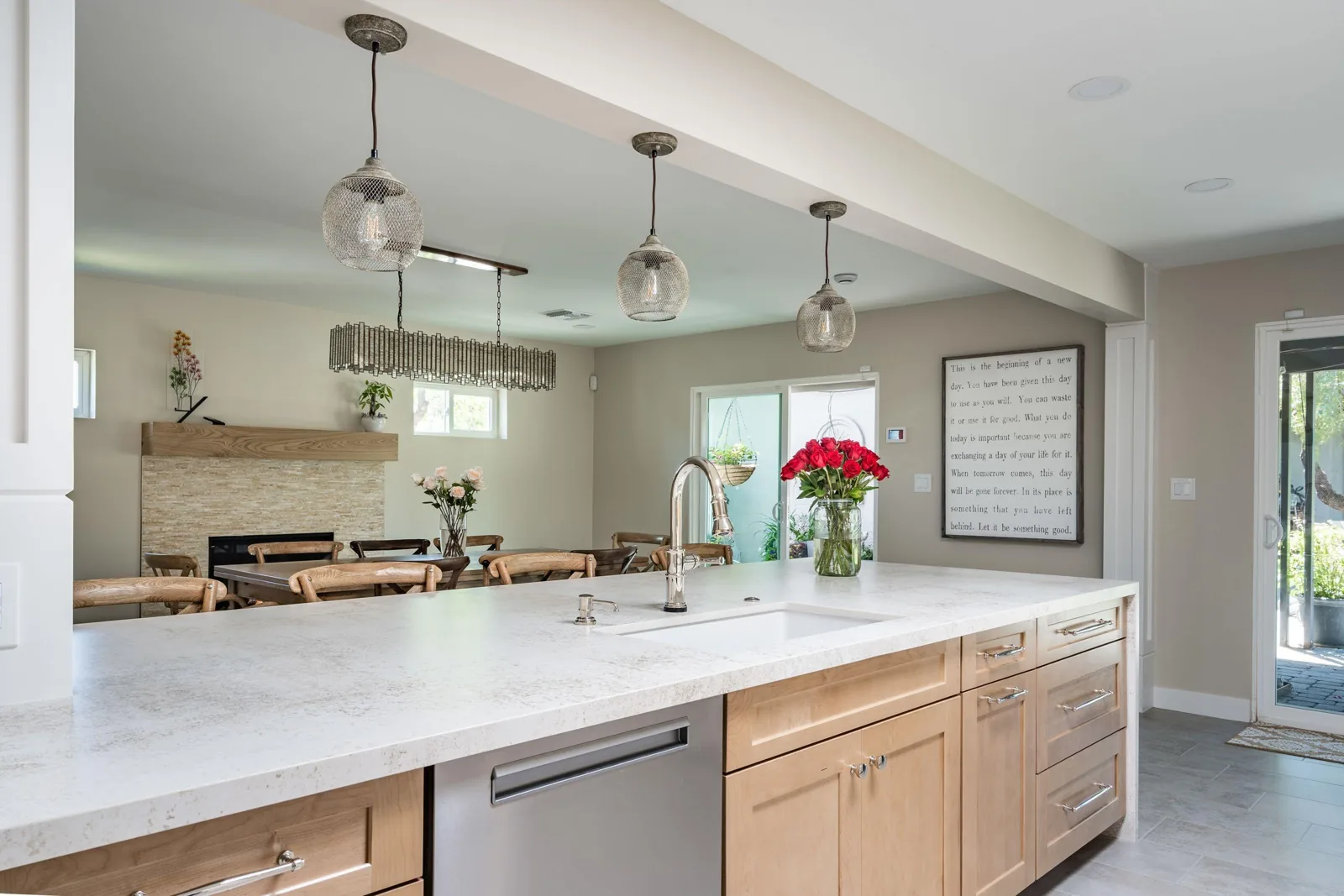
Custom-crafted posts frame the kitchen and conceal necessary electrical components. They give the opening definition while connecting the new kitchen to the dining room’s proportions. The island now provides seating for five, bringing guests and family closer to the activity without placing them in the main cooking zone.
Designed for a daily cook
A cooking wall that keeps the work together
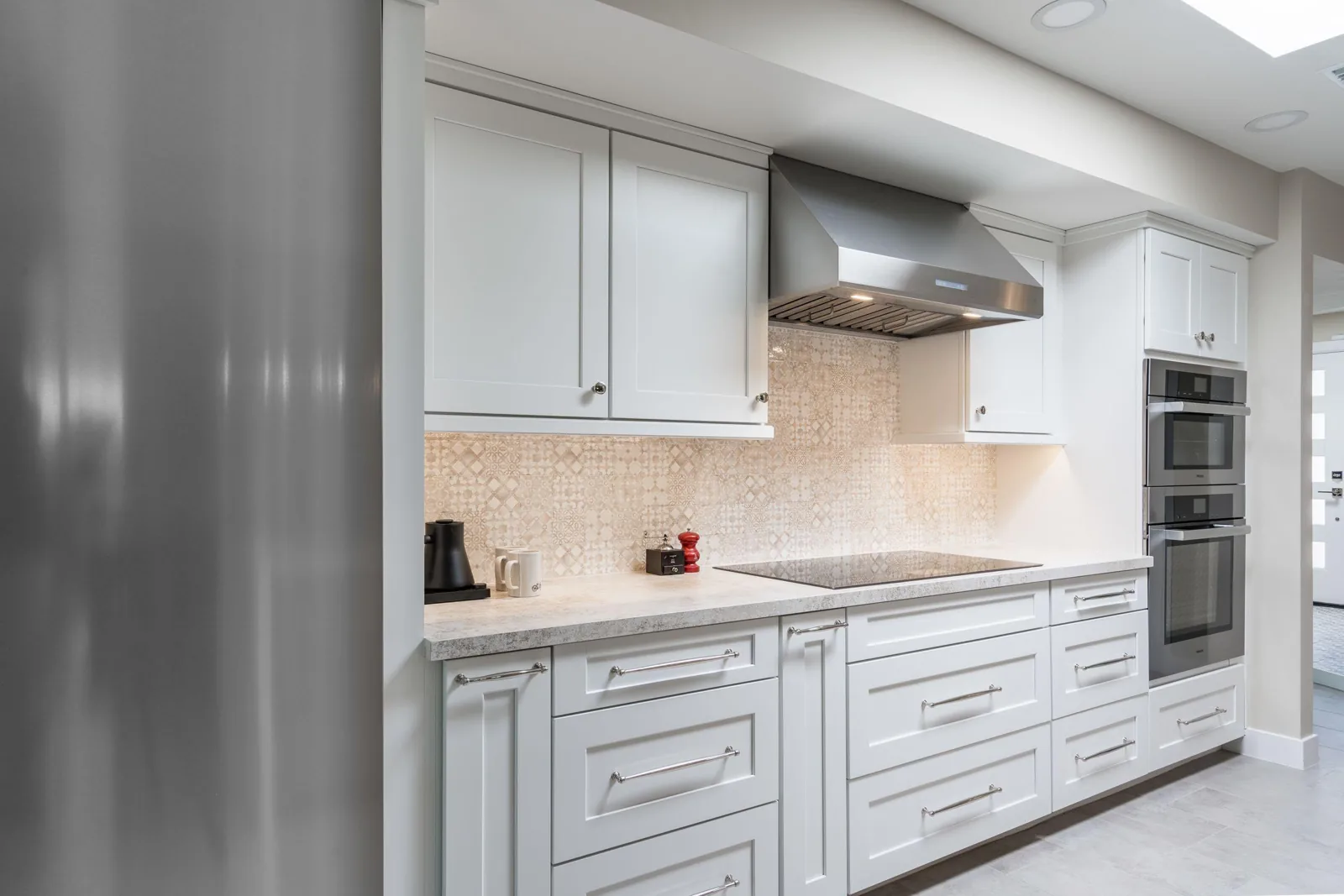
The appliance plan brings the induction cooktop, steam oven, and convection oven onto the same wall. Cabinets around this cooking and baking center organize pans, utensils, and other essentials. Wide drawers beside the cooktop keep sweet and savory spices in separate, accessible locations.
A Thermador hood sits above the cooktop, while a Moroccan-inspired backsplash adds pattern between the pale cabinetry and counters. Column refrigeration anchors another side of the working arrangement. A shallow tall cabinet beside it adds pantry storage and eases the transition toward the sliding glass door.
The island sets the tone
A generous work surface with a warmer base
The matte Dekton waterfall island gives the kitchen a broad preparation surface and a place to gather. Its wood-toned base contrasts with the perimeter cabinetry, establishing the two-tone palette carried into nearby built-ins.
Pendant lights mark the island without closing the view to the dining area. The combination of pale surfaces, wood, patterned tile, and metal finishes gives the room detail at several scales, while the simplified ceiling keeps the composition open.
Storage beyond the main kitchen
A pantry and beverage center work as a pair
The relocated pantry wall has two jobs: it supports the beam at the removed kitchen wall and allows the pantry to gain nine inches of depth. An automatic door sensor controls the pantry lighting as the door opens and closes.
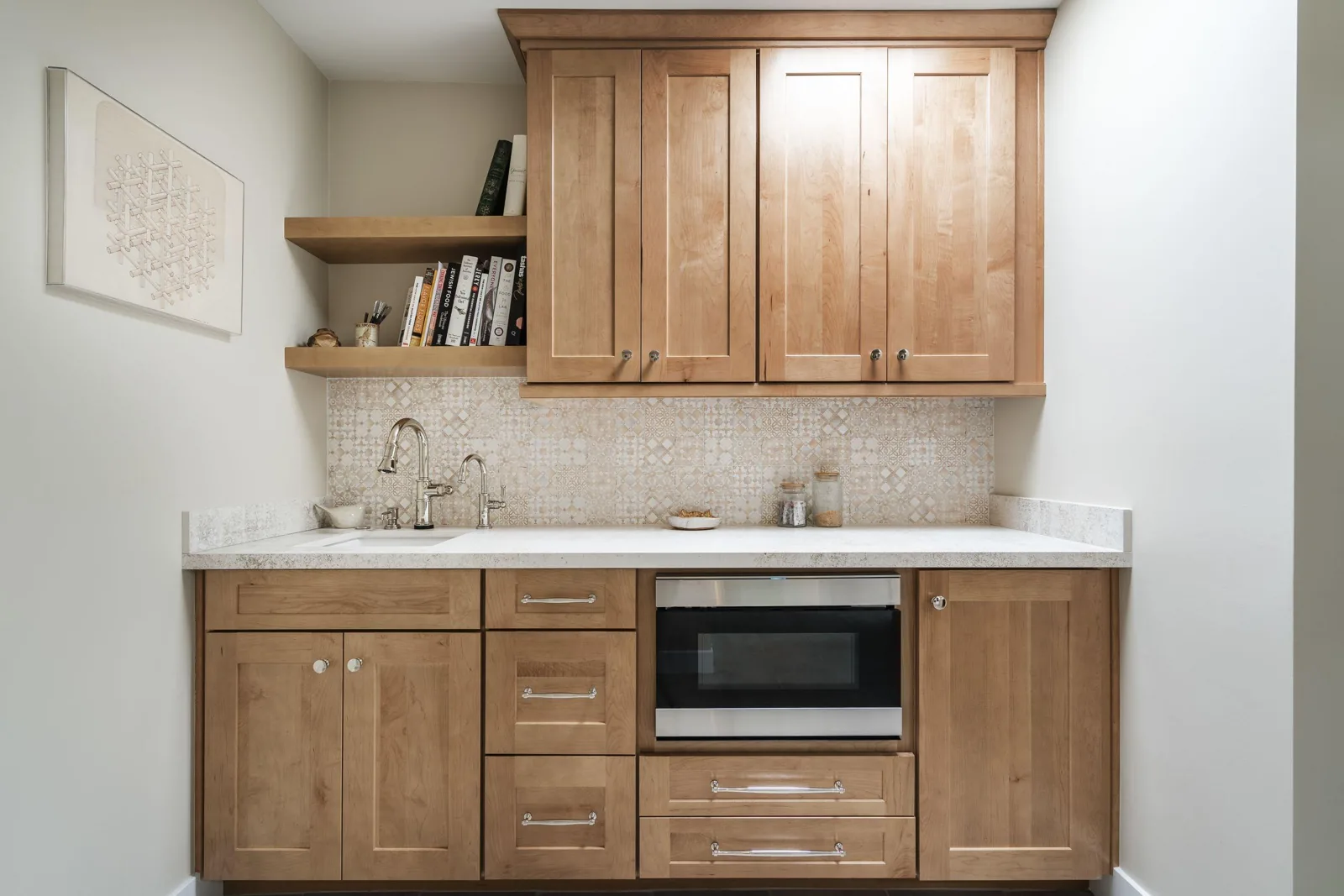
Nearby, former pantry space became a coffee and beverage center. Water lines left from an earlier laundry arrangement made the conversion practical. Shifting the laundry entry helped make room for this separate station, which includes a microwave drawer and cabinetry coordinated with the island. Matching Dekton counters continue the kitchen’s material palette.
The dining room · Before and after
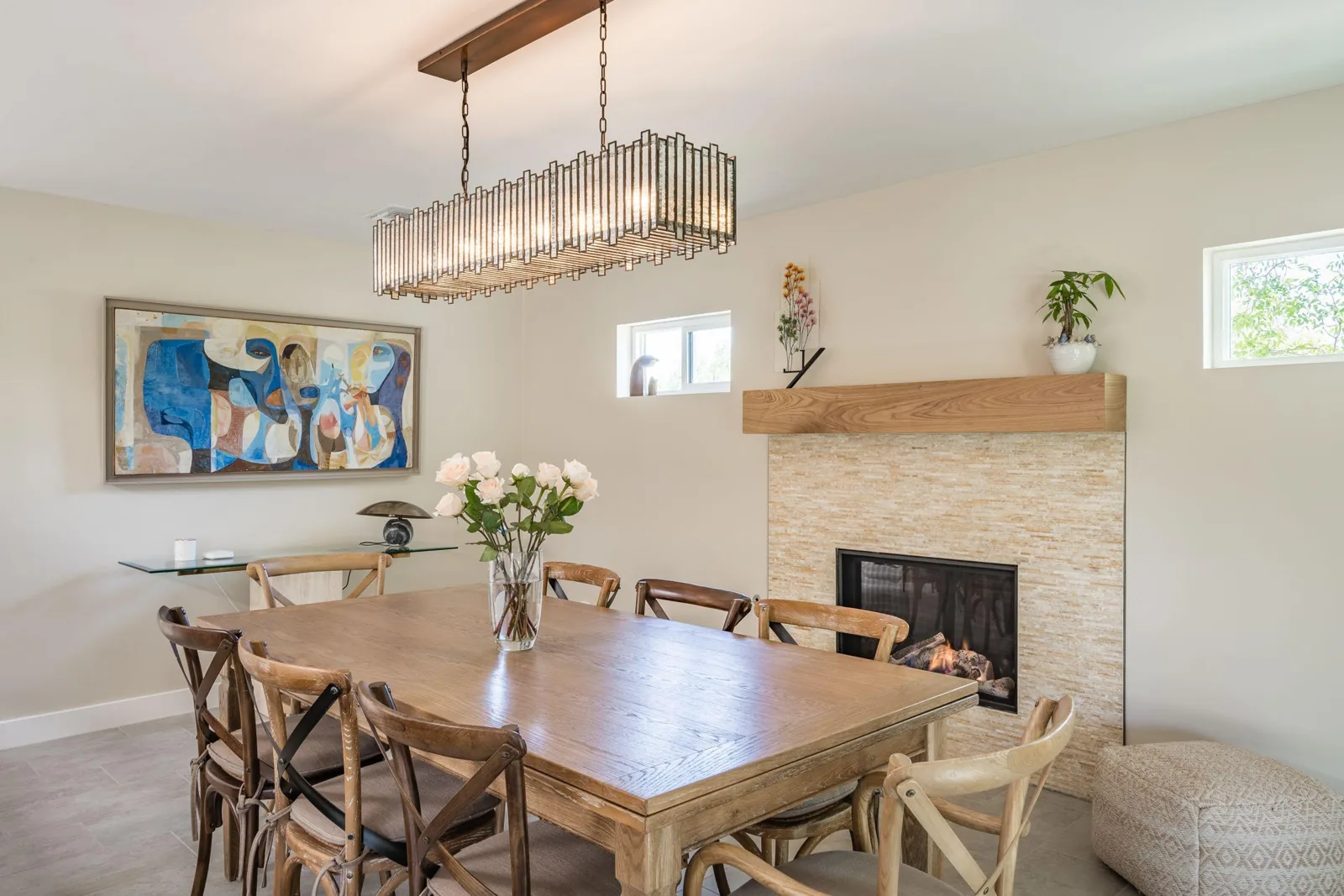
A fireplace anchors the newly connected room
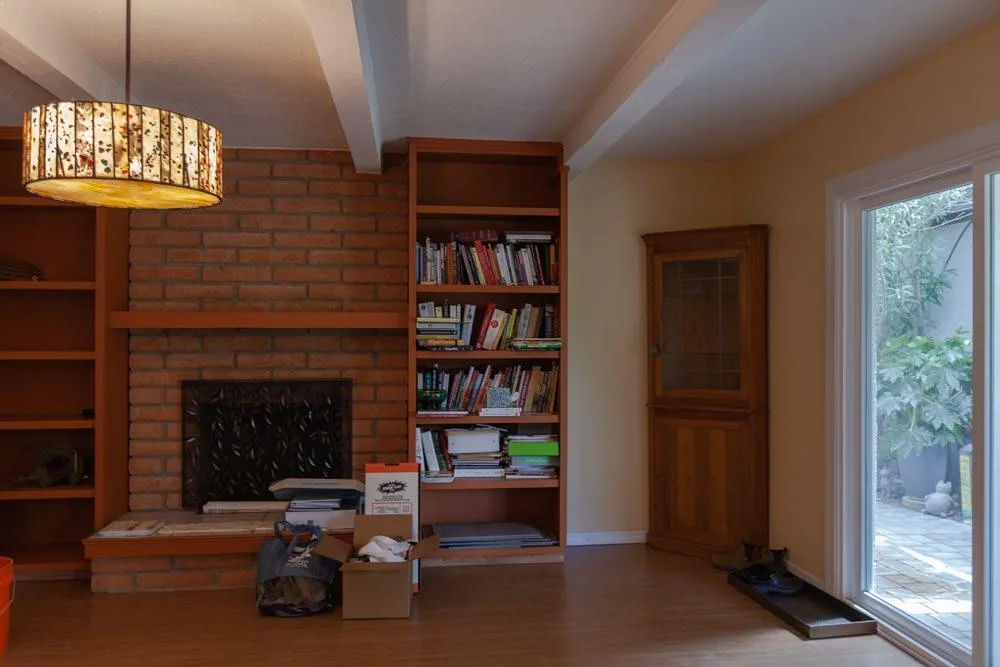
The dining room’s new gas fireplace uses a stacked-stone tile face and a custom wood box-beam mantel. Removing the decorative ceiling beams simplified the room overhead, allowing the fireplace, table, and lighting to carry the composition.
The wood mantel relates to the kitchen’s warmer cabinetry, while the stone adds a different texture. These connections help the dining room belong to the open plan while retaining its own focal point.
Continuity through the living areas
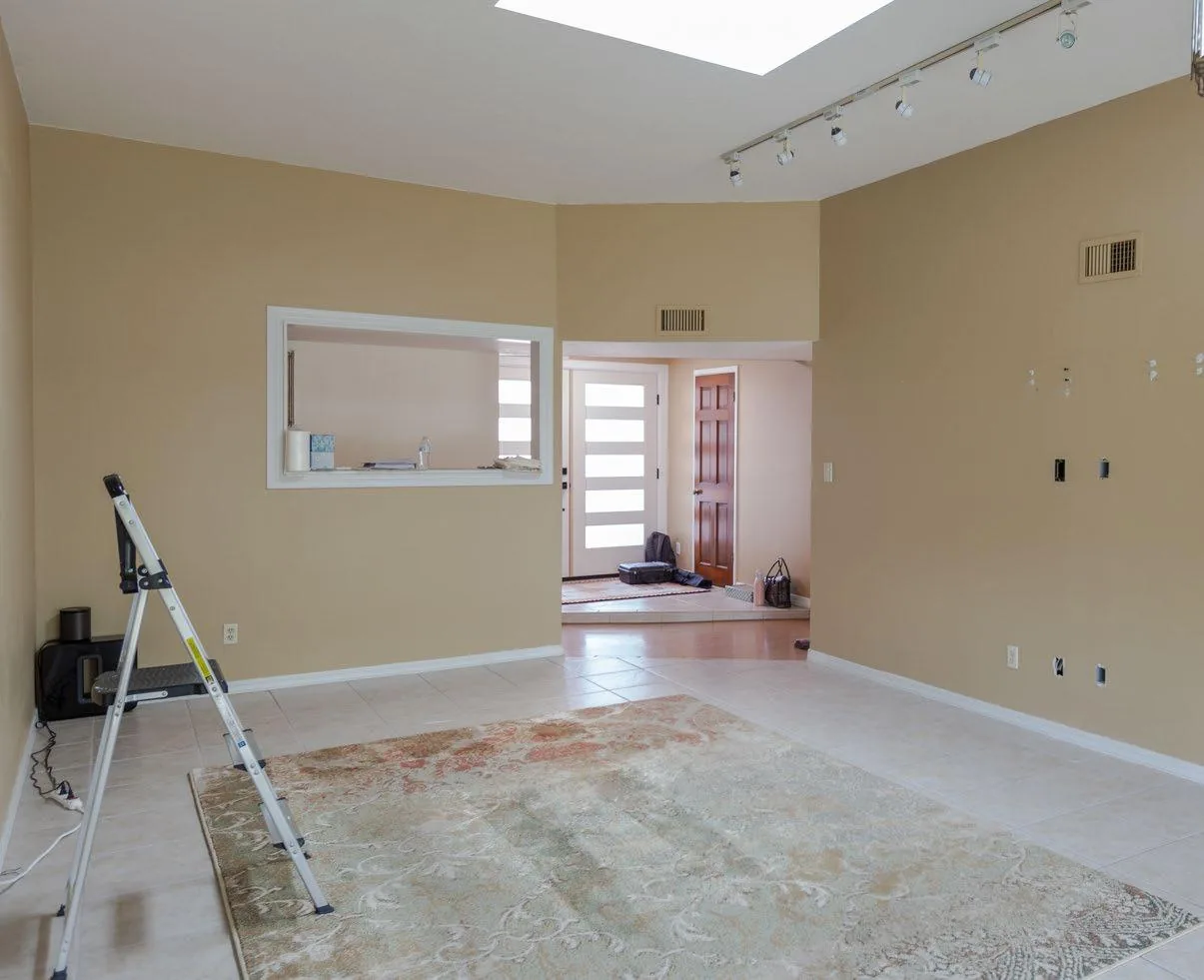
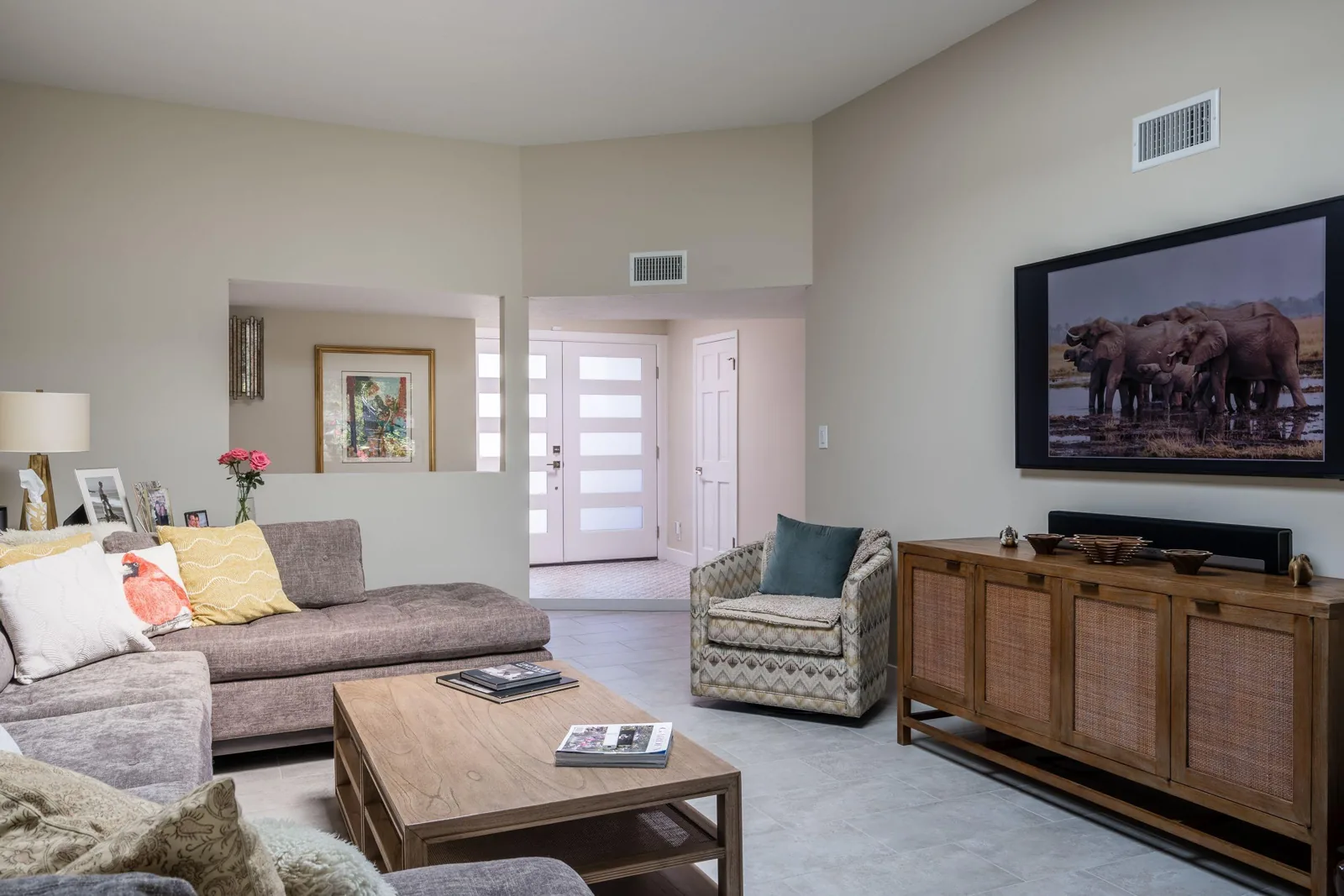
Flooring and door finishes connect the rooms
Concrete-look tile extends through the interior, giving the living areas a common foundation. Previously stained interior doors were finished to match the trim, reducing visual interruptions along the hallways.
At the entry, an enlarged pass-through creates more room for displaying artwork. A two-tone graphic tile detail identifies the entry step, while its face relates to the baseboards. These smaller decisions make transitions part of the design rather than leftover conditions.
Guest spaces receive the same care
Bathrooms with individual details and a shared palette
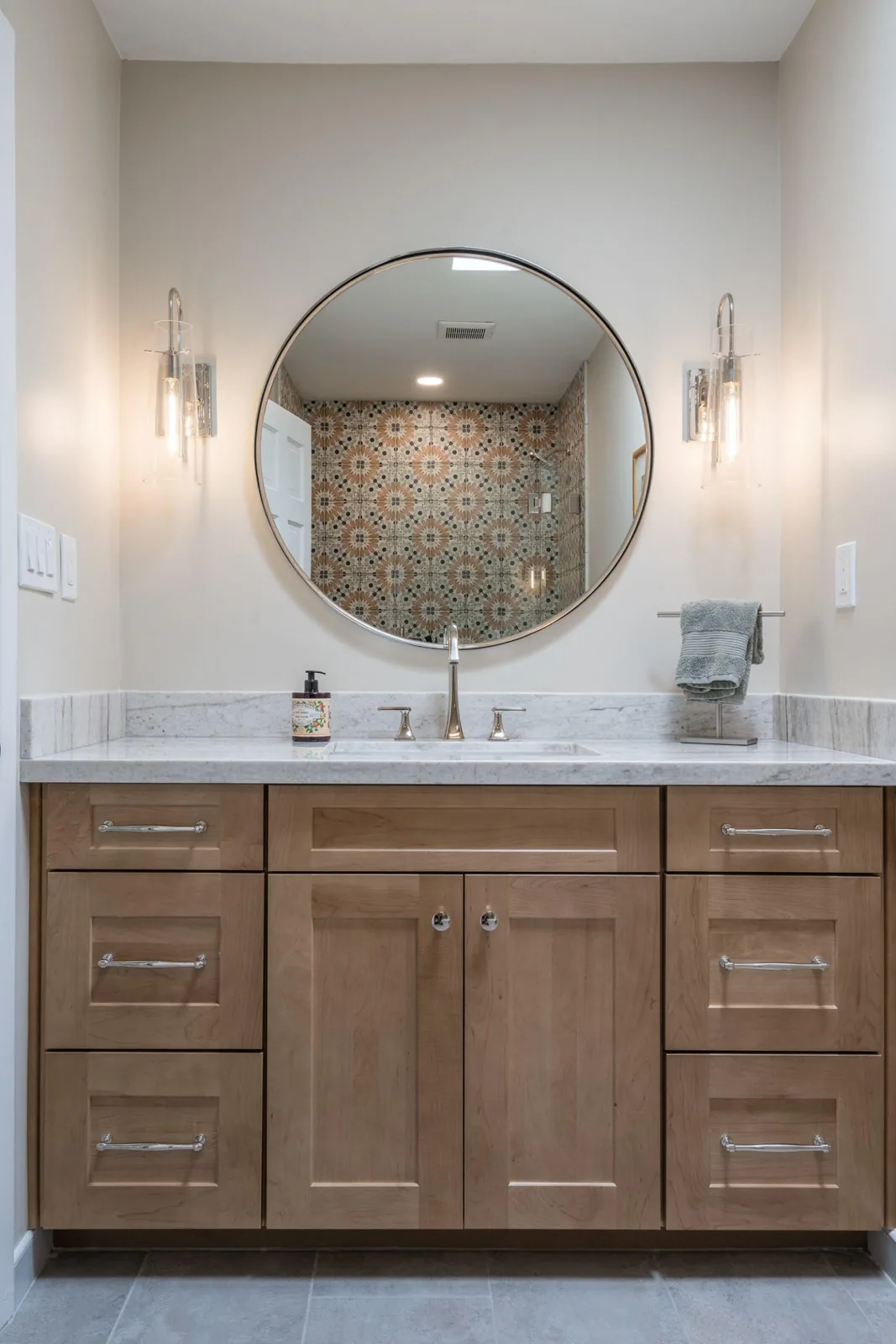
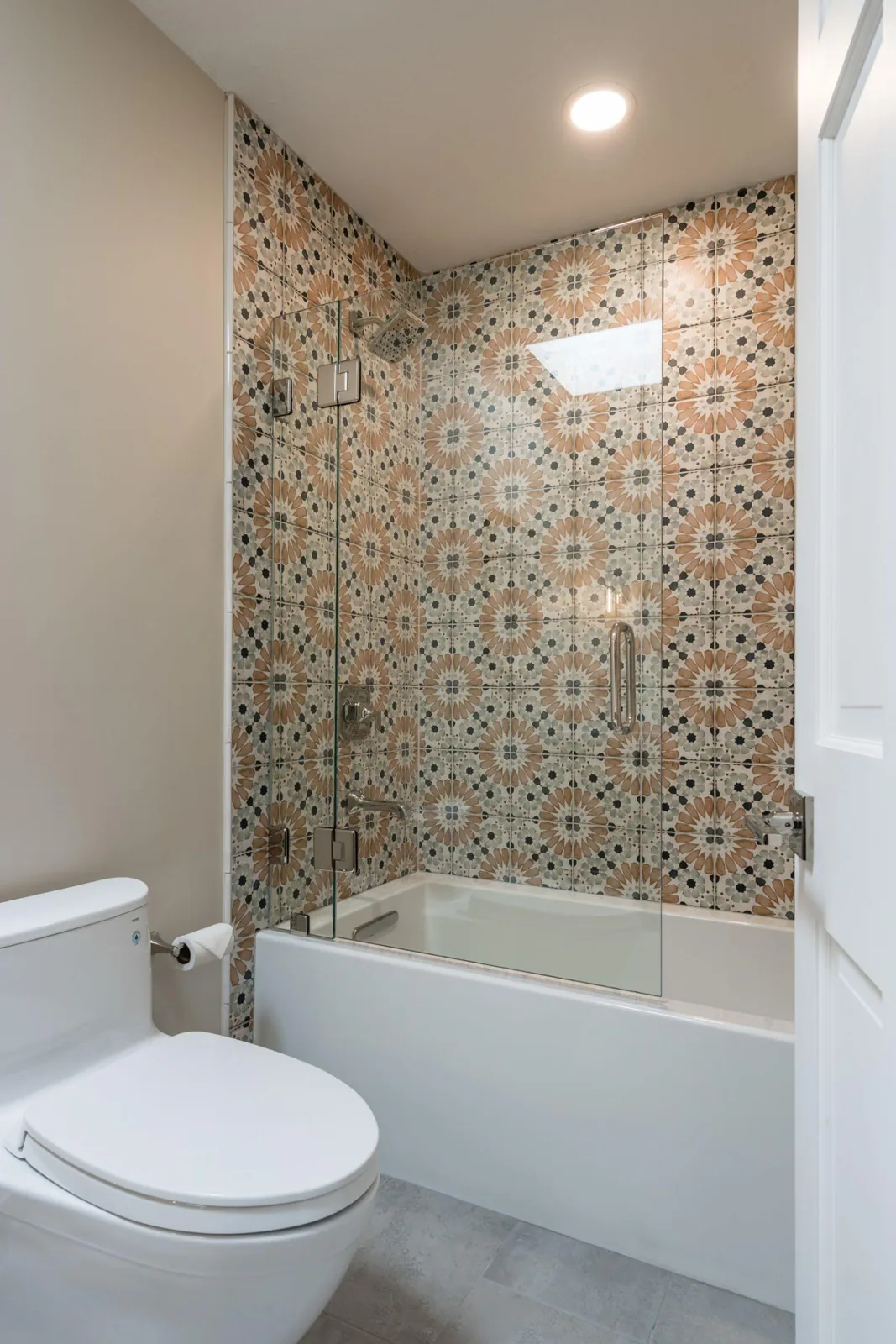
The guest bathroom combines new cabinetry, Taj Mahal quartzite counters, polished nickel fixtures, and a decorative tub surround. Paint selection required a second look: the first gray appeared lavender as light shifted through the skylight. Canvas Tan, used elsewhere in the home, brought warmer undertones into balance with the stone and tile.
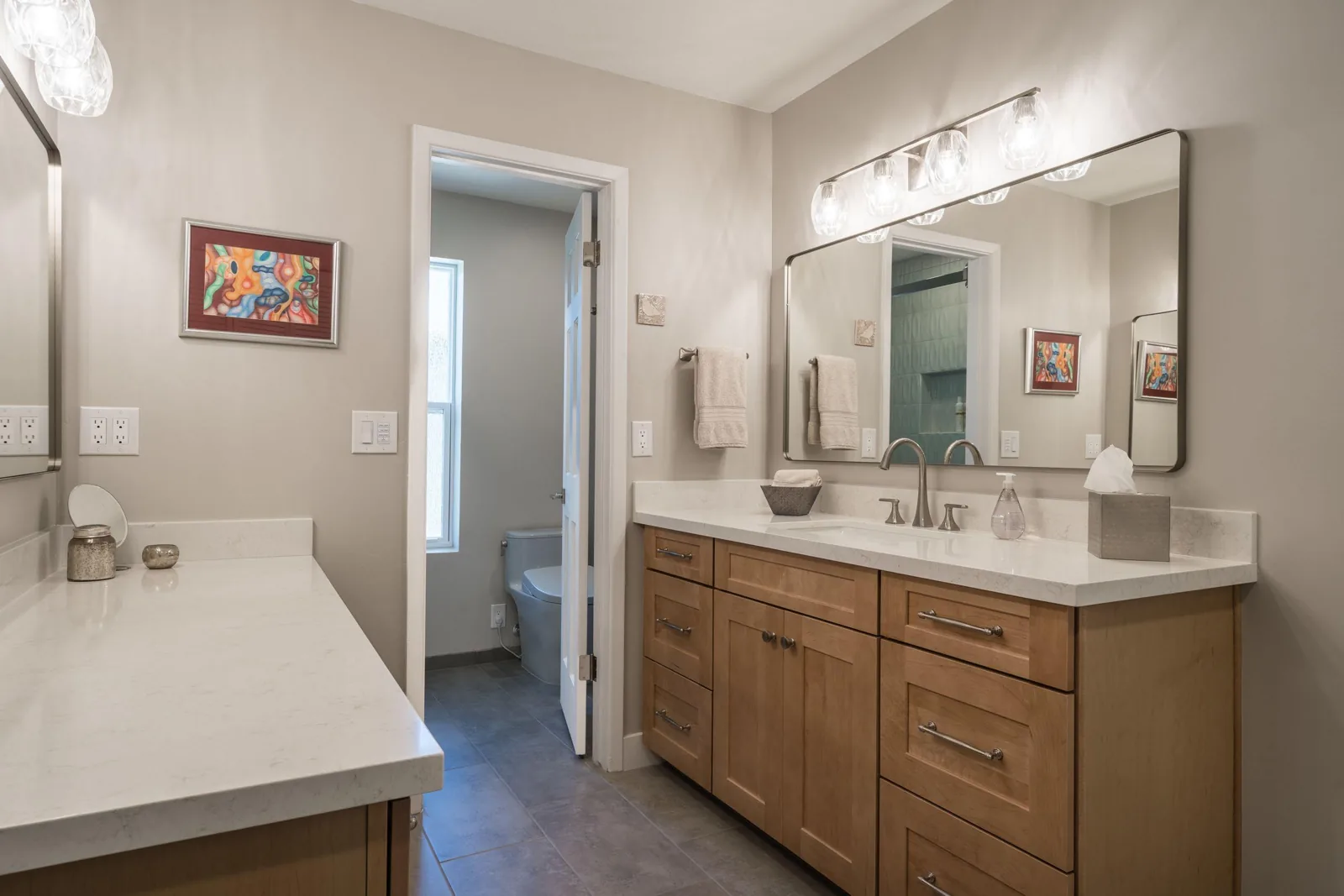
A separate guest ensuite uses a seated vanity on one wall and an elevated sink vanity opposite. Its shower and commode occupy a private room. Coordinated tile, paint, and quartz keep this bathroom related to the wider renovation while giving it a different arrangement.
A primary suite planned for later life
Privacy, closet space, and easier movement
The primary bathroom was reorganized around a private water closet, an accessible shower, and expanded storage. Retaining the vanity’s general location helped direct the budget toward finishes and other improvements. Two custom closets provide separate combinations of shelves, drawers, and hanging space.
The vanity includes two lavatories, a seated makeup area, and illuminated mirrors. The Paradise Valley primary bathroom project shows the curbless shower, closet layouts, and before-and-after comparisons in greater detail.
The bedroom · Before and after
Natural light and a different view of the room
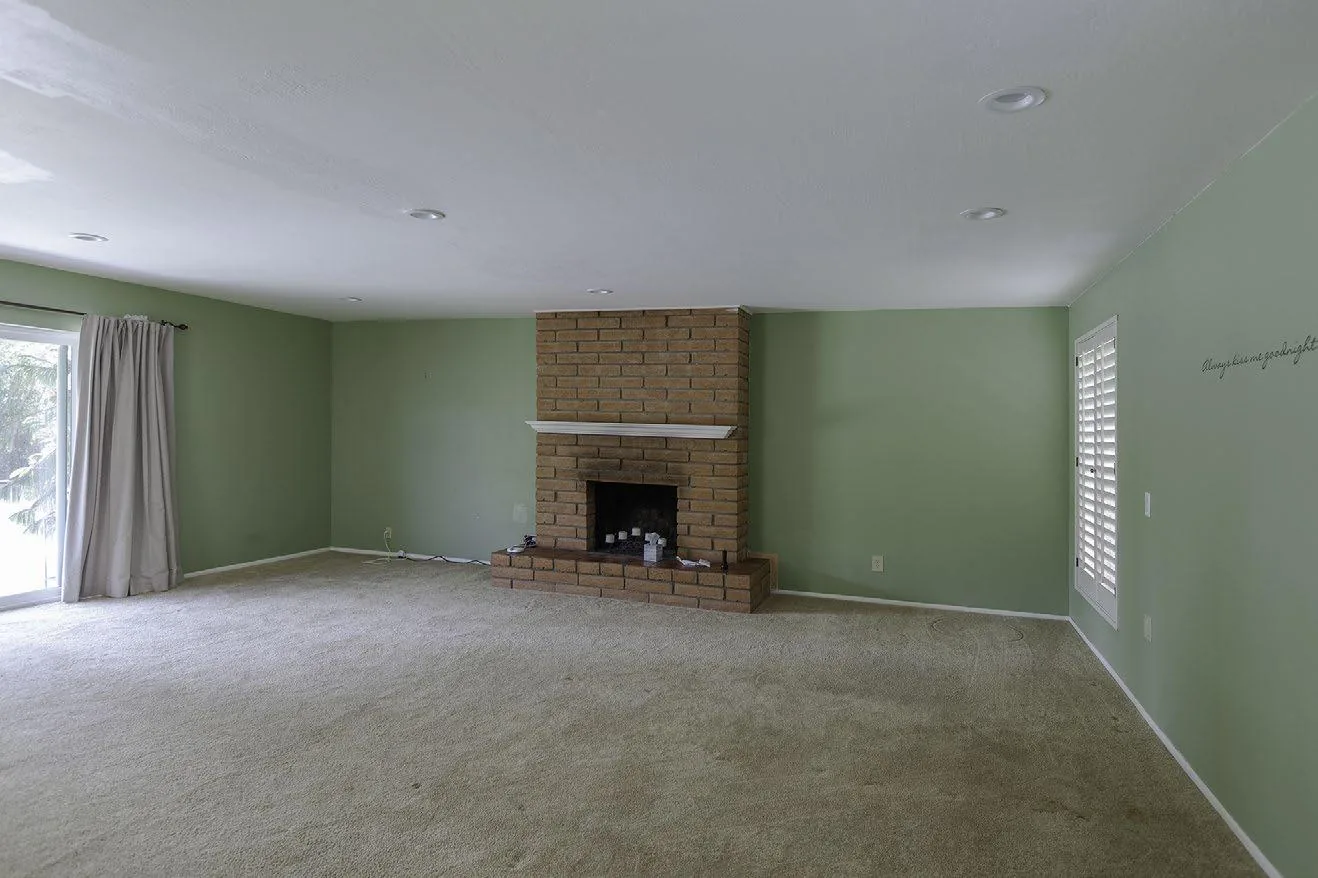
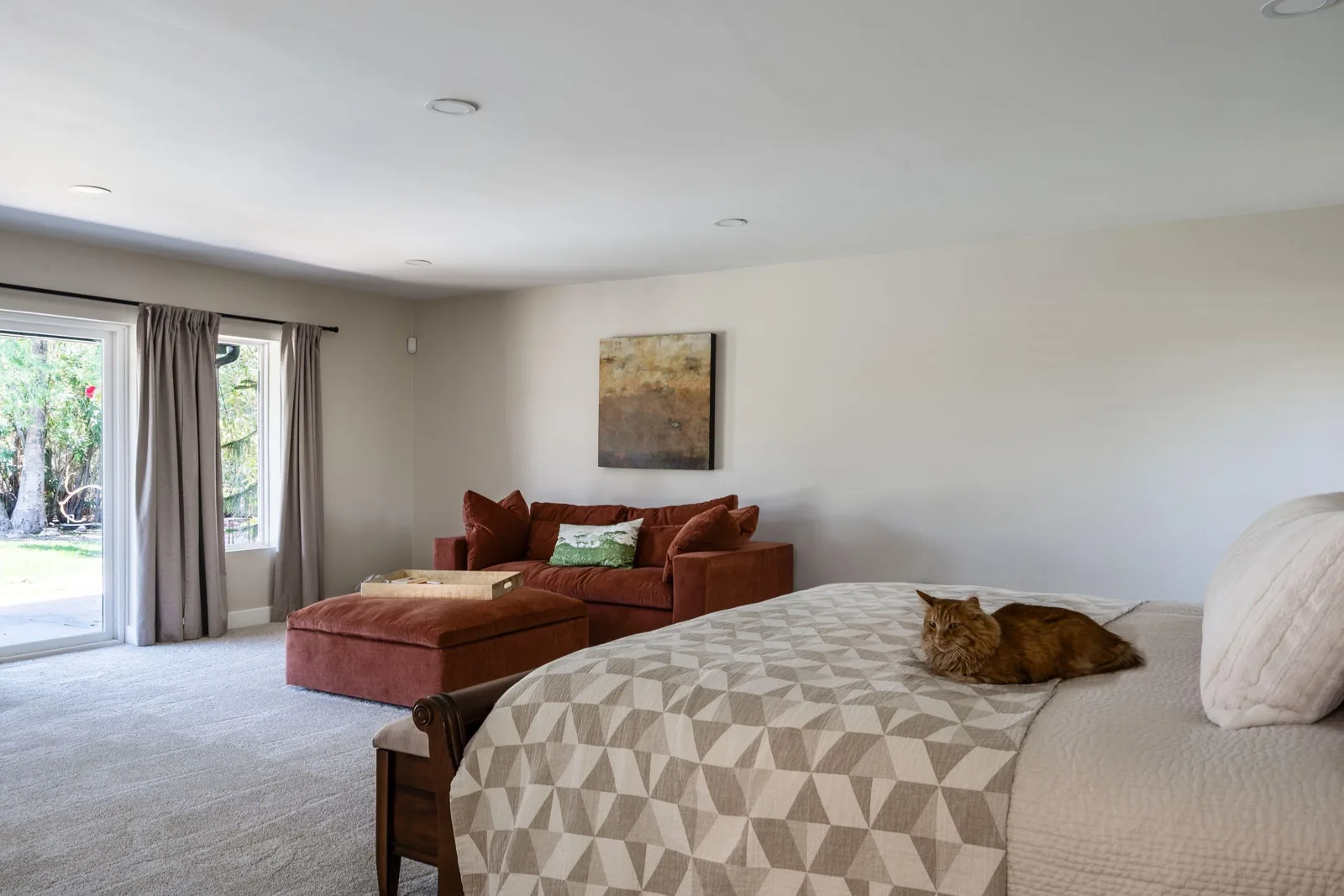
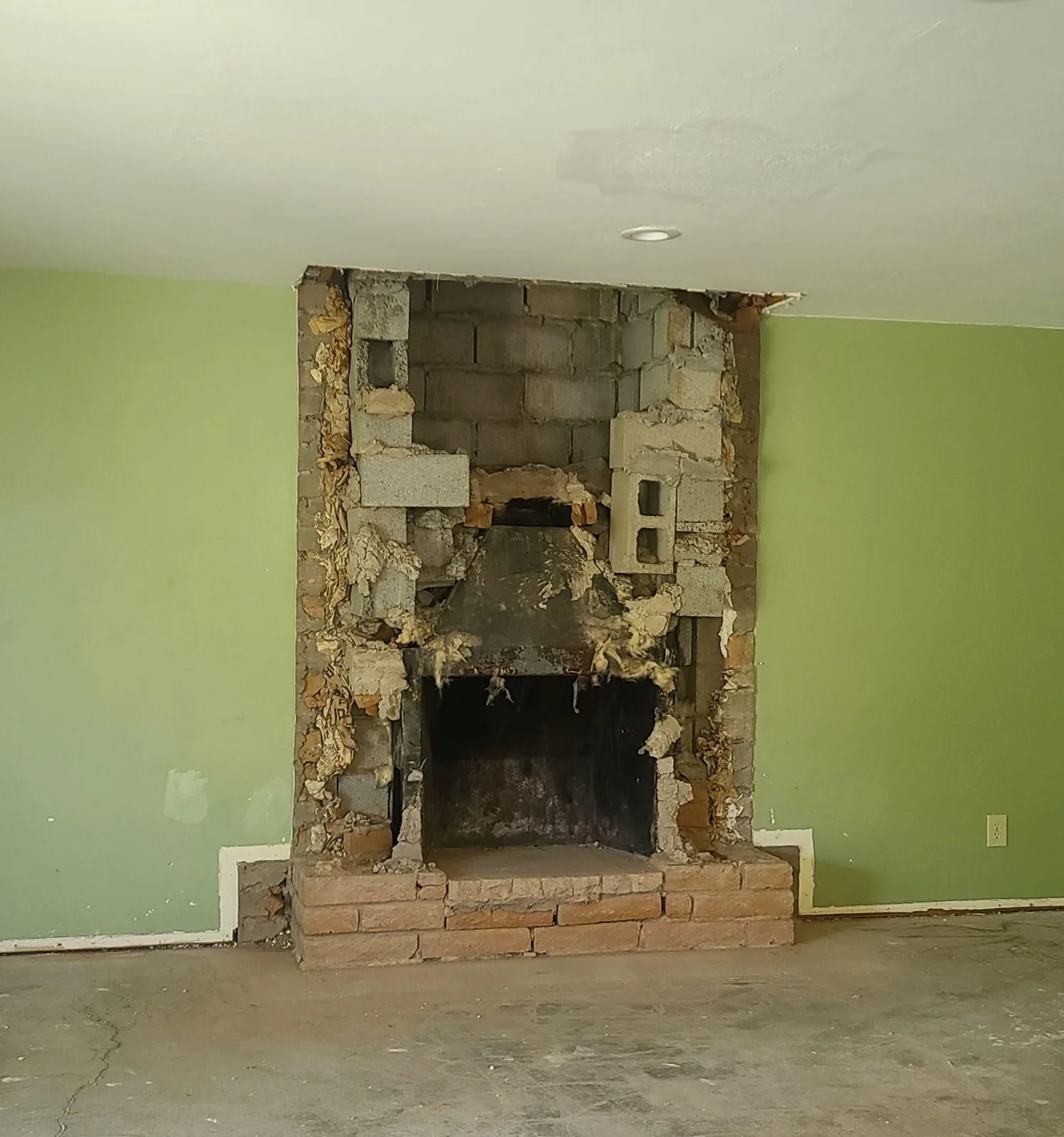
New windows frame the backyard from the primary bedroom. The original plan included updating its fireplace, but demolition revealed masonry conditions that required a different response. The finished room reflects the work needed to address those hidden conditions as well as the visible changes to light and finishes.
What the finished photographs cannot show
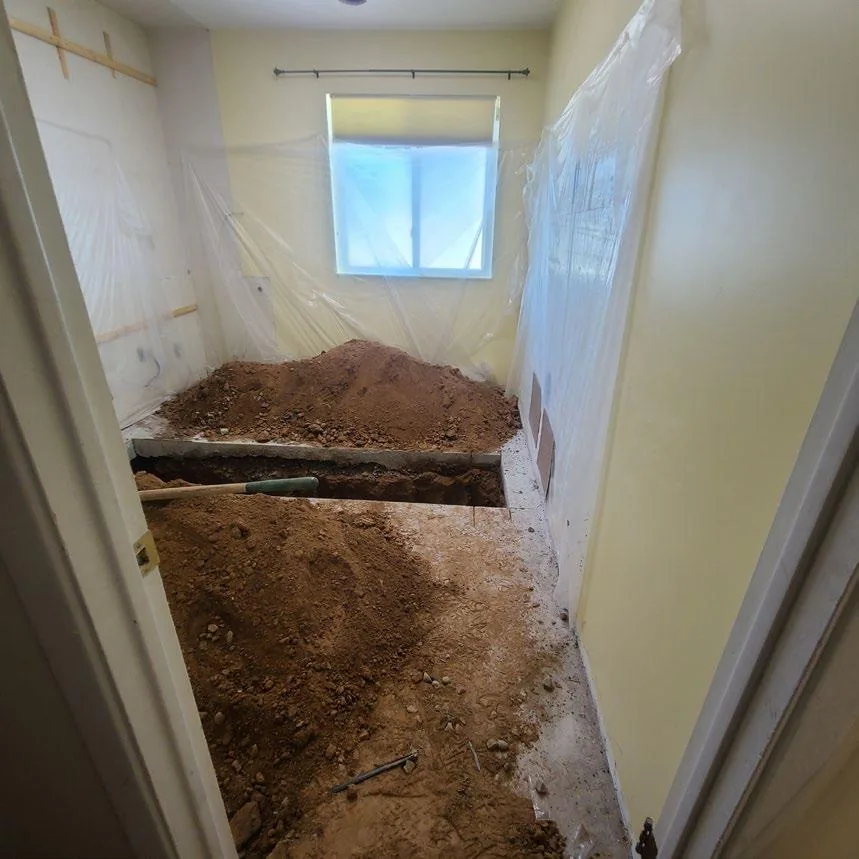
Structural support and plumbing were part of the renovation
The kitchen opening required a beam extending to the new pantry wall. Electrical routing and HVAC ductwork were coordinated with the new structure and ceiling layout. Construction photographs show the scale of this work before drywall returned the rooms to a finished form.
Underground cast-iron plumbing was also replaced after the homeowners raised concerns about clogged lines. The work extended from the former laundry area through the kitchen and hallways toward the home’s main plumbing connection.
An unexpected fireplace repair
Demolition at the primary bedroom fireplace exposed gaps in the masonry and inadequate support conditions. The project photographs document the investigation and the repaired masonry wall. Addressing this work became part of completing the primary suite.
The completed interior
One renovation, with decisions that work across rooms
The kitchen now opens to the dining area, the beverage station supports a separate daily routine, and shared flooring connects the living spaces. Bathrooms carry coordinated finishes into different layouts, while the primary suite addresses storage, privacy, and longer-term use.
Behind those changes are the beam, ducts, electrical routing, and underground plumbing that made the revised interior possible. The finished home brings those practical decisions together with the homeowners’ vision for cooking, entertaining, and living comfortably.
Planning a whole-home remodel in Paradise Valley?
Consider which decisions cross room boundaries before choosing the order of work. Openings between rooms, kitchen storage, bathroom layouts, flooring, and mechanical systems often depend on one another. The Path to Remodeling Clarity™ offers a starting point for organizing your goals and planning the project.
Our whole-home remodeling services explain how we approach a coordinated renovation. The Homeowner Core Guides explore the decisions behind a coordinated remodel, from preparation and design to construction.
Award-Winning Home Remodeling Services
Tell us which parts of your home work well and which need to change. We’ll begin with a conversation about the rooms, routines, and priorities that should shape your renovation.