
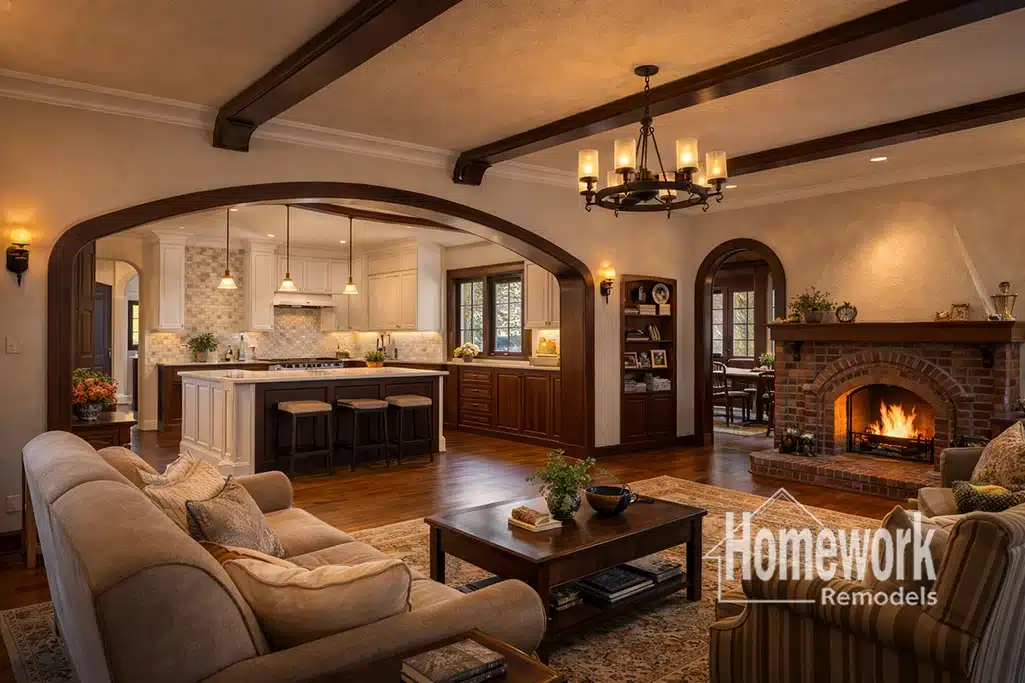
Rear Additions in Roosevelt Homes: Expanding Space Without Losing Historic Character
Homes in the Roosevelt Historic District were built long before modern expectations for space, flexibility, and privacy. Constructed primarily in the early twentieth century, these houses reflect a dense, walkable urban lifestyle with modest footprints and close proximity to neighboring homes. Today, many homeowners love the neighborhood’s energy and architectural character—but need more space to support contemporary living.
Rear additions have become one of the most effective strategies for expanding Roosevelt homes without disrupting the historic streetscape. When designed thoughtfully, they allow homes to grow while preserving the visual rhythm and identity that make the district special.
Why Rear Additions Make Sense in Roosevelt
Street-facing elevations play an outsized role in defining Roosevelt’s character. Front porches, consistent setbacks, rooflines, and façade proportions collectively shape the neighborhood’s historic feel. Altering these elements can quickly undermine that cohesion.
Rear additions allow homeowners to preserve what matters most visually while still gaining meaningful interior space. Kitchens can be expanded, family rooms added, or primary suites introduced—all without changing how the home presents itself to the street.
Because Roosevelt is an urban historic district, rear-focused expansion is often the most respectful and practical approach.
Urban Constraints Shape Design Decisions
Designing additions in Roosevelt requires navigating a unique set of constraints. Smaller lot sizes, limited setbacks, and neighboring structures influence how and where additions can occur. Privacy, daylight, and circulation must all be carefully balanced.
Successful rear additions often incorporate strategies such as:
- Courtyard connections to bring light into deeper floor plans
- Carefully placed windows to manage privacy
- Transitional outdoor spaces that blur the line between old and new
These design moves help new areas feel open and livable—even within a dense urban environment.
For homeowners exploring how these factors affect remodeling decisions in the district, the Roosevelt Historic Home Remodels hub provides a broader overview of neighborhood-specific planning considerations.
Scale, Massing, and Architectural Continuity
One of the greatest risks in historic additions is imbalance. Additions that are too large, too tall, or too abrupt can overwhelm the original home and disrupt neighborhood harmony.
In Roosevelt, successful additions tend to:
- Step back from the original structure
- Use compatible rooflines and proportions
- Maintain material continuity without imitation
The goal is not to replicate the original architecture exactly, but to respect its scale and rhythm. When this balance is achieved, the addition feels intentional rather than intrusive.
Interior Flow Matters as Much as Exterior Design
A well-designed rear addition should feel integrated—not appended. Interior flow plays a critical role in how successful an addition feels on a day-to-day basis.
Key considerations include:
- Aligning floor levels to avoid awkward transitions
- Maintaining consistent ceiling heights where possible
- Designing circulation paths that feel natural
When these elements are handled well, the addition becomes a seamless part of the home rather than a separate zone.
Modern Systems, Invisible Benefits
Rear addition projects often provide an opportunity to upgrade aging systems. Electrical improvements, HVAC upgrades, insulation, and structural reinforcement are commonly addressed during construction.
While these changes may not be visible, they significantly improve comfort, efficiency, and long-term performance. In historic homes, these behind-the-scenes improvements often deliver some of the greatest value—supporting modern living without altering architectural character.
Designing for Long-Term Flexibility
Many Roosevelt homeowners approach additions with a long-term mindset. Spaces are often designed to serve multiple functions over time—supporting work-from-home needs, multigenerational living, or aging-in-place considerations.
This flexibility allows the home to evolve alongside its occupants, reducing the need for future expansions and preserving the integrity of the original structure.
Stewardship in an Urban Historic Neighborhood
At its best, a rear addition in Roosevelt represents stewardship rather than transformation. The home gains space, functionality, and comfort—while the neighborhood retains its identity.
Projects that respect architectural scale, urban context, and long-term livability help ensure that Roosevelt remains both vibrant and authentic for generations to come.
For homeowners evaluating whether a rear addition is appropriate for their property, the Roosevelt Historic Home Remodels hub offers neighborhood-specific insight into planning, design, and historic-appropriate remodeling strategies.