
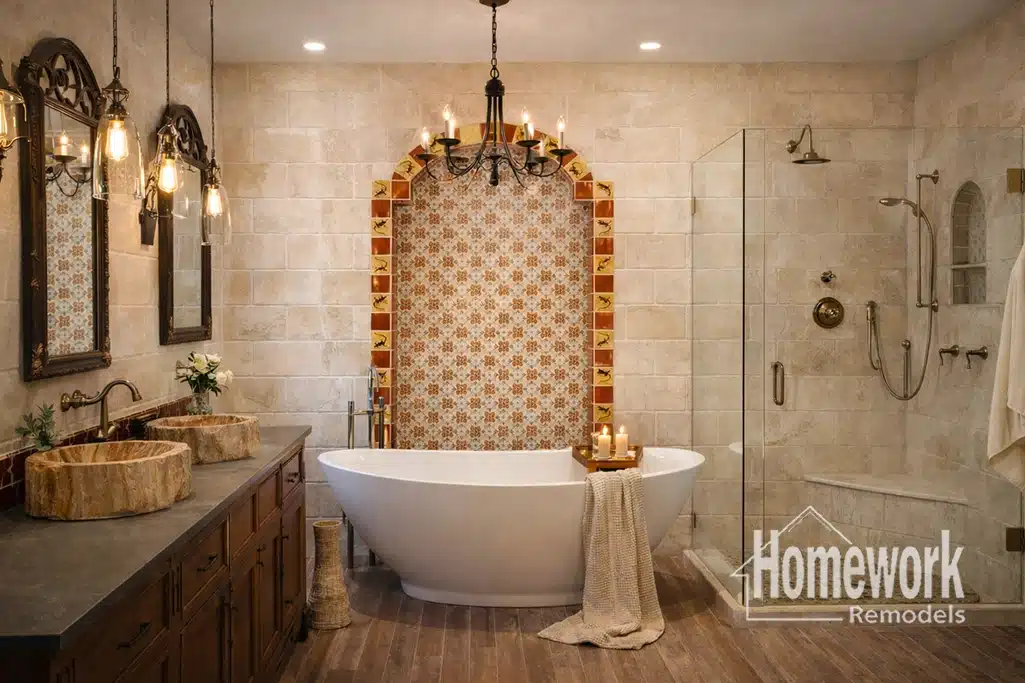
Roosevelt Historic District Bathrooms: Adding Modern Convenience on Tight Urban Lots
Homes in the Roosevelt Historic District were never designed with multiple bathrooms in mind. Built primarily in the early twentieth century, these houses emphasized modest footprints, walkable neighborhoods, and efficient use of space. As lifestyles changed, the need for additional bathrooms became one of the most common—and most challenging—remodeling goals for Roosevelt homeowners.
In a dense urban historic district, adding a bathroom is rarely a simple interior exercise. It is a site-driven decision shaped by lot size, access, utilities, and preservation considerations.
Why Bathroom Demand Is So High in Roosevelt Homes
Many Roosevelt homes were originally built with one bathroom serving the entire household. For modern families, guests, or work-from-home lifestyles, this arrangement no longer works.
Adding a second bathroom can dramatically improve daily life, but the neighborhood’s density creates constraints that don’t exist in more suburban settings.
The core decision tension is modern convenience versus urban limitation.
Lot Size Dictates What Is Possible
Roosevelt lots are typically narrow and shallow. Rear yards may already be occupied by garages, casitas, or outdoor living areas.
When considering a bathroom addition, homeowners must evaluate where expansion is physically possible without violating setbacks or eliminating functional outdoor space.
Sometimes the right answer is not outward expansion at all.
Interior Reconfiguration Is Often the First Step
Before building outward, many Roosevelt bathroom additions succeed by reconfiguring interior space. Closets, hallways, and underutilized corners can sometimes be combined to create a compact but functional bathroom.
These solutions preserve lot space while improving convenience—but they require careful planning to avoid circulation problems.
Utility Access Adds Complexity
In dense neighborhoods, utilities are often shared, layered, or routed through alleys. Connecting new plumbing to existing systems may require coordination beyond the home itself.
Alley access can be an advantage for construction logistics, but it also introduces sequencing and permitting considerations.
Understanding utility paths early prevents costly redesigns.
Setbacks and Overlays Shape Design
Roosevelt Historic District homes may be subject to zoning overlays or historic guidelines that influence additions. Setbacks, massing, and exterior appearance all matter.
Bathroom additions that respect these rules tend to move more smoothly through approvals. Designs that push limits often encounter delays.
The decision tension is speed versus compliance.
Access for Construction Must Be Planned
Tight urban lots limit where materials, equipment, and waste can be staged. Construction access planning affects timeline and cost.
Homeowners who understand how access constraints influence construction are better prepared for realistic schedules.
Vertical Solutions Aren’t Always Viable
Adding a bathroom above an existing space may seem efficient, but structural capacity, ceiling heights, and stair access often limit vertical options in historic homes.
When vertical expansion is possible, it must be evaluated carefully to avoid compromising the home’s scale.
Drainage and Venting Are Non-Negotiable
Bathrooms require proper drainage and venting. In compact homes, routing vents without affecting exterior character can be challenging.
Designs that integrate venting early avoid awkward roof penetrations or interior compromises.
Cost Control Depends on Early Feasibility
Bathroom additions in Roosevelt can vary widely in cost depending on scope, access, and approvals. Early feasibility analysis helps homeowners understand tradeoffs before committing.
Knowing where complexity lies allows for smarter prioritization.
Whole-Home Perspective Protects Livability
Adding a bathroom affects more than plumbing. It changes circulation, storage, and room relationships.
Homeowners who understand how whole-home remodeling in Phoenix evaluates space tradeoffs avoid solving one problem at the expense of another.
Why Design-Build Works Best in Urban Historic Districts
Design-build remodeling integrates site analysis, layout, structure, and permitting into a single planning process.
In Roosevelt, this integration is essential. It allows homeowners to pursue bathroom additions that fit within urban constraints while delivering meaningful improvements.
Learning how the design-build remodeling process works helps homeowners navigate complexity with confidence.
The Core Decision Tension: Convenience or Constraint
In the Roosevelt Historic District, the best bathroom additions respect the realities of urban living. They deliver convenience without overwhelming the site or the home.
Thoughtful planning turns limitation into clarity.
Let’s Add Bathroom Convenience Without Overcrowding Your Home
If you’re considering adding a bathroom in a Roosevelt Historic District home, early feasibility and site awareness are critical. With neighborhood-specific experience and an integrated design-build approach, it’s possible to improve comfort while respecting urban constraints.
We invite you to schedule a free remodeling consultation to explore bathroom addition options tailored to your property.