
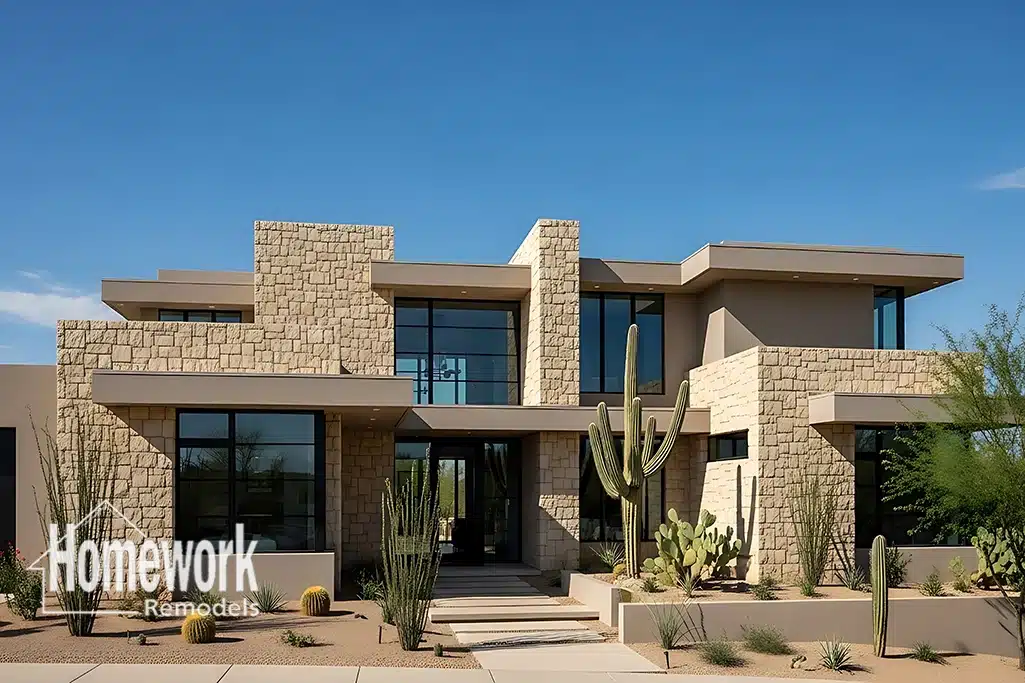
Structural Design Tips for Large-Scale Renovations
Large-scale renovations change more than how a home looks—they change how it works at a structural level. When walls move, roofs span farther, or additions tie into existing homes, structural decisions become foundational. For Scottsdale homeowners planning significant renovations, understanding how structural design influences safety, comfort, and flexibility is essential.
Structural design isn’t just an engineering exercise. It’s a planning discipline that shapes what’s possible.
Why Structural Design Should Lead the Conversation
In many remodels, structural decisions are treated as reactive—something addressed once layouts are finalized. In large-scale renovations, this approach often leads to redesigns, delays, and compromises.
Scottsdale homes frequently include long roof spans, slab-on-grade foundations, and additions built across different eras. These conditions make structural planning especially important. When structure leads the conversation, design solutions emerge that are both creative and realistic.
The Decision Tension: Flexibility vs. Efficiency
Homeowners often want spaces that feel open, adaptable, and future-ready. Structurally, flexibility can require additional support—larger beams, wider spans, or redundant load paths.
This introduces a tension between structural efficiency and spatial freedom. Overengineering adds cost. Underengineering introduces risk. Finding the balance requires coordination between design intent and structural logic.
Understanding Load Paths Before Moving Walls
Every structural change affects how weight travels through the home. Removing or relocating walls alters load paths, which must be intentionally re-established.
In Scottsdale homes, interior walls often play a greater structural role than expected—especially in ranch-style layouts. Before layouts are finalized, evaluating which walls carry loads prevents assumptions that can derail projects later.
Early exploration of options through removing load-bearing walls safely helps clarify feasibility and cost implications.
Additions: Where Old and New Must Cooperate
Large-scale renovations often include additions. Tying new structures into existing homes requires careful alignment of foundations, framing, and rooflines.
Differences in slab height, roof pitch, or framing methods can introduce structural stress if not addressed properly. In Scottsdale’s climate, thermal movement and soil conditions also influence how structures interact.
Successful additions feel seamless because their structural integration was planned—not improvised.
Planning for Ceiling Height and Volume
Ceiling height changes have significant structural implications. Vaulted ceilings, raised beams, or clerestory windows all affect load distribution.
Rather than treating ceiling changes as cosmetic upgrades, they should be evaluated as structural transformations. This ensures that proportions remain balanced and that support systems are concealed or expressed intentionally.
In many whole-home remodeling in Scottsdale projects, ceiling strategy becomes a key driver of structural planning.
Designing for Future Adaptability
Large-scale renovations are opportunities to future-proof a home. Structurally planning for potential changes—such as future room reconfigurations or additions—can reduce disruption later.
This may involve strategic beam placement, oversized load paths, or framing allowances that support adaptability. While these decisions add upfront planning effort, they often pay dividends over time.
Coordination Prevents Costly Conflicts
Structural design does not exist in isolation. It intersects with mechanical systems, lighting, and finishes. Beams affect duct runs. Columns influence furniture layouts. Structural supports can either enhance or disrupt design intent.
When these elements are coordinated early—rather than resolved during construction—projects move more smoothly. This coordination is a core advantage of a design-build remodeling process, where structure and design evolve together.
Avoiding the “Fix It Later” Trap
One of the most common pitfalls in large renovations is postponing structural decisions in favor of visual progress. Temporary solutions often become permanent compromises.
Addressing structural realities upfront prevents mid-project course corrections that increase cost and extend timelines. It also protects the integrity of the finished home.
Structural Design as a Long-Term Investment
Good structural design fades into the background. It doesn’t demand attention—but it supports everything else quietly and reliably.
Homes with thoughtful structural planning feel solid, adaptable, and calm. Those without it often reveal issues years later through cracking, movement, or functional limitations.
Building Confidence Through Planning
Structural decisions can feel intimidating, but they don’t have to be. With the right planning process, homeowners gain clarity about what’s possible, what’s required, and where flexibility exists.
Large-scale renovations succeed when structure is treated as an ally—not an obstacle.
Let’s Plan Structural Changes With Confidence
If you’re planning a large-scale renovation and want clarity around structural options before design decisions are locked in, early planning makes all the difference. To explore how structure, layout, and long-term goals intersect in your home, you can schedule a free consultation with our design-build team and move forward with confidence.