
Sustainable Materials for Kitchen and Bath Remodels
Sustainability has become an important consideration for many Scottsdale homeowners—but not in the abstract sense. When people talk about sustainable materials for kitchen and bath remodels, they’re often asking practical questions. Will these materials last? Will they perform well in a desert climate? Will they still feel right years from now?
In Scottsdale, sustainability is less about trends and more about making smart, long-term decisions. Choosing materials that hold up to heat, light, and daily use while reducing waste and replacement cycles is both environmentally responsible and financially sensible.
What sustainability really means in remodeling
Sustainable remodeling isn’t limited to recycled content or eco-labels. At its core, it’s about durability, efficiency, and thoughtful use of resources.
A kitchen countertop that lasts decades is more sustainable than one that needs replacement every few years. Cabinetry that resists warping and fading reduces waste over time. In Scottsdale homes, where climate can accelerate wear, material longevity is one of the most important sustainability factors.
Why kitchens and bathrooms matter most
Kitchens and bathrooms experience the heaviest daily use in the home. They’re exposed to moisture, heat, cleaning products, and constant interaction. Choosing sustainable materials in these spaces has an outsized impact on both environmental footprint and homeowner satisfaction.
In desert environments, materials that manage heat, resist UV exposure, and maintain structural integrity perform better over time. Sustainability, in this context, aligns closely with performance and comfort.
A common misconception—and a better approach
A frequent misconception is that sustainable materials require sacrificing appearance or comfort. The problem often arises when homeowners associate sustainability with limited choices or utilitarian finishes.
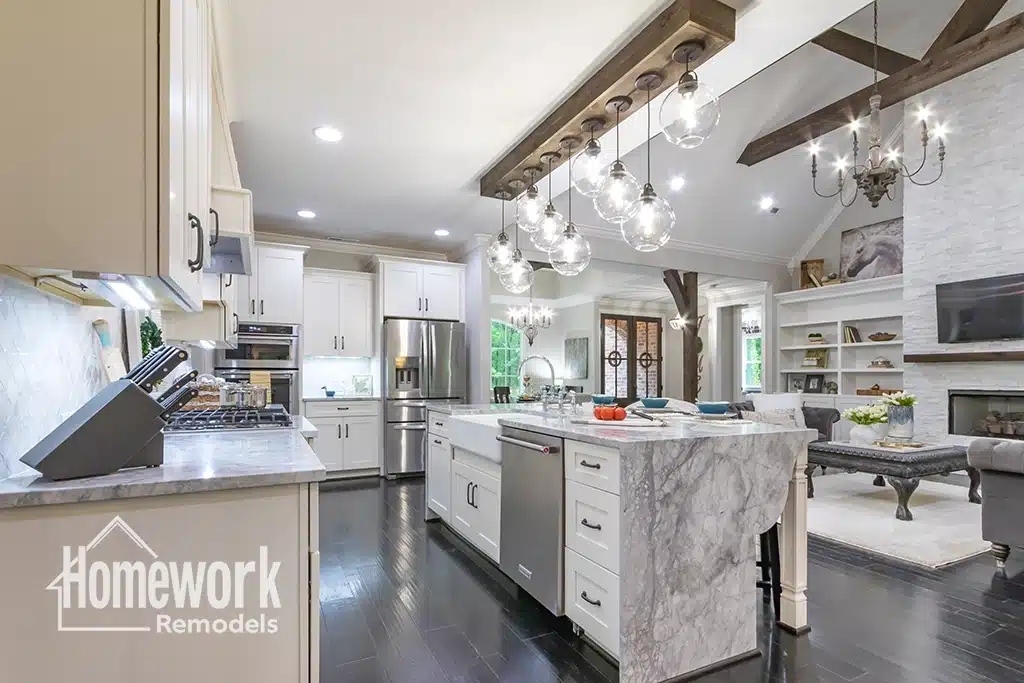
The solution is understanding how modern sustainable materials are engineered. In one Scottsdale kitchen remodel, selecting durable quartz surfaces, responsibly sourced wood cabinetry, and low-VOC finishes resulted in a space that felt refined, comfortable, and resilient. The outcome was a kitchen that looked beautiful while reducing maintenance and long-term replacement needs.
This alignment is easier to achieve when material decisions are part of a coordinated plan. Many homeowners find that a design-build remodeling process helps evaluate sustainability alongside cost, performance, and design intent from the start.
Sustainable countertop options
Countertops play a central role in both kitchens and bathrooms. Sustainable options often include engineered surfaces designed for longevity, as well as responsibly sourced natural materials.
In Scottsdale homes, mid-tone surfaces that resist heat and staining tend to perform especially well. Choosing materials that don’t require frequent sealing or special maintenance reduces water use and chemical exposure over time.
Cabinetry and millwork considerations
Cabinetry sustainability goes beyond the visible finish. Construction methods, core materials, and finish systems all matter.
High-quality cabinetry built with stable substrates and durable finishes reduces the likelihood of warping, peeling, or premature wear. Low-VOC finishes improve indoor air quality—an important consideration for homeowners sensitive to odors or planning long-term occupancy.
Flooring that balances performance and responsibility
Bathroom and kitchen flooring must withstand moisture, temperature changes, and heavy use. Sustainable flooring options often include materials with long lifespans and minimal maintenance requirements.
Porcelain tile, for example, offers durability, low water absorption, and design flexibility. When chosen thoughtfully, these materials reduce the need for replacement while supporting clean, timeless aesthetics suited to Scottsdale homes.
Fixtures, efficiency, and water use
Sustainability also extends to fixtures and systems. Water-efficient faucets, shower controls, and appliances help reduce consumption without compromising comfort.
In Scottsdale, where water conservation is an ongoing priority, these choices align environmental responsibility with everyday practicality. Efficient fixtures often perform better, maintain consistent pressure, and support long-term reliability.
Sustainable choices and long-term value
One of the most overlooked aspects of sustainable remodeling is resale and longevity. Homes designed with durable, efficient materials often appeal to a wider range of buyers and require fewer updates over time.
For homeowners planning to stay in their Scottsdale homes, sustainability means fewer disruptions and greater peace of mind. For those considering future resale, it supports lasting value without feeling overly specialized.
Reviewing examples of Scottsdale home remodeling services can help homeowners see how sustainable material choices integrate naturally into high-quality remodels rather than standing apart from them.
Planning makes sustainability achievable
Sustainable materials are most effective when chosen early. Planning allows homeowners to compare options, understand trade-offs, and select materials that align with both values and lifestyle.
Rushed decisions often lead to short-term solutions. Thoughtful planning leads to materials that perform well, age gracefully, and support a more responsible approach to remodeling.
Moving forward with confidence
Sustainability in kitchen and bath remodeling isn’t about doing more—it’s about choosing better. In Scottsdale homes, that means materials that handle the desert environment, reduce long-term waste, and support everyday comfort.
If you’re exploring sustainable options as part of a remodel, learning what to expect during your first remodeling consultation can help you understand how these decisions fit into a well-planned, thoughtful remodeling process.