
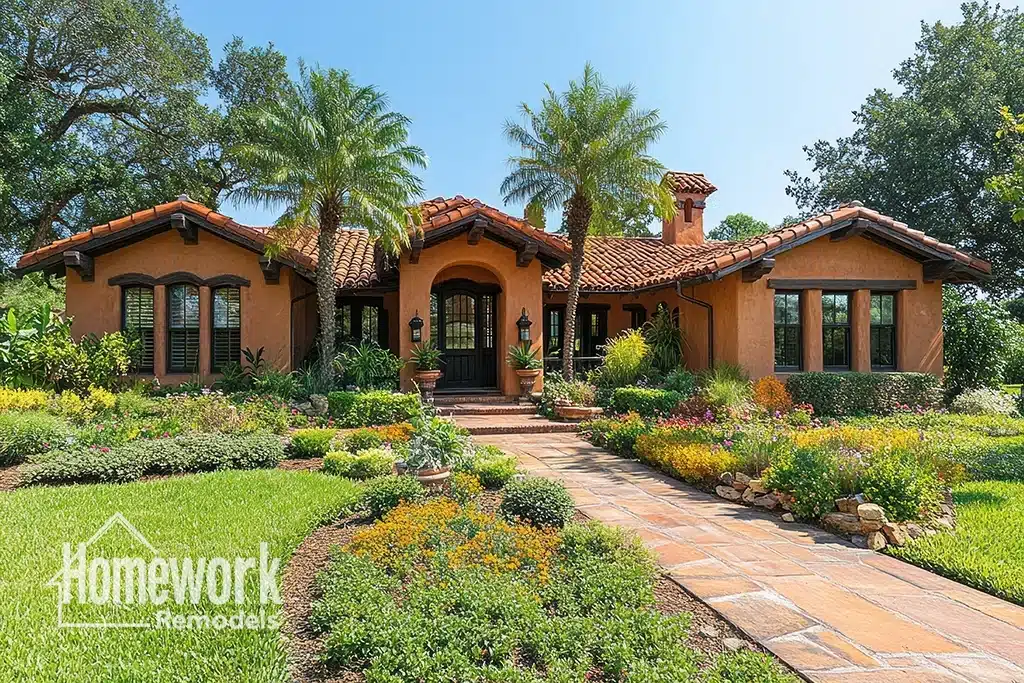
Tempe Remodels That Balance Modern and Historic Design
Balancing modern comfort with historic character is one of the most delicate challenges in residential remodeling. In Tempe, where neighborhoods feature mid-century homes, post-war ranches, and early suburban developments, homeowners often want the best of both worlds—homes that live comfortably today without losing the architectural identity that drew them there in the first place.
Achieving that balance requires more than tasteful finishes. It requires understanding what makes a home feel historic and how modernization can support—not erase—that identity.
What Historic Character Really Means in Tempe Homes
Historic character is not limited to ornamentation.
In many Tempe homes, character comes from:
- Proportions and scale
- Rhythm of openings
- Relationship between rooms
- Connection to outdoor space
Preserving character means respecting these underlying qualities, not freezing the home in time.
Why Over-Modernization Backfires
One of the most common mistakes in historic remodels is overcorrection.
Over-modernized homes often suffer from:
- Loss of spatial hierarchy
- Oversized openings that disrupt proportions
- Materials that feel disconnected from the original structure
While these changes may feel bold initially, they often age poorly.
Modern Comfort Can Exist Within Historic Frameworks
Modern living does not require abandoning historic layouts entirely.
Comfort improvements often come from:
- Better circulation between key spaces
- Improved natural light
- Updated systems hidden within existing structure
These upgrades improve livability while leaving the home’s architectural language intact.
Structural Planning Enables Sensitive Changes
Many meaningful updates require structural adjustments.
Projects that involve removing load-bearing walls safely in Tempe homes can open spaces strategically—without eliminating the cues that define separate rooms. Structural planning ensures that changes feel intentional rather than disruptive.
Kitchens Are Often the Pivot Point
Kitchens are usually the first space homeowners want to modernize.
In historic Tempe homes, successful kitchen remodels:
- Maintain scale appropriate to the house
- Use materials that complement original finishes
- Preserve sightlines to adjacent spaces
A kitchen can feel modern without overpowering the rest of the home.
Bathrooms Benefit From Quiet Modernization
Bathrooms offer opportunities for modernization with minimal impact on character.
Improvements often include:
- Updated layouts for comfort
- Modern fixtures in restrained finishes
- Improved lighting and ventilation
Because bathrooms are private spaces, modernization here rarely conflicts with historic identity.
Windows and Doors Should Be Handled With Care
Openings define a home’s character.
While larger windows can improve light, altering proportions too aggressively can change the home’s personality. Strategic replacement and thoughtful enlargement often produce better results than wholesale changes.
Materials Should Feel Like an Evolution, Not a Replacement
Material selection plays a key role in balance.
Successful projects often use:
- Modern materials in traditional forms
- Neutral palettes that support original textures
- Finishes that age gracefully
This approach creates continuity rather than contrast.
Mechanical Upgrades Should Disappear
Modern comfort depends heavily on mechanical systems.
In historic remodels, systems should:
- Improve performance quietly
- Remain visually unobtrusive
- Support comfort without dominating design
When systems are noticed, something has gone wrong.
Outdoor Connections Can Be Modernized Gently
Many historic Tempe homes have strong relationships to their yards.
Improving indoor-outdoor flow does not require dramatic interventions. Carefully aligned openings, shaded transitions, and material continuity often deliver better results than oversized modern doors.
Neighborhood Context Reinforces Design Balance
Historic balance extends beyond individual homes.
Projects that respect neighborhood patterns tend to:
- Feel more authentic
- Maintain long-term value
- Age more gracefully
Understanding the broader Tempe home remodeling context helps homeowners gauge how far modernization should go.
Whole-Home Planning Prevents Stylistic Conflict
Balancing modern and historic elements is difficult when changes are isolated.
A coordinated whole-home remodeling strategy in Tempe ensures that updates reinforce one another rather than compete—maintaining cohesion throughout the home.
Design-Build Protects Architectural Intent
Preserving character requires coordination.
The design-build remodeling process keeps design intent aligned with structural realities, budget considerations, and construction execution—preventing compromises that erode character over time.
Balance Is Achieved Through Restraint
The most successful remodels do not announce themselves.
They feel natural. Comfortable. Timeless.
By modernizing thoughtfully and preserving intentionally, Tempe homeowners can enjoy homes that honor the past while fully supporting the present.
Let’s Modernize Without Losing What Matters
If you’re planning a remodel in Tempe and want modern comfort without sacrificing architectural character, careful planning makes all the difference. You can schedule a free consultation with our design-build team to explore options with confidence and clarity.