
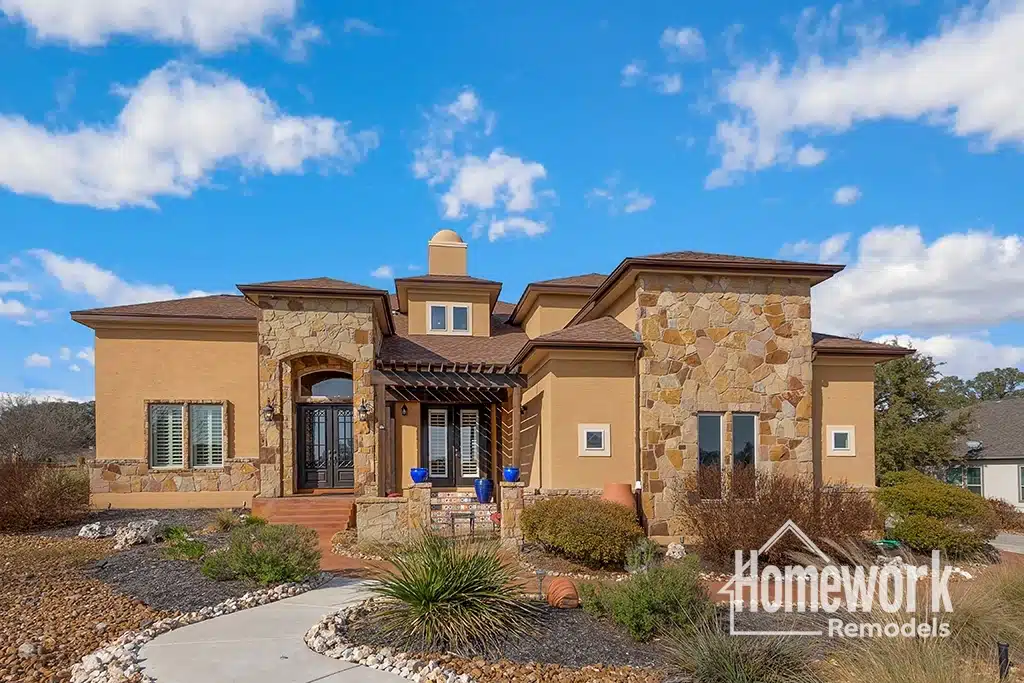
Updating Homes Near Old Town Scottsdale
Homes located near Old Town Scottsdale occupy a unique position in the local housing landscape. Proximity brings energy, walkability, and strong resale demand—but it also introduces pressures that can quietly distort remodeling decisions. The temptation to overbuild, over-style, or over-invest is real, and the consequences can linger long after construction ends.
Updating homes near Old Town requires a careful balance between modernization and restraint. The most successful projects recognize that location already carries value. The remodel’s job is to support that value, not compete with it.
Why Location Changes the Remodeling Equation
In many neighborhoods, remodeling focuses on differentiation. Near Old Town, differentiation can backfire.
Buyers and long-term owners alike value flexibility, livability, and scale that feels appropriate to the setting. Homes that push too far toward luxury spectacle or hyper-specific styling often limit their audience—even in a desirable location.
Understanding how location shapes buyer expectations helps homeowners avoid choices that feel exciting now but restrictive later.
Density and Visibility Shape Design Decisions
Homes near Old Town often sit on smaller lots with closer neighbors. Sightlines, setbacks, and privacy matter more here than in lower-density areas.
Updates that work well include:
- Improving interior flow without expanding the footprint
- Refining façades without dramatic massing changes
- Enhancing privacy through layout rather than height
Design moves that feel modest in isolation can feel oversized when viewed in a tighter urban context.
The Overbuilding Trap
One of the most common pitfalls near Old Town is overbuilding—adding square footage or features that exceed what the location comfortably supports.
Overbuilt homes can feel disconnected from their surroundings. They may also struggle at resale if buyers perceive the home as out of sync with the neighborhood.
Successful updates focus on quality over quantity, improving how space functions rather than how much exists.
Openness With Boundaries
Open-concept living remains popular, but near Old Town, total openness can introduce noise, privacy, and thermal challenges.
Selective openness—connecting kitchens and living areas while preserving quiet zones—often delivers better daily comfort. Partial walls, aligned openings, and furniture-friendly layouts support flexibility without exposure.
When structural changes are considered, early evaluation of options for removing load-bearing walls safely helps ensure openness doesn’t compromise proportion or stability.
Kitchens as Social—but Not Dominant—Spaces
Kitchens near Old Town often serve as social hubs, especially for homeowners who entertain or enjoy walkable amenities. However, oversized kitchens can overwhelm smaller footprints.
Right-sized kitchens that emphasize circulation, storage, and connection outperform those designed purely for impact. Islands are scaled for movement. Finishes are durable and timeless.
These priorities often emerge during whole-home remodeling in Scottsdale, where kitchens must coexist gracefully with adjacent spaces.
Exterior Updates That Respect the Streetscape
Street-facing changes carry weight near Old Town. Façades contribute to a collective rhythm that buyers and neighbors recognize intuitively.
Updates that succeed often:
- Preserve original rooflines
- Refine materials rather than replace them entirely
- Improve entry clarity without enlarging mass
Even contemporary updates feel more successful when they acknowledge existing proportions.
Outdoor Space as Extension, Not Addition
Outdoor living near Old Town is often about intimacy rather than spectacle. Courtyards, patios, and shaded seating areas provide refuge from urban energy without demanding large yards.
Designing outdoor spaces as extensions of interior rooms—rather than separate destinations—supports daily use and flexibility.
These spaces can significantly improve livability without increasing square footage.
Light Control Matters More Than Glass Size
Urban proximity often brings reflective surfaces, street lighting, and heat gain. Simply adding more glass can introduce discomfort.
Strategic window placement, shading devices, and thoughtful orientation improve daylight while preserving privacy and comfort. The goal is controlled light—not maximum exposure.
Systems Planning in Compact Homes
Smaller or older homes near Old Town often have limited mechanical capacity. Remodeling is an opportunity to right-size systems for modern use.
Coordinating HVAC, electrical, and insulation upgrades early prevents later compromises. When systems planning keeps pace with design, comfort improves without visible disruption.
This coordination is central to an integrated design-build remodeling process, where performance supports livability.
Flexibility Preserves Long-Term Value
Homes near Old Town benefit from adaptability. Life circumstances change, and buyer preferences evolve.
Layouts that allow rooms to serve multiple functions—guest space, office, or living area—tend to retain value better than highly specialized designs.
Flexibility is a quiet form of future-proofing.
Updating Without Erasing Context
The most successful remodels near Old Town don’t try to outshine the neighborhood. They fit.
By prioritizing proportion, livability, and restraint, homeowners create spaces that feel modern without feeling overdone.
Let the Location Do the Heavy Lifting
Near Old Town Scottsdale, the location already carries energy and appeal. Remodeling should enhance comfort and usability while allowing the setting to remain the star.
Homes that respect this balance tend to age gracefully—and remain desirable.
Let’s Update Your Home With Confidence and Restraint
If you’re planning an update near Old Town Scottsdale and want to modernize without overbuilding or limiting future flexibility, early planning can clarify the right scope. To explore options tailored to your home and location, you can schedule a free consultation with our design-build team and move forward with confidence.