
Updating Mid-Century Modern Homes for Modern Living Without Losing Their Soul
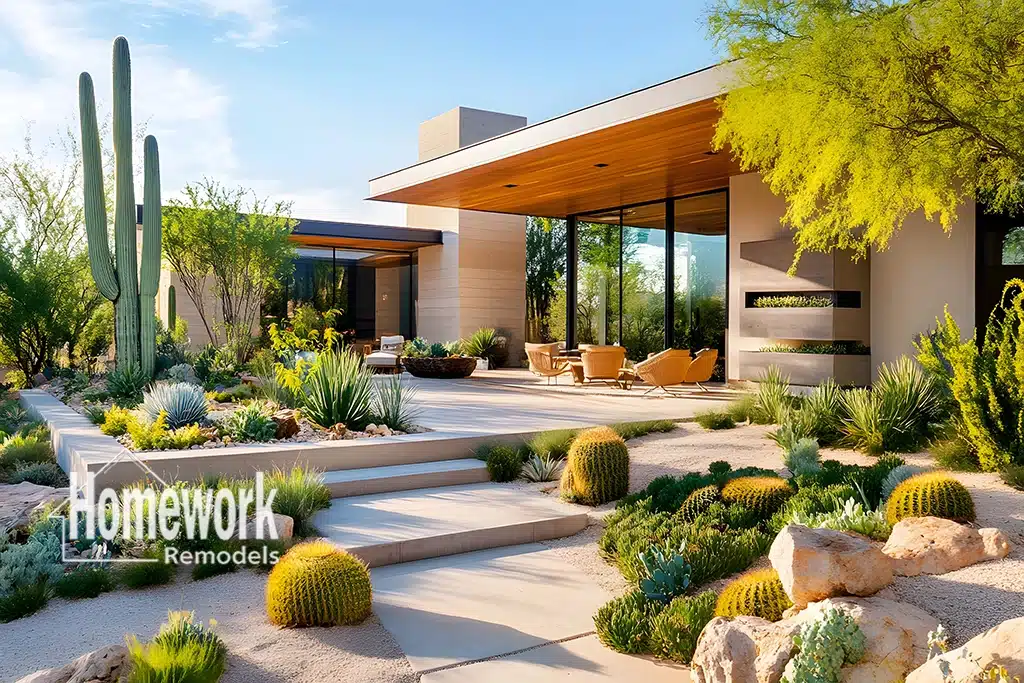
Mid-century modern homes were designed with clarity, restraint, and purpose. Clean lines, strong indoor-outdoor connections, and honest materials defined an era that still resonates today. The challenge for homeowners isn’t whether to update these homes—it’s how to modernize them without erasing what makes them special.
For homeowners exploring mid-century modern home remodeling, successful updates respect original intent while improving comfort, performance, and livability.
Start With Preservation, Not Replacement
One of the most common mistakes in mid-century remodeling is over-replacement. Original layouts, proportions, and structural systems often work better than expected—even decades later.
Thoughtful modernization begins by identifying what should be preserved:
- Post-and-beam structure
- Clerestory windows and natural light patterns
- Indoor-outdoor relationships
- Simple, functional layouts
Updating these homes works best when the original framework is honored rather than erased.
Modern Performance Is the Real Upgrade
Most mid-century homes don’t need to look radically different to live better. The biggest improvements often happen behind the scenes.
Electrical upgrades, improved insulation, modern HVAC systems, and updated plumbing dramatically improve comfort without altering architectural character. These improvements are central to mid-century ranch modernization in Phoenix, where performance upgrades are integrated invisibly.
Open Concept—With Restraint
Many mid-century homes already embrace openness, but selective wall removal can still improve flow. The key is restraint. Removing too much can flatten spatial rhythm and diminish architectural interest.
Projects involving layout changes often intersect with mid-century ranch home remodeling in Phoenix and Scottsdale, where structural clarity and proportion guide design decisions.
Opening spaces should feel like a natural evolution—not a reinvention.
Kitchens and Bathrooms Set the Tone
Kitchens and bathrooms are where modern living expectations are most evident. Updating these spaces requires balancing efficiency with visual simplicity.
Mid-century kitchen remodels favor:
- Streamlined cabinetryVVVVVVVV
- Integrated appliances
- Minimal ornamentation
- Functional lighting
Bathrooms follow similar principles, focusing on comfort and simplicity rather than excess.
Materials That Age Gracefully
Trendy finishes date quickly—especially in architecturally significant homes. Mid-century modernization favors materials that feel timeless and honest.
Natural wood, stone, terrazzo, and matte finishes complement original architecture while standing up to daily use. These choices ensure updates remain relevant for decades, not just years.
Why Design-Build Is Essential for Mid-Century Homes
Mid-century homes demand coordination between design sensitivity and construction expertise. Structural systems, mechanical upgrades, and architectural preservation intersect in ways that require careful planning.
The design-build process allows homeowners to explore modernization without losing control of cost, scope, or character. This integrated approach is a cornerstone of successful mid-century projects.
Modern Living, Timeless Character
Updating a mid-century modern home doesn’t mean stripping away its identity. When done thoughtfully, modernization enhances comfort while reinforcing what made the home special in the first place.
If you’re considering updating your home and want a process that respects architectural integrity, learning more about mid-century modern home remodeling through a design-build approach is a smart next step.