
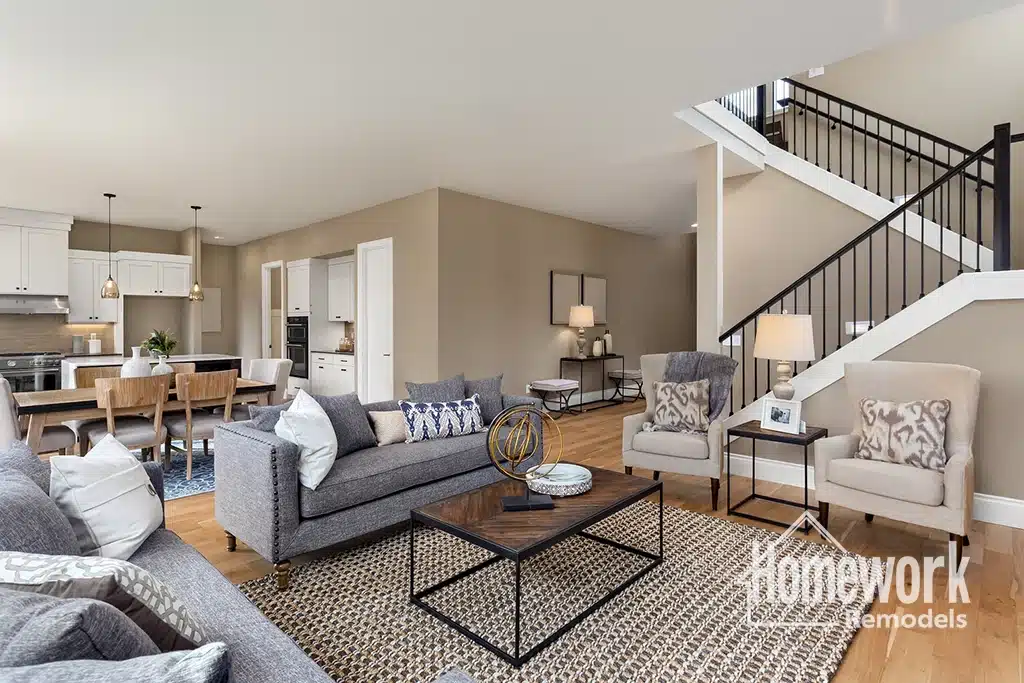
Why Open Concepts Work So Well in Scottsdale’s Climate
Open-concept design is often discussed as a stylistic preference, but in Scottsdale, its appeal goes deeper than aesthetics. The desert climate, light conditions, and indoor-outdoor lifestyle all influence how homes are experienced. When done thoughtfully, open layouts often align naturally with these conditions—supporting comfort, usability, and long-term livability.
The key is understanding why openness works here—and where its limits are.
Climate Shapes How Homes Need to Breathe
Scottsdale’s climate places unique demands on homes. Long cooling seasons, intense sunlight, and wide temperature swings between day and night all influence how spaces perform.
Traditional compartmentalized layouts can trap heat and restrict airflow. Smaller rooms often cool unevenly, forcing HVAC systems to work harder. Open layouts, when paired with proper system design, allow air to move more freely and distribute cooling more evenly across the home.
This doesn’t mean openness replaces mechanical planning—but it can support it.
The Decision Tension: Volume vs. Efficiency
Homeowners sometimes worry that open spaces increase energy use because there’s “more air to cool.” That concern is valid if layouts are opened without adjusting systems.
The reality is more nuanced. Open layouts can improve efficiency when ceiling heights, ducting, and zoning are planned together. Fewer barriers mean fewer isolated hot spots and less overcompensation by the system.
The decision isn’t about openness alone—it’s about coordinated design.
Natural Light Is Abundant—Openness Lets You Use It
Scottsdale homes benefit from abundant natural light, but walls often block it from reaching deeper into the home. Open layouts allow daylight to travel farther, reducing reliance on artificial lighting during the day.
When paired with proper shading and window orientation, openness enhances brightness without increasing glare or heat gain. This balance improves comfort while supporting energy efficiency.
In many whole-home remodeling in Scottsdale projects, opening sightlines is less about removing walls and more about unlocking light.
Indoor-Outdoor Living Depends on Visual and Physical Flow
Scottsdale’s lifestyle often extends beyond interior walls. Patios, courtyards, and outdoor living areas are integral to how homes are used.
Open layouts support this connection by aligning interior gathering spaces with outdoor zones. Kitchens, living areas, and dining spaces flow naturally toward outdoor rooms, making transitions feel intuitive.
This relationship works best when openings are placed intentionally and supported structurally—often requiring early evaluation when removing load-bearing walls safely is part of the plan.
Openness Supports Flexible Living Patterns
Desert living often means adapting to seasons. Spaces may be used differently in summer than in winter. Open layouts provide flexibility, allowing furniture arrangements and activity zones to shift without reconfiguring walls.
This adaptability supports entertaining, family gatherings, and everyday living without locking the home into a single use pattern. Over time, this flexibility becomes one of the most valued aspects of open design.
Ceiling Height and Air Movement Matter
Open concepts in Scottsdale work best when ceiling height and volume are considered carefully. Higher ceilings allow warm air to rise, improving comfort when paired with proper ventilation and ceiling fans.
Open layouts without sufficient vertical volume can feel stagnant. Conversely, well-proportioned open spaces feel calmer and more comfortable, even during peak heat.
This is why openness should always be evaluated three-dimensionally—not just in plan view.
Visual Calm in Bright Environments
Bright environments amplify visual clutter. Too many walls, transitions, and doorways can make spaces feel busy or fragmented under strong desert light.
Open layouts reduce visual noise, allowing materials, light, and proportion to do the work. When combined with restrained finishes and thoughtful detailing, openness contributes to a sense of calm that suits the desert environment.
Where Open Concepts Need Boundaries
Despite their advantages, open layouts are not universally appropriate. Noise control, privacy, and task separation still matter.
The most successful Scottsdale homes balance openness with subtle boundaries—changes in ceiling height, partial walls, or strategic transitions that preserve flow without eliminating separation entirely.
This balance is best achieved through an integrated design-build remodeling process, where climate, structure, and daily use are considered together.
Openness That Responds to Place
Open-concept design works well in Scottsdale not because it’s fashionable, but because it responds to climate, light, and lifestyle realities. When planned thoughtfully, openness supports comfort rather than undermining it.
Homes that feel right in their environment tend to age well—and remain enjoyable long after trends change.
Let’s Design Openness That Works for the Desert
If you’re considering an open-concept remodel and want to understand how openness, comfort, and energy performance intersect in Scottsdale’s climate, early planning can help clarify the right approach. To explore options tailored to your home and lifestyle, you can schedule a free consultation with our design-build team and move forward with confidence.