
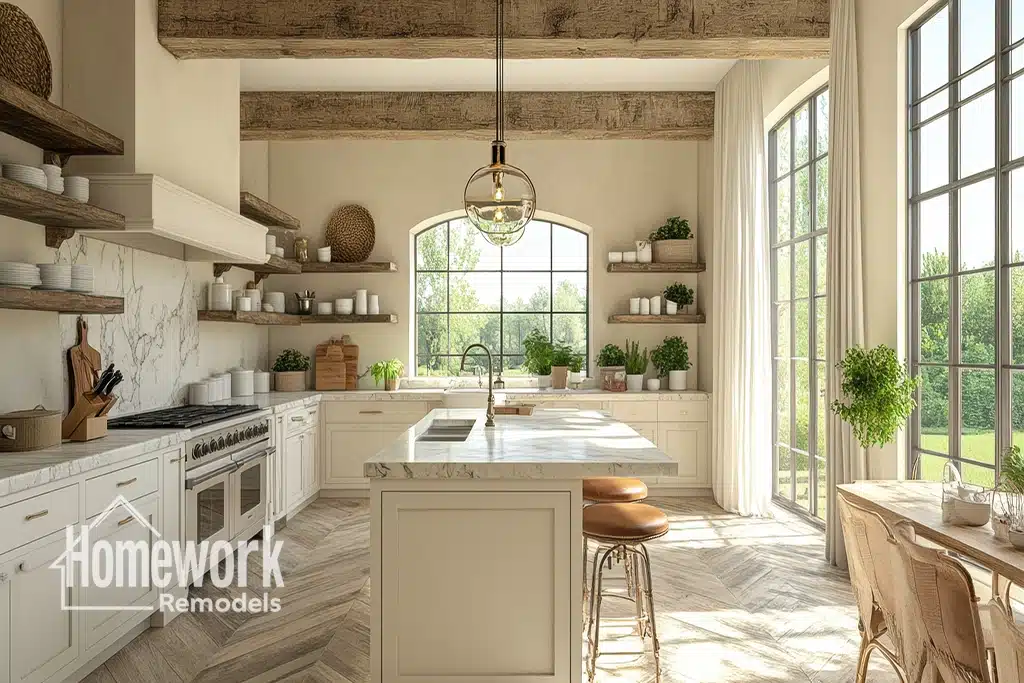
Why Lighting Design Is Critical in Kitchen Planning
Kitchen lighting problems often go unnoticed—until the kitchen is finished. Countertops look darker than expected. Glare bounces off glossy surfaces. Task areas feel shadowed at night, even though the room appears bright during the day. In many Tempe homes, these frustrations don’t come from poor fixtures, but from lighting decisions that were made too late—or not at all.
If you’re planning a kitchen remodel and want to understand why lighting design is critical in kitchen planning in Tempe, the short answer is this: lighting shapes how the kitchen works just as much as layout, cabinetry, or appliances.
Why lighting decisions can’t be an afterthought
Lighting is often one of the last elements discussed in kitchen remodeling. By that point, cabinet heights are set, islands are fixed, and ceiling conditions are locked in. This limits options and forces compromises.
In Tempe kitchens, lighting challenges are amplified by strong natural light, reflective materials, and open layouts. Without intentional planning, artificial lighting can clash with daylight, creating glare during the day and shadows at night.
Common lighting problems in remodeled kitchens
Many homeowners experience similar frustrations after a remodel:
- Shadows on countertops caused by poorly placed ceiling lights
- Glare from fixtures that reflect off stone or glossy finishes
- Insufficient task lighting at sinks, cooktops, and prep areas
- Inconsistent color temperature that makes the space feel harsh
These issues rarely stem from lack of fixtures. They result from lighting that wasn’t coordinated with layout and cabinetry.
From problem to solution to outcome
A Tempe homeowner may complete a kitchen remodel only to realize that cooking feels harder than before. The problem isn’t the quality of the remodel—it’s lighting that doesn’t support how the kitchen is used.
The solution is layered lighting planned alongside the kitchen layout. Ambient lighting provides overall illumination. Task lighting supports specific work zones. Accent lighting adds depth and warmth. When coordinated properly, the outcome is a kitchen that feels comfortable, functional, and visually balanced throughout the day.
This level of coordination is best achieved when lighting is addressed early as part of kitchen planning. Many homeowners gain clarity by understanding how experienced teams integrate lighting decisions into a broader kitchen strategy with a kitchen remodeling contractor near you in Tempe.
How natural light affects artificial lighting in Tempe kitchens
Tempe kitchens experience dramatic lighting shifts. Morning light may be directional and soft, while afternoon sun can flood the space with brightness and heat. Artificial lighting must adapt to these conditions.
Fixtures placed without regard to daylight patterns often cause glare or uneven illumination. Proper planning considers window placement, orientation, and reflective surfaces so artificial lighting complements—rather than competes with—natural light.
Task lighting where precision matters
Task lighting is essential in kitchens. Under-cabinet lighting remains one of the most effective tools for illuminating countertops without creating shadows.
In Tempe homes, where open shelving or taller cabinetry may be used, task lighting placement becomes even more important. The goal is consistent, glare-free illumination where food prep and cooking actually happen.
Ambient lighting for comfort and flow
Ambient lighting sets the overall tone of the kitchen. Recessed lighting, surface-mounted fixtures, or indirect lighting can all work when placed intentionally.
Spacing, beam angles, and dimming capability matter more than fixture count. In Tempe kitchens, ambient lighting should soften the room without overpowering it—especially in open layouts where kitchens connect to living areas.
Accent lighting adds depth without clutter
Accent lighting is often overlooked, but it plays a key role in how kitchens feel. Toe-kick lighting, interior cabinet lighting, or subtle uplighting adds visual depth and improves nighttime navigation.
These elements contribute to comfort and safety without calling attention to themselves—an important balance in refined kitchen design.
Color temperature and consistency
Lighting color temperature affects how materials look and how comfortable the space feels. Mixing temperatures can make a kitchen feel disjointed.
In Tempe kitchens, slightly warmer tones often balance intense daylight more effectively than cool lighting. Consistency across fixtures helps the kitchen feel cohesive rather than patchworked.
Lighting and open-concept kitchens
Open-concept kitchens require special attention to lighting because the kitchen is visually connected to other spaces. Lighting must transition smoothly between zones without abrupt changes.
Homeowners considering layout changes often benefit from understanding how lighting supports flow in open-concept home remodeling in Tempe.
Planning lighting with cabinetry and ceiling conditions
Cabinet heights, ceiling features, and architectural details all influence lighting options. Tall cabinetry may limit recessed placement. Decorative ceilings may require alternative solutions.
This is why lighting works best when planned alongside cabinetry and structural decisions—not after them.
Seeing lighting as part of the whole kitchen experience
Lighting affects mood, comfort, safety, and usability. It influences how materials look, how tasks feel, and how welcoming the space becomes.
For homeowners evaluating multiple upgrades, viewing lighting within the broader context of home planning can reveal better solutions. The Tempe home remodeling hub offers perspective on how lighting integrates into comprehensive remodeling strategies.
A clearer path forward
Thoughtful lighting design transforms kitchens from visually appealing spaces into truly functional ones. When planned early and coordinated carefully, lighting supports every other design decision rather than working against them.
If you’re planning a kitchen remodel in Tempe and want to avoid lighting regrets, a calm planning conversation can help clarify options before decisions are finalized. You can begin that process through a free remodeling consultation, designed to support informed decisions without pressure.