
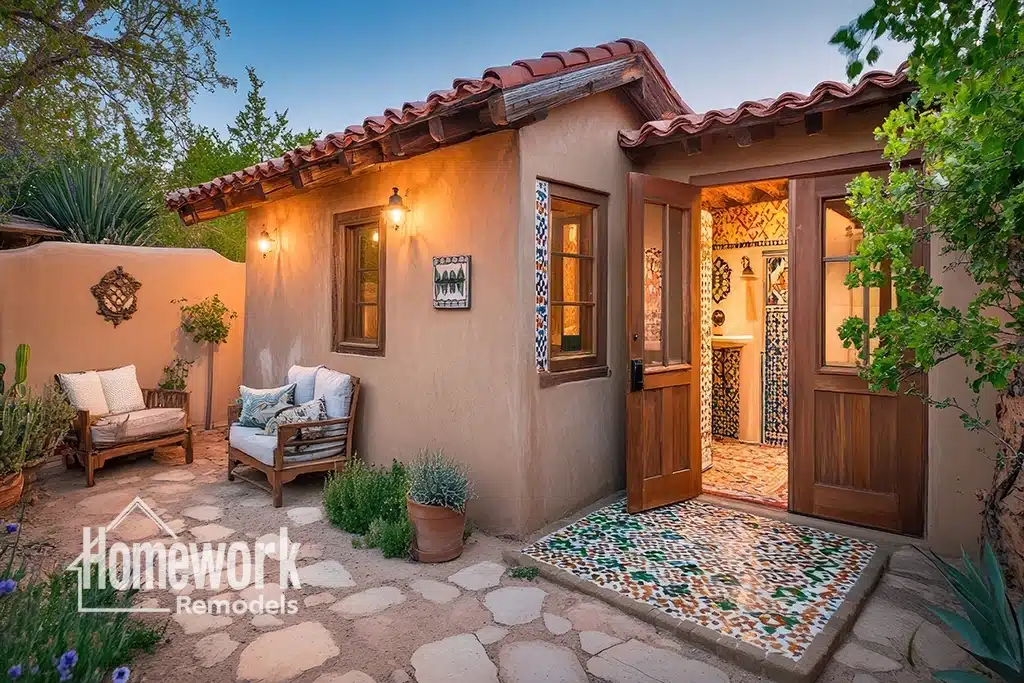
Modern Architecture Meets Function in ADU Design
Introduction: Why Modern ADU Design Matters
Accessory dwelling units have become an important part of how Tempe homeowners adapt their properties for changing lifestyles. But as ADUs become more common, expectations have shifted. Homeowners are no longer satisfied with purely utilitarian backyard structures. They want spaces that feel intentional, comfortable, and architecturally relevant. Modern ADU design answers that demand by blending clean aesthetics with thoughtful functionality. When done well, modern design doesn’t just look good—it supports daily living, enhances efficiency, and increases long-term value.
Clean Lines, Open Layouts, and Efficient Use of Space
Modern architecture is often associated with simplicity, but in ADU design, that simplicity is purposeful. Clean lines reduce visual clutter and make compact spaces feel larger. Open layouts eliminate unnecessary partitions, allowing living, dining, and kitchen areas to flow together. This approach maximizes usable square footage and improves flexibility. Built-in storage, multi-functional furniture zones, and carefully planned circulation ensure that every square foot works hard. In smaller structures like ADUs, efficiency is not optional—it is the foundation of comfort.
Blending Modern Architecture with Existing Homes
One concern homeowners often have is whether a modern ADU will clash with the main house. Successful design addresses this by balancing contrast and cohesion. A modern ADU doesn’t need to replicate the primary home’s style, but it should relate to it through scale, proportion, and material choices. Subtle alignment of rooflines, window rhythms, or exterior finishes creates visual harmony. When modern design is thoughtfully integrated, it feels like a deliberate enhancement rather than an architectural outlier.
Materials, Finishes, and Durability in Desert Climates
Modern ADU design prioritizes materials that perform well in Tempe’s desert environment. Durable finishes resist heat, UV exposure, and temperature swings while maintaining a refined appearance. Metal roofing, high-performance stucco, concrete floors, and engineered wood products are often selected for their longevity and low maintenance. Interior finishes tend to be restrained, allowing textures and natural light to take center stage. This material discipline supports both aesthetics and long-term performance, ensuring the ADU ages gracefully.
Function-Driven Layouts for Everyday Living
A modern ADU must function as a complete living environment, not just an accessory space. Layout decisions are driven by how occupants will actually use the space. Kitchens are compact but fully equipped, bathrooms are efficient without feeling cramped, and sleeping areas maintain privacy without isolating the occupant. Storage is integrated into walls and millwork rather than added as an afterthought. These function-driven layouts ensure that the ADU supports daily routines comfortably, whether used as a guest suite, rental unit, or long-term residence.
Natural Light, Indoor-Outdoor Flow, and Visual Connection
Natural light is a defining feature of modern architecture, and it plays a critical role in ADU design. Strategically placed windows, clerestories, and sliding doors bring daylight deep into the space while maintaining privacy. Visual connections to outdoor areas expand the perceived size of the ADU and enhance livability. When indoor spaces open directly to patios or courtyards, the ADU feels larger and more connected to its surroundings. This indoor-outdoor relationship is especially valuable in Tempe, where outdoor living is part of daily life.
How Design-Build Aligns Aesthetics and Performance
Modern ADUs require careful coordination between design intent and construction execution. A collaborative design-build remodeling process ensures that architectural vision, structural requirements, and performance goals are aligned from the start. Designers and builders work together to resolve details before construction begins, reducing compromises and unexpected changes. This integration allows modern aesthetics to be fully realized without sacrificing durability, efficiency, or code compliance.
Modern ADU and Casita Services in Tempe
Homeowners exploring contemporary backyard living often combine architectural design with broader property improvements. Projects may include Tempe casitas & ADU additions that prioritize flexibility and modern form. These additions frequently align with comprehensive Tempe home remodeling services to ensure consistent quality and visual cohesion across the entire property. Coordinated planning helps modern ADUs feel intentional and well-integrated.
Conclusion: Style That Supports Daily Life
Modern architecture in ADU design is not about trends—it’s about creating spaces that work better. Clean lines, efficient layouts, durable materials, and strong indoor-outdoor connections come together to support everyday living. When modern design is guided by function, the result is an ADU that feels comfortable, adaptable, and enduring. For Tempe homeowners, this balance of style and practicality is what transforms a backyard structure into a valuable living space.
A Note for Homeowners…
Many of the questions raised in this article—around planning, cost, timing, and long-term outcomes—are part of a broader remodeling system that most homeowners aren’t shown upfront.
Our Core Guides were created to explain why remodeling often feels unpredictable and what actually brings clarity and stability before construction begins.
Let’s Design a Modern ADU That Works for You
Schedule your free consultation to design a modern ADU that balances architecture, function, and comfort for your Tempe home.