
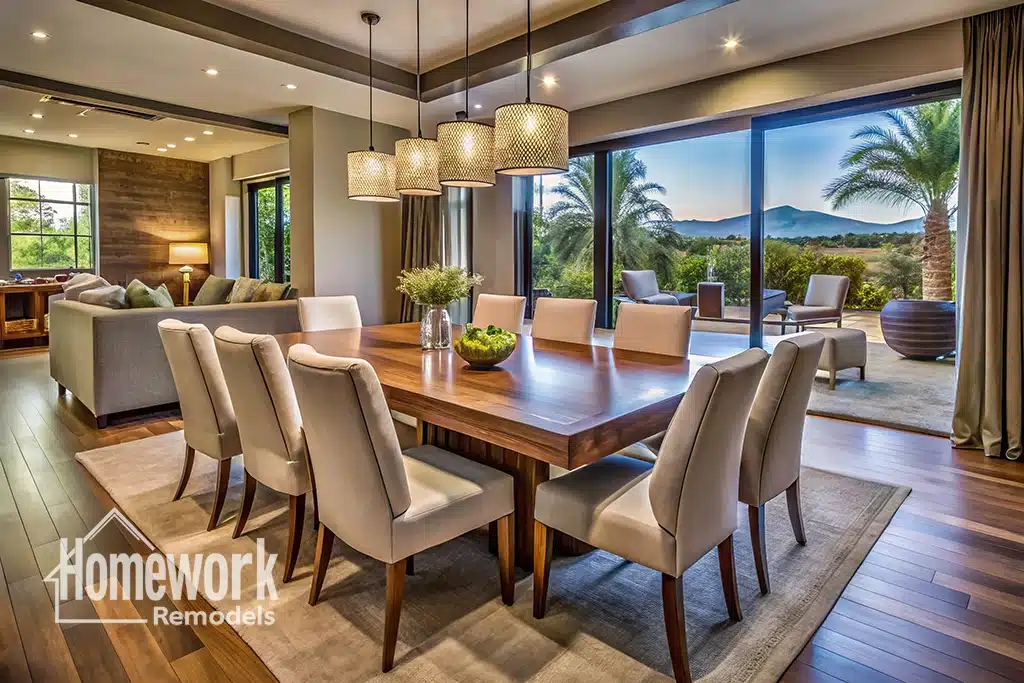
Biltmore Dining Rooms: Making Formal Spaces Relevant Beyond the Holidays
In many Biltmore homes, the formal dining room exists in a kind of suspended animation. It’s beautifully proportioned, thoughtfully finished, and impeccably maintained—yet used only a handful of times each year. Holidays, special dinners, and occasional entertaining keep the room relevant just often enough to justify its existence, but not often enough to feel integrated into daily life.
Homeowners sense the imbalance. The question is not whether the dining room is attractive, but whether it still earns its square footage.
Why Formal Dining Rooms Fell Out of Daily Use
Biltmore homes reflect an era when formal entertaining was a regular part of life. Separate dining rooms provided structure, ceremony, and a clear division between everyday living and hosted events.
Today’s lifestyles are more fluid. Casual meals, open kitchens, and flexible gathering spaces dominate daily routines. Formal dining rooms, by contrast, can feel disconnected from how families actually live.
The core decision tension is formal hosting tradition versus everyday relevance.
Why Removing the Dining Room Often Goes Too Far
Faced with an underused space, some homeowners consider removing the dining room entirely—opening it to the kitchen or absorbing it into a larger great room. While this can increase openness, it often diminishes the architectural balance of the home.
In Biltmore properties, dining rooms frequently anchor symmetry and front-of-house organization. Removing them can make the home feel lopsided or overly casual.
Reprogramming Preserves Elegance While Adding Use
Rather than eliminating the dining room, many homeowners succeed by reprogramming it. These rooms can become libraries, flexible lounges, music rooms, or hybrid dining and gathering spaces.
Maintaining the room’s formal bones while changing its purpose allows it to remain elegant and relevant.
Furniture Scale Determines Invitation
Oversized dining tables and rigid seating layouts often discourage casual use. Reducing table size, introducing comfortable seating, or creating multiple furniture zones softens formality.
Furniture choices can quietly redefine how a room is used without altering walls.
Lighting Sets the Tone for Daily Use
Formal dining rooms often rely on a single chandelier, creating an “on or off” atmosphere. Layered lighting—ambient, accent, and task—invites more frequent use.
Improved lighting alone can shift a room from ceremonial to comfortable.
Connection to Adjacent Spaces Matters
Dining rooms that feel isolated are easier to ignore. Improving visual or physical connection to kitchens, living rooms, or outdoor areas encourages more spontaneous use.
This doesn’t require removing walls—strategic openings or alignment changes often suffice.
Storage Helps Define Purpose
Rooms without storage struggle to evolve. Built-in cabinetry, concealed storage, or display shelving can support new uses while maintaining a refined appearance.
Purpose follows practicality.
Acoustic Comfort Encourages Occupancy
Hard surfaces and high ceilings can make dining rooms feel echo-prone and cold. Introducing softer materials improves comfort and invites longer stays.
Comfort transforms perception.
Cost Control Favors Adaptation Over Demolition
Reprogramming dining rooms typically costs less than structural reconfiguration. By working within existing boundaries, homeowners preserve value while gaining function.
Understanding how whole-home remodeling in Phoenix evaluates adaptation strategies helps homeowners make informed decisions.
Whole-Home Balance Prevents Overcorrection
Dining rooms interact with kitchens, entries, and living spaces. Changes should enhance—not disrupt—this balance.
When reprogrammed thoughtfully, dining rooms complement modern living rather than compete with it.
Why Design-Build Is Ideal for Subtle Transitions
Design-build remodeling allows homeowners to explore multiple functional identities for dining rooms—formal, flexible, or hybrid—before committing.
In Biltmore homes, this exploration ensures changes feel intentional rather than reactive.
Learning how the design-build remodeling process works supports confident reprogramming decisions.
The Core Decision Tension: Preserve Tradition or Embrace Change
In Biltmore homes, the most successful dining room transformations respect tradition while embracing modern life.
When formality is softened—not erased—dining rooms become spaces homeowners enjoy year-round, not just on holidays.
Let’s Reimagine Your Dining Room for Everyday Living
If your Biltmore dining room feels underused, thoughtful reprogramming can restore its relevance without sacrificing elegance. With neighborhood-specific experience and a design-build approach, the path forward becomes clear.
We invite you to schedule a free remodeling consultation to explore dining room strategies tailored to your home.