
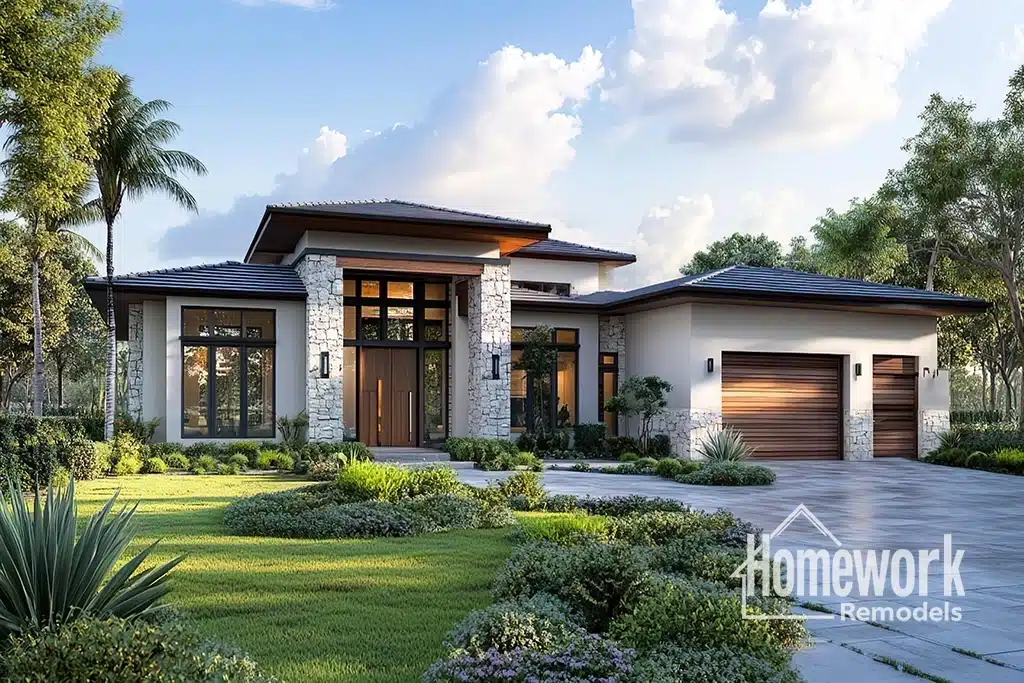
Remodeling Mid-Century Homes While Preserving Style
Mid-century homes occupy a special place in Tempe’s neighborhoods. Their clean lines, thoughtful proportions, and strong indoor-outdoor relationships continue to attract homeowners decades after they were built. Yet many of these homes struggle to meet modern expectations for comfort, efficiency, and flexibility. In Tempe, remodeling mid-century homes successfully requires a careful balance—improving performance without erasing the design principles that made these homes desirable in the first place.
Preserving style does not mean avoiding change. It means understanding what truly defines mid-century design and allowing those elements to guide modernization decisions.
What Defines Mid-Century Character
Mid-century style is often simplified into surface features, but its real identity runs deeper.
Core characteristics include:
- Horizontal emphasis and low rooflines
- Strong connection to the outdoors
- Open but intentional spatial planning
- Honest use of materials
- Emphasis on light and proportion
Preserving style means protecting these fundamentals, even as layouts and systems evolve.
Why Mid-Century Homes Often Feel Outdated
Many mid-century homes were designed for lifestyles that no longer reflect how families live today.
Common challenges include:
- Limited kitchen size and separation
- Aging electrical and mechanical systems
- Minimal storage
- Inefficient glazing by modern standards
These issues affect comfort, not character.
Modernization Should Start With Performance
Successful mid-century remodels prioritize performance improvements first.
Upgrades often include:
- Improved insulation and air sealing
- Updated HVAC systems
- Electrical capacity increases
- Improved window performance
These changes dramatically improve comfort while remaining visually unobtrusive.
Layout Changes Must Respect Original Intent
Mid-century layouts often balance openness with definition.
Rather than removing all walls, effective remodels:
- Clarify circulation paths
- Improve kitchen adjacency
- Enhance sightlines without eliminating structure
Structural changes—sometimes including removing load-bearing walls safely in Tempe homes—should support the original logic of the home rather than overwrite it.
Kitchens Should Feel Integrated, Not Dominant
In many mid-century homes, kitchens were modest and efficient.
Modernizing kitchens successfully often means:
- Improving functionality without oversizing
- Maintaining visual connection to living areas
- Using materials that complement original finishes
The kitchen should feel like part of the home—not a stylistic interruption.
Windows and Doors Deserve Special Attention
Glazing plays a major role in mid-century design.
Replacing windows should:
- Preserve original proportions
- Improve thermal performance
- Maintain visual rhythm
Large modern replacements that ignore original geometry can quickly undermine character.
Materials Should Reference the Era Without Imitation
Preserving style does not require replicating the past exactly.
Successful projects often use:
- Contemporary materials in restrained forms
- Neutral palettes that support architectural lines
- Finishes that age gracefully
This approach respects the spirit of mid-century design while avoiding pastiche.
Storage Must Be Added Thoughtfully
Mid-century homes often lack adequate storage.
Rather than adding bulky closets, remodels may:
- Integrate built-ins
- Use furniture-scale storage
- Reclaim underutilized space
Storage solutions should feel intentional and integrated.
Indoor-Outdoor Flow Remains Central
Mid-century homes excel at connecting inside and out.
Modernizing that connection often involves:
- Improving access to outdoor spaces
- Enhancing shading and comfort
- Aligning interior layout with exterior use
These upgrades reinforce—not replace—the home’s original strengths.
Understanding how mid-century remodels fit within the broader Tempe home remodeling context helps homeowners prioritize changes that preserve long-term value.
Whole-Home Planning Protects Style
Mid-century homes suffer when changes are piecemeal.
A coordinated whole-home remodeling strategy in Tempe ensures that layout, systems, and finishes work together—maintaining stylistic cohesion throughout the home.
Design-Build Keeps Modernization Honest
Preserving style requires discipline.
The design-build remodeling process aligns design intent with structural realities and budget constraints—preventing compromises that erode architectural integrity.
Preservation Is About Understanding, Not Avoidance
The best mid-century remodels don’t freeze homes in time.
They improve how homes live today while honoring the ideas that shaped them. When modernization is guided by respect rather than replacement, mid-century homes continue to feel relevant, comfortable, and timeless.
Let’s Modernize Without Losing the Mid-Century Spirit
If you’re considering remodeling a mid-century home in Tempe and want to preserve its defining style while improving comfort and performance, thoughtful planning is essential. You can schedule a free consultation with our design-build team to explore options with clarity and confidence.