
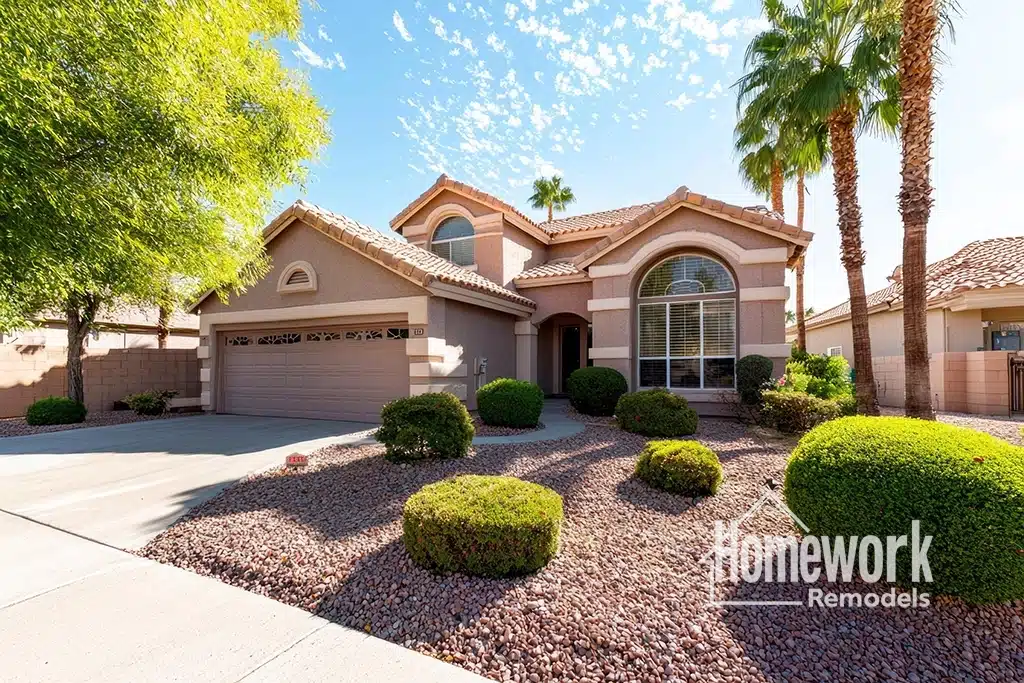
Design Inspiration from Tempe’s Architectural Heritage
Tempe’s neighborhoods tell a layered architectural story. From early adobe and ranch homes to mid-century modern neighborhoods and later infill, each era reflects the priorities, materials, and climate strategies of its time. For homeowners planning a remodel today, this heritage isn’t just background—it’s a design resource.
Drawing inspiration from Tempe’s architectural history helps remodels feel grounded rather than trend-driven. The goal isn’t replication. It’s interpretation—using proven ideas to inform modern living in a way that feels natural to place.
Architectural Heritage Is About Patterns, Not Styles
When people think of architectural heritage, they often focus on visual styles. But the most valuable lessons are found in patterns—how homes are oriented, how spaces connect, and how materials are used.
Older Tempe homes were designed to respond to heat, light, and lifestyle. Thick walls, shaded openings, courtyards, and horizontal massing weren’t aesthetic choices alone—they were functional responses.
These patterns still matter, even as materials and technology evolve.
The Core Decision: Trend Adoption vs. Contextual Design
Homeowners often face a defining choice: Do we follow current design trends, or do we let the home’s context guide decisions?
Trends can be inspiring, but when applied without context they often feel temporary. Designs rooted in local architectural logic tend to feel timeless—even when updated with modern materials and systems.
The strongest remodels blend inspiration with restraint.
Proportion Is a Legacy Worth Preserving
Many older Tempe homes feel comfortable because their proportions are balanced. Room sizes, ceiling heights, and window relationships work together intuitively.
Remodels that respect these proportions often feel more successful than those that chase dramatic scale changes. Enlarging spaces without considering proportion can undermine the sense of ease that originally defined the home.
Design inspiration drawn from heritage often leads to more measured—and more livable—outcomes.
Material Honesty Endures
Historic and mid-century Tempe homes often relied on a limited palette of materials used honestly. Stucco looked like stucco. Wood showed its grain. Masonry expressed weight.
Modern remodels that draw from this approach—choosing fewer materials and letting them perform naturally—tend to age better than those that layer finishes excessively.
Material honesty creates visual calm.
Courtyards and Outdoor Rooms Still Matter
One of the most enduring features of Tempe’s architectural heritage is the integration of outdoor space. Courtyards, patios, and shaded transitions were central to daily life.
Modern remodels that reintroduce or reinterpret these elements often feel more connected and comfortable. Outdoor rooms don’t need to be large—they need to be purposeful.
This approach reinforces indoor-outdoor flow without sacrificing privacy.
Light Was Always Managed Carefully
Older homes in Tempe managed light deliberately. Openings were sized and placed to admit daylight without overwhelming interiors.
Modern remodels can learn from this restraint. Rather than maximizing glass everywhere, thoughtful placement and shading often deliver better comfort.
Light that’s shaped feels better than light that’s unchecked.
Heritage Encourages Simplicity
Architectural heritage often favors simplicity over excess. Details were purposeful, not decorative.
When remodels embrace this mindset, design decisions become clearer. Eliminating unnecessary elements allows important features to stand out.
Simplicity doesn’t mean austerity—it means intention.
Interpreting the Past, Not Copying It
Successful heritage-inspired remodels avoid mimicry. Copying historic details without understanding their role can feel forced.
Instead, inspiration should guide decisions about scale, rhythm, and material—not dictate exact forms. Modern living benefits from modern solutions, informed by historical wisdom.
This balance keeps homes relevant.
Heritage as a Planning Framework
Using architectural heritage as a framework helps homeowners evaluate choices. Does this change align with how the home was meant to function? Does it respect the neighborhood’s rhythm?
These questions lead to better decisions—and fewer regrets.
For homeowners exploring how historic patterns translate into modern living, grounding ideas in the broader context of home remodeling in Tempe, AZ can help connect inspiration with practical planning.
Homes That Feel Rooted Age Better
Remodels inspired by local heritage tend to feel rooted rather than fashionable. They age with dignity, maintaining relevance as trends shift.
In Tempe, where neighborhoods value continuity, this approach supports both enjoyment and long-term value.
Design Inspiration That Endures
Tempe’s architectural heritage isn’t a constraint—it’s a guide. It offers tested solutions to climate, lifestyle, and proportion that remain relevant today.
By interpreting these ideas thoughtfully, homeowners can create remodels that feel modern, comfortable, and unmistakably connected to place.
Let’s Plan Your Remodel with Clarity
If you’re considering a remodel inspired by Tempe’s architectural heritage, the most valuable first step is a clear, pressure-free conversation. Understanding how historic patterns, neighborhood context, and modern needs intersect before design begins helps ensure decisions feel confident—not rushed.
If you’d like to explore your options, you can schedule a free remodeling consultation with our design-build team. We’ll help you evaluate possibilities, constraints, and next steps so you can move forward with clarity.