
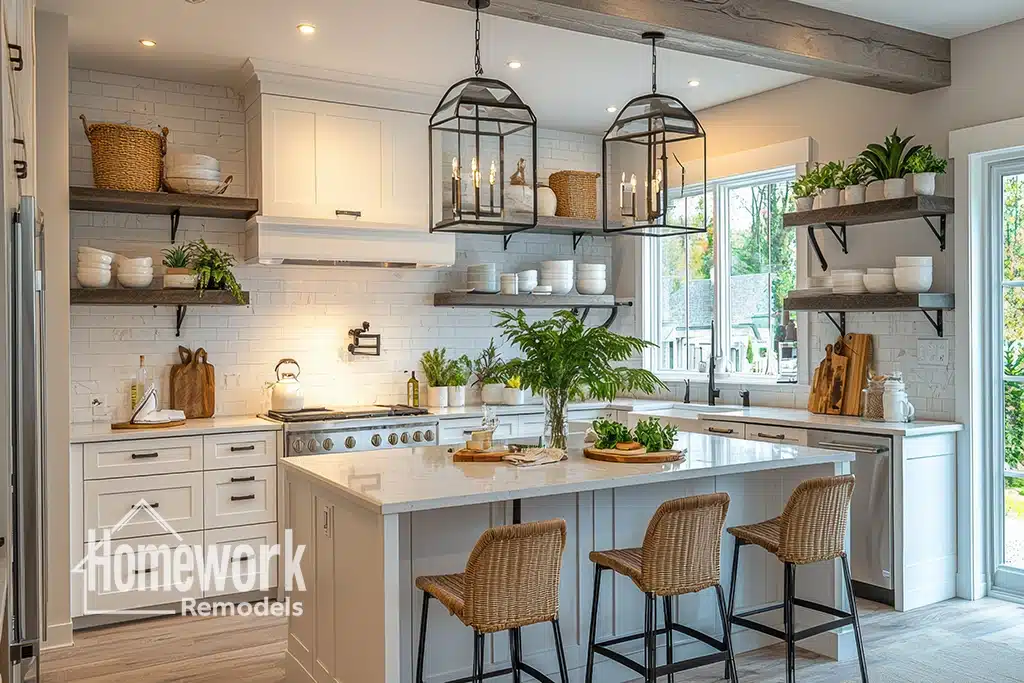
“Smart kitchen” is a popular phrase, but its meaning has become blurred. For many homeowners, it conjures images of screens, apps, and automated features layered on top of an already complex space. In Scottsdale, where kitchens serve as both daily workspaces and social hubs, smart technology succeeds only when it simplifies routines rather than adds friction.
The most effective smart kitchens are not defined by the number of connected devices. They are defined by how quietly technology supports cooking, cleaning, entertaining, and maintenance—especially in a desert climate with unique demands.
When “Smart” Becomes a Burden
Technology promises convenience, but poorly chosen systems can introduce new problems: updates that fail, interfaces that confuse, and features that are rarely used.
Common pitfalls include:
- Over-reliance on app-only controls
- Systems that require constant maintenance
- Features that don’t integrate with daily habits
Smart kitchens should reduce cognitive load, not increase it.
Start With Daily Behavior, Not Gadgets
The smartest kitchens begin with an honest assessment of how the space is used.
Questions that guide good decisions include:
- Who uses the kitchen most—and how?
- Are mornings rushed or relaxed?
- Is entertaining frequent or occasional?
Technology should respond to these patterns. A kitchen designed around real behavior will outperform one designed around features.
Climate Shapes Smart Kitchen Priorities
Arizona’s climate changes the calculus. Heat, dust, and energy demand all affect which technologies are truly helpful.
Smart features that tend to perform well in Scottsdale kitchens include:
- Energy-monitoring appliances that optimize usage
- Ventilation controls that respond to heat and humidity
- Lighting systems that adapt to intense daylight
Technologies that ignore climate realities often underperform or fail early.
Smart Appliances That Earn Their Place
Not every appliance benefits from connectivity. The most successful smart appliances provide clear, ongoing value without requiring constant interaction.
Examples include:
- Refrigerators that manage temperature stability during heat spikes
- Ovens with reliable, simple presets rather than complex interfaces
- Dishwashers that optimize water and energy use automatically
When appliances “just work,” they feel smart without drawing attention to themselves.
Lighting Automation That Adapts Naturally
Lighting is one of the most effective places to introduce smart control—when done thoughtfully.
Automated lighting scenes can adjust brightness and warmth throughout the day, responding to changing daylight conditions common in Scottsdale homes. The key is subtlety. Lights should transition smoothly without requiring manual input.
Lighting that adapts invisibly enhances comfort without feeling intrusive.
Ventilation and Air Quality Control
Ventilation is often overlooked in kitchen technology discussions, yet it plays a major role in comfort.
Smart ventilation systems can:
- Adjust fan speeds automatically during cooking
- Balance airflow to reduce heat buildup
- Integrate with HVAC systems for efficiency
In desert environments, where indoor comfort is closely tied to air management, these systems provide tangible benefits.
Touchless Features That Make Sense
Touchless faucets and hands-free controls gained popularity for good reason. In kitchens, they reduce mess and improve hygiene.
The most successful implementations are intuitive—responding quickly and consistently. Overly sensitive systems that activate unintentionally can be frustrating.
When touchless features are reliable, they quickly become indispensable.
Storage and Organization Technology
Smart kitchens are not only about electronics. Mechanical innovations—such as motorized lifts or automated pantry systems—can improve accessibility and storage efficiency.
These features are particularly valuable in kitchens with limited square footage or complex layouts. They work best when planned early rather than retrofitted.
Storage solutions that reduce reaching and bending support long-term comfort.
Integration Beats Isolation
Disconnected smart devices create fragmented experiences. Integration is what makes technology feel cohesive.
A well-integrated kitchen might allow lighting, ventilation, and appliances to respond together—without requiring the homeowner to manage each system individually.
This level of coordination is difficult to achieve without planning. It’s one reason smart kitchens benefit from being designed as part of a broader kitchen remodeling in Scottsdale effort rather than added piecemeal.
Controls That Don’t Demand Attention
Control interfaces matter. Kitchens that rely on multiple screens or apps often frustrate users.
Physical controls with smart back-end functionality tend to perform better. Simple switches, dials, and presets reduce learning curves and increase reliability.
Technology should stay in the background.
Future-Proofing Without Overbuilding
Technology changes quickly. Hardwiring today’s features too rigidly can create obsolescence.
Future-ready kitchens focus on:
- Adequate electrical capacity
- Flexible wiring paths
- Modular systems that can be updated
This approach allows kitchens to evolve without major disruption.
Privacy and Security Considerations
Connected devices raise questions about data and privacy. Homeowners should understand what information is collected and how it’s used.
Choosing reputable manufacturers and limiting unnecessary connectivity reduces risk. Not every device needs to be online to be effective.
Security is part of livability.
Smart Kitchens and Entertaining
During gatherings, technology should support flow—not interrupt it.
Lighting scenes, quiet ventilation, and efficient appliances make entertaining easier without drawing attention away from guests. Kitchens that require constant adjustment or troubleshooting undermine the experience.
Smart kitchens shine when hosting feels effortless.
Planning Determines Success
The difference between a smart kitchen that works and one that frustrates often comes down to planning.
A coordinated design-build remodeling process allows technology decisions to align with layout, systems, and lifestyle. This integration prevents conflicts and ensures technology serves the space rather than complicates it.
Smart Means Thoughtful
The smartest kitchens are not the most complex. They are the most considered.
When technology responds quietly to daily needs—adapting to climate, habits, and long-term use—it becomes a natural extension of the home.
That is modern living done right.
Let’s Plan a Smart Kitchen That Actually Simplifies Life
If you’re considering a kitchen remodel and want technology that supports comfort and efficiency without adding complexity, early planning makes all the difference. You can schedule a free consultation with our design-build team to explore smart kitchen strategies tailored to your Scottsdale home.