
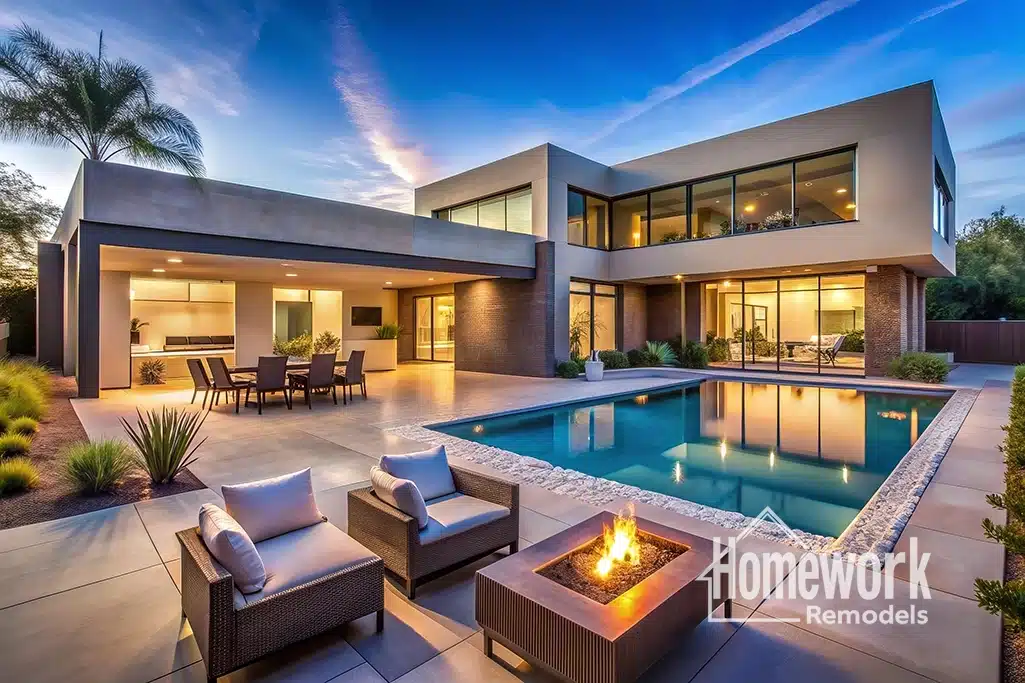
How to Mix Metals and Materials Tastefully
One of the most significant shifts in modern interior design is the move away from perfectly matched finishes. Today’s most sophisticated homes often combine multiple materials and metal finishes to create spaces that feel layered, personalized, and visually interesting. Whether renovating a mid-century ranch near Arizona State University, updating a family home in Broadmor, or modernizing a property near Tempe Town Lake, homeowners are increasingly embracing thoughtful material combinations that add character without sacrificing cohesion.
The key is not simply mixing finishes for the sake of variety. Successful design relies on intentional combinations that complement the home’s architecture, natural lighting, and overall aesthetic direction.
Why Perfect Matching Is No Longer the Goal
For many years, homeowners were encouraged to match every finish throughout the home. Cabinet hardware, plumbing fixtures, lighting, and accessories often featured identical materials and colors.
Today’s design trends favor a more curated approach that feels collected over time rather than purchased as a complete set.
Popular combinations include:
- brushed brass and matte black
- polished nickel and natural wood
- bronze and stone
- stainless steel and warm metals
- matte finishes and organic materials
- glass and textured surfaces
Many homeowners begin exploring design possibilities through the Homework Remodels Resources Page, which provides guidance on creating cohesive remodeling plans that balance aesthetics with functionality.
When executed thoughtfully, mixed materials create depth and visual sophistication throughout the home.
Start With a Dominant Finish
One of the easiest ways to successfully mix metals is to establish a primary finish that serves as the foundation for the overall design.
The dominant finish often appears on:
- plumbing fixtures
- cabinetry hardware
- major lighting elements
- appliance accents
- door hardware
Once a primary finish is selected, complementary materials can be layered throughout the space.
A well-coordinated Design-Build Remodeling process helps homeowners evaluate finish selections alongside flooring, cabinetry, countertops, and architectural details to ensure everything works together harmoniously.
Rather than treating materials as isolated decisions, successful projects consider how every finish contributes to the larger design story.
Consider the Architecture of the Home
Material selections should support the home’s architectural character rather than compete with it.
Respecting Existing Architectural Features
Many Tempe homes contain architectural details that naturally influence finish selections. Mid-century ranch homes, for example, often pair beautifully with warm woods, matte metals, and natural stone accents.
Homeowners creating more connected living spaces through Removing Load-Bearing Walls frequently discover opportunities to carry material selections across multiple rooms for greater visual continuity.
The Open Concept Remodeling Guide explains how structural planning and design coordination work together to create balanced and cohesive interiors.
For larger transformations, Whole Home Remodeling allows homeowners to establish a consistent material palette throughout the home rather than making isolated room-by-room decisions.
Architecture often provides the best roadmap for selecting appropriate materials and finishes.
Service Page Power Links Section
Building Material Consistency Across Multiple Spaces
One of the most common challenges homeowners face is maintaining consistency when multiple rooms are remodeled over time. Coordinating materials early helps create a more unified appearance throughout the home.
Through Whole Home Remodeling, homeowners can develop comprehensive design strategies that connect kitchens, living areas, bathrooms, and gathering spaces through shared materials and finishes.
Similarly, many projects incorporate Kitchen Remodeling because kitchens frequently serve as central visual anchors that influence material choices throughout adjacent rooms.
Creating intentional continuity often produces more timeless and sophisticated design outcomes.
Balance Warm and Cool Elements
One of the most effective techniques for mixing metals and materials is balancing warm and cool tones throughout a space.
Examples include:
- warm wood with cool stone
- brass accents with gray cabinetry
- matte black with natural oak
- polished nickel with textured tile
- bronze fixtures with light quartz surfaces
This balance helps create interiors that feel dynamic without becoming visually overwhelming.
The article on Remodeling Older Homes Without Losing Character highlights the importance of respecting architectural authenticity while introducing contemporary design elements.
Thoughtful contrast often creates more interesting interiors than perfectly uniform material selections.
Design Insight from a Design-Build Remodeler
The most successful material palettes rarely rely on a single finish or surface. Instead, they create visual balance through carefully selected combinations that complement both the architecture and the homeowner’s lifestyle. In Tempe homes, warm woods, natural stone, and mixed metal finishes often work exceptionally well because they reflect the colors and textures found throughout the Arizona landscape.
Use Texture to Connect Different Materials
Texture can play a significant role in helping diverse materials feel cohesive. Even when finishes vary, consistent texture can create visual harmony.
Popular textural elements include:
- brushed metal finishes
- hand-crafted tile
- natural wood grain
- textured stone
- woven fabrics
- matte surfaces
The article on How Remodeling Decisions Create or Destroy Peace of Mind explores how thoughtful design decisions contribute to long-term homeowner satisfaction.
For additional inspiration, homeowners often explore the Whole Home Remodeling Ideas page to see how materials and finishes are integrated throughout complete remodeling transformations.
Texture often serves as the element that ties multiple materials together into one cohesive design.
Closing Thoughts
Mixing metals and materials successfully requires intentionality, balance, and a clear understanding of the home’s overall design direction. Rather than focusing on perfect matching, today’s most sophisticated interiors embrace layered finishes that create warmth, character, and visual depth.
Whether updating a mid-century ranch near ASU or transforming a contemporary family residence, homeowners who thoughtfully coordinate materials often achieve more personalized and timeless results.
By combining architectural awareness, balanced contrasts, and carefully selected finishes, Tempe homeowners can create interiors that feel cohesive, inviting, and uniquely suited to modern Arizona living.
Homework Remodels is a Phoenix-based design-build remodeling company serving Tempe, Arcadia, Paradise Valley, Biltmore, and surrounding communities throughout the Valley. Our team specializes in thoughtful renovations, home additions, structural remodeling, and personalized design solutions that respect the character of established Arizona neighborhoods.